9 min read
Disclosure: As an Amazon Associate and eBay Partner Network publisher, we earn from qualifying purchases. This doesn’t affect what we recommend or how we describe it.
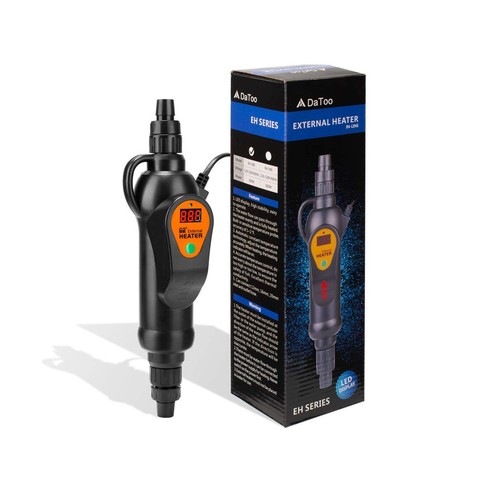
Messy heater cords, inconsistent tank temperatures, and unsightly glass tubes ruin the look and function of many planted aquariums. Inline aquarium heaters promise a hidden, reliable solution—heating your water out-of-sight in the filter return line. But with so many models boasting different wattages, safety features, and compatibility quirks, it’s easy to buy the wrong heater for your setup. This in-depth review cuts through the confusion, comparing the specs, build quality, and real-world usability of the leading inline heater options for home aquascaping and planted tanks. For more detail, see Heater placement and temperature consistency.
Who Needs an Inline Aquarium Heater?
Inline heaters aren’t for everyone. Most readers searching for inline aquarium heater reviews are intermediate to advanced hobbyists—people who’ve outgrown glass heaters inside the tank and want a cleaner look, consistent temperatures, and more reliable performance. You likely have an external canister filter or plan to install one, and you want to optimize your aquascape without hardware clutter. For planted tanks especially, stable water temperature is key for plant health and algae control.
Beginners may find inline heaters intimidating, but with the right information, anyone can install one safely. The main questions you’re probably asking:
- Which heater size and wattage match my tank and filter setup?
- Will it fit my filter hoses (12/16mm, 16/22mm, etc.)?
- Is installation straightforward and leak-proof?
- How accurate and reliable is the thermostat?
- Are there safety shut-offs for dry running or overheating?
- How does it affect water flow and filter performance?
Inline Aquarium Heater Comparison Table
| Heater Profile | Wattage Options | Hose Compatibility | Thermostat Accuracy | Safety Features | Unit Length | Max Flow Rate | Price Range |
|---|---|---|---|---|---|---|---|
| The most feature-rich choice | 200W, 300W, 500W | 16/22mm, 20/25mm | ±0.5°C | Auto shut-off, dry run sensor | 30cm | 1200 L/h | $$ |
| The budget-friendly pick | 150W, 300W | 12/16mm, 16/22mm | ±1.0°C | Overheat protection | 25cm | 800 L/h | $ |
| The premium option | 300W, 500W | 16/22mm only | ±0.3°C | Auto shut-off, flow sensor | 32cm | 1500 L/h | $$$ |
| The simplest, easiest-to-use option | 200W | 12/16mm | ±1.0°C | Basic fuse | 20cm | 600 L/h | $ |
Choosing the Right Wattage for Your Aquarium Size
Inline heaters come in discrete wattage steps—commonly 150W, 200W, 300W, and 500W. For most home tanks, 200W covers 100–180 liters, 300W is safe for 180–300 liters, and 500W is for large tanks or high-flow setups. Never oversize “just in case”—an overpowered heater cycles on and off too rapidly, reducing its lifespan and risking temperature swings.
For example, a 200-liter planted tank with a 16/22mm canister filter is best matched to a 300W inline heater set to maintain 24–25°C, assuming the room temperature doesn’t drop below 18°C overnight. For smaller 60-liter nano tanks, inline options are limited—most models are physically too large for small filters and hoses.
Matching Hose Size and Filter Flow
Inline heaters install on the return line (outflow) of your canister filter. Hose sizes must match exactly—most models support 16/22mm (5/8″ internal diameter) or 12/16mm (1/2″ ID) hoses. Measure your filter tubing before buying; even a 1mm mismatch can cause leaks or unreliable connections.
Flow rate is equally important. Many inline heaters restrict flow slightly, so if your filter is rated at 1000 L/h but the heater’s max is 800 L/h, you’ll lose some circulation. For high-tech CO2-injected tanks, sufficient flow is essential to avoid dead spots and algae buildup. Always check the heater’s published max flow rate—some premium models handle up to 1500 L/h, while budget units may top out at 600–800 L/h.
See today’s dealsReal-World Installation and Leak Prevention
Installation is straightforward if you prepare. Always unplug your filter and heater before cutting hoses. Use a sharp blade to avoid ragged edges, and push hoses fully onto the heater barbs. Secure with metal hose clamps for peace of mind—plastic clamps that come in the box are often flimsy. Prime the filter and check for leaks before restoring power.
Research and user reports consistently highlight that the biggest mistake is overtightening or using the wrong size hose. A 16/22mm heater will not seal safely on 12/16mm tubing, no matter how hard you crank the clamp. For tanks in living rooms or on hardwood floors, place a towel under the unit during initial setup to catch any drips.
Thermostat Precision and Temperature Stability
Inline heaters use electronic thermostats for precise control, but accuracy varies. Entry-level models may drift ±1°C or more, while premium units stay within ±0.3–0.5°C of the setpoint. For sensitive livestock (shrimp, rare plants, or wild-caught fish), tighter control means fewer health issues and less stress.
Some heaters display both set and actual temperature on an external controller. Placement matters: install the heater vertically, with water flowing upward, to ensure the sensor is always submerged and readings are accurate. Avoid horizontal mounting unless the manufacturer specifically allows it.
Safety Features to Look For
Reliable inline heaters include multiple safety layers:
- Dry run protection: Shuts off heating if no water is detected. Essential in case the filter loses prime.
- Overheat shut-off: Cuts power if temperature exceeds safe limits, usually 34–36°C.
- Flow sensors: Some advanced models sense water movement and only heat when flow is detected.
Budget heaters may skip some of these features, relying on a basic thermal fuse. For peace of mind, especially in larger or expensive aquascapes, pay extra for a unit with both dry run and overheat protection. This is not the area to cut costs—replacing cooked livestock or repairing water damage costs far more than a quality heater.
Compare optionsRelated Guides
- Aquarium Cooling Fans That Actually Work: A No-Nonsense Guide
- The Best Aquarium CO2 Regulators, Reviewed for Planted Tanks
- Root Tabs for Aquarium Plants That Actually Work
- The Best Hang-On-Back Aquarium Filters, Reviewed and Compared
- How to Clean Aquarium Plants Before Planting: A Step-by-Step Guide
- Browse all Filtration Systems →
Impact on Water Flow and Filter Maintenance
Most inline heaters cause a small drop in flow—typically 10–20% compared to an unrestricted hose. For example, a filter rated at 1200 L/h may deliver 950–1050 L/h after adding an inline heater, depending on the internal bore and hose adapters. This matters for planted tanks where circulation is key for nutrient distribution and CO2 diffusion.
Inline heaters are less prone to gunk buildup than in-tank heaters, but they’re not maintenance-free. Every 6–12 months, disconnect and flush the unit to remove biofilm or debris that could insulate the heating element. Never run the heater dry or with blocked flow, as this can damage the unit and void warranties.
Why Inline Heaters Improve Aquascaping
For aquascapers, the main benefit is a clutter-free tank. No glass tube to hide behind driftwood, no stuck-on suction cups, and no risk of a heater burning plants or livestock. Inline heaters also distribute heat more evenly, as water is warmed before entering the tank—reducing hot/cold spots, especially in tanks with complex hardscape or dense planting.
For open-top aquariums or rimless tanks, this is the only way to heat without hardware spoiling your design. The trade-off is initial setup complexity and a higher up-front cost. But for tanks over 100 liters, the investment pays off in both aesthetics and stability.
View what’s availableCommon Pitfalls to Avoid When Buying Inline Heaters
- Wrong hose size: Double-check your filter hose diameter before ordering.
- Underpowered heater: Don’t expect a 200W unit to heat a 300-liter tank reliably.
- Poor installation: Failing to clamp hoses properly is the main cause of leaks.
- Ignoring flow ratings: Too much flow through a small heater can cause inaccurate readings or overheat the element.
- Skipping maintenance: Biofilm buildup can insulate the heater, reducing efficiency and causing temperature swings.
FAQ: Inline Aquarium Heater Concerns for Home Aquarists
Can I use an inline heater with a hang-on-back (HOB) filter?
Inline heaters require a closed-loop external canister filter with flexible hoses. HOB filters usually have rigid intake/outflow pipes and aren’t compatible without risky modifications. For HOB setups, stick to traditional in-tank heaters.
How do I know what wattage inline heater to buy?
Match the heater wattage to your tank volume and room temperature. As a rule, use 1W per liter, rounding up for colder rooms. For a 200L tank, a 200–300W heater is typical. Avoid oversizing, as it can lead to temperature swings and premature wear.
Are inline heaters safe for shrimp, snails, and sensitive species?
Yes, provided you choose a model with accurate thermostat control (±0.5°C or better) and safety shut-offs. Inline heaters keep metal and hot surfaces out of the tank, so there’s no risk of livestock touching the element.
How often should I clean or service my inline heater?
Inspect and rinse the heater every 6–12 months, especially if you notice reduced flow or any algae/biofilm buildup. Always disconnect power before servicing. Most units don’t need frequent cleaning unless your tank is heavily stocked or you run high feed rates.
Will an inline heater reduce my filter’s flow rate?
Yes, but typically only by 10–20%. For example, a filter rated at 1200 L/h may deliver 950–1050 L/h after adding an inline heater. If you run multiple inline devices (heaters, UV, CO2 diffusers), total flow loss may be higher—plan your plumbing accordingly.
Can I install the inline heater horizontally?
Most manufacturers specify vertical installation, with water flowing upward, to ensure the internal thermostat is always submerged. Some models allow horizontal mounting, but only if stated in the manual. Never install upside-down or in a way that traps air bubbles inside the unit.
What happens if the inline heater leaks?
Leaks are rare with proper installation and hose sizing, but always check connections after setup. Using metal hose clamps and ensuring hoses are pushed fully onto the heater barbs greatly reduces leak risk. For extra peace of mind, place a towel under the unit during initial testing and periodically inspect for moisture.
Do inline heaters work for saltwater tanks?
Many inline heaters are rated for both freshwater and saltwater use, but always confirm this in the product documentation. Saltwater setups can be more corrosive, so choose a heater with corrosion-resistant internals and regularly check for salt creep around connections.
Final Thoughts: Is an Inline Heater Worth It for Your Planted Tank?
For aquascaping and planted tank enthusiasts, inline heaters are a smart upgrade—offering precise temperature control, a cleaner tank, and fewer maintenance headaches. The key is careful selection: match wattage to your tank, confirm hose compatibility, and prioritize safety features. Avoid the cheapest units, as thermostat drift and poor build quality can cause long-term headaches. For tanks over 100 liters with canister filtration, the benefits far outweigh the modest extra cost and installation effort.
Ready to choose the best inline heater for your aquarium? Check current prices and find a model that fits your setup for years of reliable, invisible heating.
Last updated: May 2026 · About our research