Disclosure: As an Amazon Associate and eBay Partner Network publisher, we earn from qualifying purchases. This doesn’t affect what we recommend or how we describe it.
8 min read
Choosing the best aquarium substrate for planted tanks is one of the most important—and often confusing—decisions you’ll make as a freshwater aquascaper. The right substrate fuels healthy plant growth, anchors roots, and shapes the look of your aquascape. The wrong choice can stunt plants, cloud your water, or waste your budget. Here’s what actually matters when selecting substrate for thriving planted aquariums, based on years of hands-on experience and hard-won lessons. For more detail, see Aquarium hobbyist substrate reviews.
How Searchers Approach “Best Aquarium Substrate for Planted Tanks”
Most people searching for this topic are beginners or intermediate hobbyists setting up a planted freshwater tank at home. They want clear, practical advice on what substrate types work, which options are worth the investment, and what to avoid. Key questions include: Which substrates grow plants best? How much do I need? How long does it last? Will it change my water chemistry? Is it messy or hard to use? They need actionable comparisons, not just generic lists of products.
What Actually Matters in Planted Tank Substrate
Not all substrates are created equal for live plants. The best substrate for a planted tank must:
- Provide essential nutrients or allow supplementation for root feeders
- Offer the right particle size (1–5 mm) for root penetration and water flow
- Be stable and not compact excessively over time
- Support beneficial bacteria for biological filtration
- Minimize clouding and mess during setup and maintenance
- Be safe for fish and invertebrates
The main contenders are active nutrient-rich soils, inert gravels, specialty planting substrates, and hybrid blends. Each comes with trade-offs for plant growth, longevity, cost, and water chemistry impact.
Comparing Substrate Types for Planted Tanks
| Substrate Type | Particle Size | Nutrient Content | Longevity | Water Chemistry Impact | Ease of Use | Typical Price (per 9L bag) |
|---|---|---|---|---|---|---|
| Nutrient-Rich Aquasoil | 2–4 mm | High (ammonia, macros, trace) | 12–24 months | Lowers pH/KH, initial ammonia spike | Moderate (requires rinsing, careful filling) | $30–$50 |
| Inert Planting Gravel | 2–5 mm | None | 5+ years | Stable | Easy (no prep, no clouding) | $12–$25 |
| Specialty Planted Substrate (Clay/Sintered) | 1–3 mm | Moderate (iron, trace elements) | 2–5 years | Minimal | Easy (minimal rinsing) | $25–$40 |
| Sand (Pool or Play) | 0.5–1 mm | None | 5+ years | Stable | Messy (compacts, may cloud water) | $5–$15 |
| Capped Soil (DIY) | Varies (soil + 2–4 mm cap) | High (depends on soil used) | 6–18 months | Can affect pH/KH, risk of leaching | Challenging (risk of disturbance) | $8–$20 |
Why Nutrient-Rich Aquasoil Dominates for High-Growth Planted Tanks
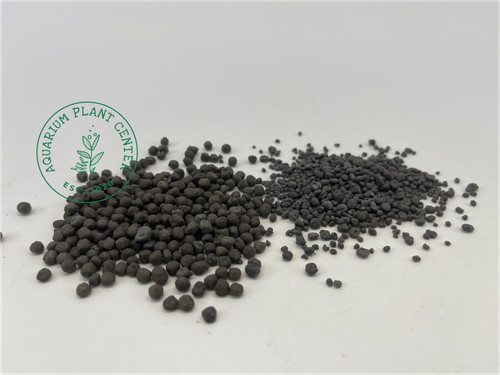
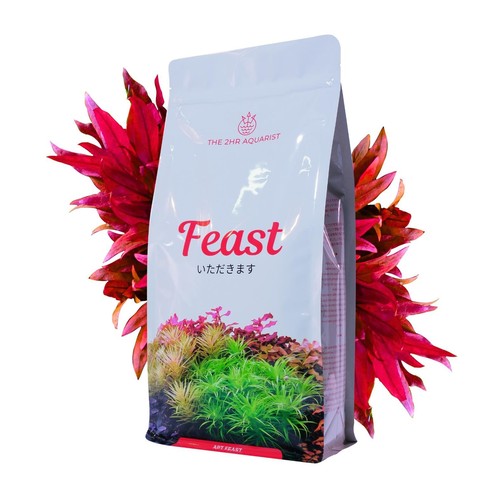
For dense stem plants, carpeting species, and aquascaping with lush growth, active aquasoil offers the most reliable results. These granules are engineered from baked clay or volcanic ash, packed with macronutrients (nitrogen, phosphate, potassium) and trace elements. Expect an initial ammonia release—this jumpstarts cycling but means you must wait 3–4 weeks before adding livestock. Most aquasoils lower pH and KH, creating soft, slightly acidic water favored by many plants and shrimp.
Downsides include cost (often $30–$50 per 9L bag, enough for a 10–15 gallon tank at a 2–3 inch depth) and limited lifespan: after 18–24 months, nutrients are depleted and the granules may break down. Still, for aquascapes with demanding plants like Monte Carlo, dwarf hairgrass, or Rotala, nothing else matches their performance. See today’s deals
When Inert Gravel or Sand Makes Sense
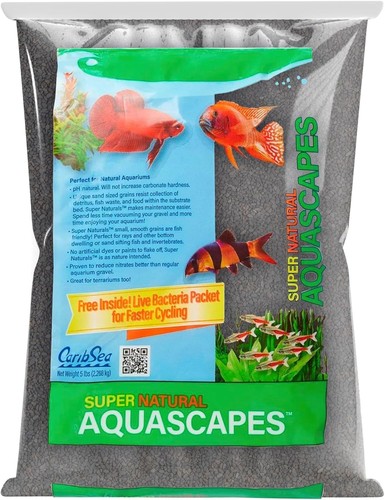
Not every planted tank needs active substrate. Inert gravel (2–5 mm, rounded or angular) is inexpensive, lasts indefinitely, and won’t affect water chemistry. It’s ideal for tanks with robust root feeders (like Amazon swords or crypts) if you supplement with root tabs. Gravel also resists compaction, so it’s safer for deeper beds or heavy hardscape. Sand is beautiful for certain aquascapes but compacts easily—use only in thin layers (under 2 cm) or cap with a coarser substrate to avoid anaerobic pockets.
Both options require regular fertilization, either in the water column or with root tabs spaced every 2–3 inches. Gravel is easier to clean and replant than sand, especially for beginners. Compare options
Specialty Planted Substrates: The Middle Ground
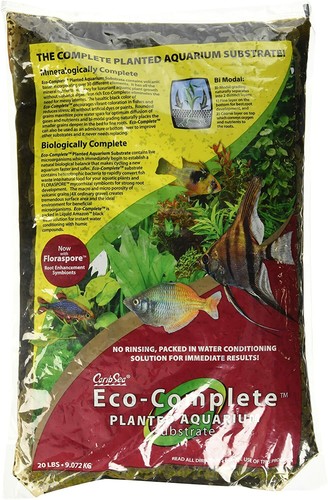
Clay-based or sintered substrates (often reddish or brown, 1–3 mm) are engineered to hold nutrients and promote root growth without the pH-lowering effects of aquasoil. They usually contain iron and trace elements, but not as much macronutrient content. These are a good choice for tanks with moderate to low lighting, undemanding plants, or if you want a balance of long life (2–5 years), safe chemistry, and a natural look. They’re less messy than aquasoil and don’t cloud water easily.
These substrates can be used alone or layered over a base of inert gravel for extra depth. They’re also a favorite for shrimp tanks due to their clean, stable performance. View what’s available
Related Guides
- The Best Aquarium CO2 Regulators, Reviewed for Planted Tanks
- CO2 Injection Systems That Are Actually Worth Using in Planted Tanks
- Aquarium Cooling Fans That Actually Work: A No-Nonsense Guide
- Root Tabs for Aquarium Plants That Actually Work
- The Best Hang-On-Back Aquarium Filters, Reviewed and Compared
- Browse all Substrate Choices →
How Much Substrate to Use for Planted Aquariums
Depth matters for plant anchoring and root development. For most planted tanks, aim for 2–3 inches (5–8 cm) of substrate at the front and slope up to 3–4 inches (8–10 cm) at the back for visual depth. This means:
- 10-gallon tank (20″ x 10″): 1–1.5 bags (9L each)
- 20-gallon long (30″ x 12″): 2–2.5 bags (9L each)
- 40-gallon breeder (36″ x 18″): 4–5 bags (9L each)
Use online calculators for odd-shaped tanks, but always round up—shallow beds make planting and aquascaping difficult.
Water Chemistry: What Each Substrate Does (and Doesn’t) Change
Active aquasoil lowers pH and KH, often bringing tap water from 7.5/4 dKH down to 6.5/1 dKH in a few weeks. This is ideal for softwater species but can stress hardwater fish if not planned for. Inert gravels and sands do not alter water chemistry. Capped soils and home-brewed mixes are unpredictable; commercial soils may leach ammonia or tannins, causing pH swings and cloudy water. Always test your water weekly for the first month after setup and perform 30–50% water changes to manage any nutrient spikes.
Substrate Maintenance in Planted Tanks
Vacuuming the substrate too aggressively can uproot plants or disturb nutrient layers. Use a gentle swirling motion around plants and avoid deep gravel cleaning. For aquasoil, limit vacuuming to the surface. Inert substrates can be cleaned more thoroughly, but don’t overdo it—beneficial bacteria live in the substrate and help process waste.
Every 12–18 months, assess plant health: slow growth or yellowing can signal depleted nutrients. Top up with root tabs or consider a partial substrate replacement for tanks older than 2 years.
Planting Techniques: Getting the Most from Your Substrate
For carpeting plants, use planting tweezers to insert small clumps at a 45-degree angle, 1–2 cm deep and spaced 2–3 cm apart. Stem plants should be trimmed and planted at least 2 inches into the substrate, with lower leaves removed to encourage root growth. For heavy root feeders, add root tabs below the crown at setup and every 2–3 months. Always fill the tank gently—use a plate or plastic bag to disperse water and prevent substrate disturbance.
Common Pitfalls to Avoid with Planted Tank Substrates
- Using too shallow a bed—roots won’t anchor and plants float
- Skipping the cycling phase for aquasoil—can result in ammonia spikes and fish loss
- Mixing substrate types without a clear plan—can cause anaerobic zones or layering issues
- Over-cleaning substrate—removes beneficial bacteria and uproots plants
- Choosing fine sand for deep beds—leads to compaction and root rot
Frequently Asked Questions About Substrate for Planted Tanks
Can I use regular aquarium gravel for planted tanks?
Standard aquarium gravel (2–5 mm) is usable for low-demand plants if you supplement with root tabs. For carpeting or demanding species, growth will be slow unless you use additional fertilizers.
How often should I replace planted tank substrate?
Active aquasoil is most effective for 12–24 months before nutrients are depleted. Inert gravel or sand can last indefinitely, but you’ll need to add root tabs or consider replacement if plant growth slows after several years.
Will substrate change my water parameters?
Only active substrates (aquasoil and some capped soils) lower pH and KH. Inert substrates like gravel and sand are neutral. Always monitor water chemistry after introducing new substrate, especially in planted shrimp tanks.
How do I prevent cloudy water when adding substrate?
Rinse inert gravels or specialty substrates thoroughly before use. For aquasoil, avoid rinsing but fill the tank slowly by pouring water onto a plate or plastic sheet. Allow filtration to clear any haze; most clears within 24–48 hours.
Can I mix substrate types in one tank?
It’s possible to layer substrates (e.g., nutrient-rich base capped with gravel), but this can complicate maintenance and risk mixing if disturbed. For most home tanks, stick to one type or use a thin decorative sand/gravel cap for aesthetics.
How deep should the substrate be for rooted plants?
A minimum of 2–3 inches (5–8 cm) is recommended for healthy root development. For large plants or sloping aquascapes, 3–4 inches (8–10 cm) at the back provides better anchoring and visual depth.
Final Thoughts: Matching Substrate to Your Planted Tank Goals
The best substrate for your planted tank comes down to your plant list, maintenance style, and water parameters. For lush, high-energy aquascapes, active aquasoil is worth the investment. For easy, low-tech setups, inert gravel or specialty substrates paired with root tabs keep things simple. Always plan for enough depth, watch your water chemistry, and resist the urge to over-clean. With the right foundation, your plants—and aquascape—will thrive for years. Check current prices