Disclosure: As an Amazon Associate and eBay Partner Network publisher, we earn from qualifying purchases. This doesn’t affect what we recommend or how we describe it.
6 min read
Unwanted snails, algae, and harmful hitchhikers are the last thing you want in a freshly planted aquarium. Cleaning new aquarium plants thoroughly before planting is the single best way to prevent pest outbreaks and protect your aquascape. Whether you’re working with tissue culture, potted, or bare-root plants, the right cleaning method makes a real difference for long-term tank health and reduces the risk of introducing algae, parasites, or chemical residues to your setup. For more detail, see Preventing aquatic invasive species.
Why Proper Plant Cleaning Matters for Home Aquascapes
Most aquatic plants sold for home aquariums are grown in commercial greenhouses, ponds, or emersed in rockwool. They often arrive carrying snails, snail eggs, algae spores, or traces of pesticides and fertilizers used during cultivation. Even tissue culture plants, while safer, aren’t immune to contamination during handling. Over 15 years of tank setups, I’ve seen how a single missed snail egg or a patch of black beard algae can ruin months of careful aquascaping. Proper cleaning isn’t just about aesthetics—it’s about avoiding costly mistakes and extra work down the line. For more detail, see Aquascaping overview.
Plant Types and Their Cleaning Needs
How you clean depends on the plant’s origin and form. Here’s what to expect with the most common types:
- Tissue culture plants: Grown in sterile gel, generally free from pests but may have nutrient residues. Require gentle rinsing to remove gel.
- Potted plants (in rockwool): Likely to harbor snails, algae, and chemical traces in the wool. Need thorough removal and cleaning.
- Bare-root plants: Most at risk for hitchhikers and algae, especially if sourced from open tanks or pond-grown suppliers.
- Bunched stem plants: Sold tied with lead weights; these often carry algae and snail eggs on stems and leaves.
Each form benefits from a slightly different cleaning approach, and skipping steps can introduce lasting problems.
Step-by-Step: Cleaning Methods That Actually Work
Over the years, I’ve tested everything from “just rinse” to full chemical dips. Here’s what consistently gives the best results for home freshwater tanks:
- Manual inspection and removal: Always start by removing dead leaves, visible snails, and egg clusters. Use tweezers and a magnifying glass for best results.
- Rinsing under running water: Hold plants under cool tap water (15–20°C) for 1–2 minutes, gently agitating leaves. This alone removes most loose debris and some surface hitchhikers.
- Rockwool removal (for potted plants): Soak the root ball in dechlorinated water for 5–10 minutes, then pick out all traces of rockwool. Even small fibers can rot and cause ammonia spikes.
- Tissue culture gel removal: Rinse plants in lukewarm dechlorinated water (20–22°C), carefully massaging off all gel. Residual gel can cloud tank water and feed bacteria blooms.
Comparing Disinfection Dips: Bleach, Hydrogen Peroxide, and Potassium Permanganate
When you want to go beyond simple rinsing—especially for bare-root or bunched plants—disinfection dips offer extra protection. Each option has pros and cons for home use. Here’s a comparison table with real-world data:
| Dip Method | Concentration | Contact Time | Pest/Algae Control | Plant Safety | Ease of Use |
|---|---|---|---|---|---|
| Bleach (unscented, 5–6% sodium hypochlorite) | 1:19 (5%) dilution (50 ml bleach per 950 ml water) | 90–120 seconds | Excellent (kills most snails, eggs, algae spores) | Risk of damage to delicate plants (e.g., mosses, Vallisneria, anubias roots) | Requires thorough dechlorinated rinse; handle with care |
| Hydrogen Peroxide (3% solution) | 1:1 with water (1 part peroxide, 1 part water) | 5–7 minutes | Moderate (good for algae, limited snail/egg control) | Safe for most stems and rhizomes; avoid on mosses and ferns | Simple to use; no special neutralizer needed |
| Potassium Permanganate | 10 mg/L (bright pink solution) | 15–20 minutes | Good for algae and some parasites; less effective for snail eggs | Generally safe if not overdosed; can stain skin and surfaces | Requires careful mixing and post-dip rinse |
For dense stem plants or those from outdoor sources, I recommend the hydrogen peroxide dip for most home hobbyists. It’s less harsh than bleach and doesn’t require a neutralizer, but still knocks back most algae and many pests. Always rinse plants in dechlorinated water after any dip, and never exceed the recommended contact time—overdosing can melt leaves or kill roots.
Compare options for aquarium-safe disinfectantsReal-World Cleaning Routines for Different Plant Types
Here’s how I handle the most common plant types when setting up a new aquascape:
- Tissue Culture: Remove from cup, rinse off all gel in several changes of dechlorinated water at 20–22°C, and skip chemical dips. Inspect for mold or rot before planting.
- Potted in Rockwool: Remove plant, soak root ball in dechlorinated water for 10 minutes, meticulously pick out all rockwool, rinse under running water, then dip in hydrogen peroxide (1:1) for 5 minutes if the source is suspect. Rinse again before planting.
- Bare-Root or Bunched: Remove any dead material, manually inspect for snails/eggs, rinse under running water, then dip in potassium permanganate (10 mg/L) for 15 minutes if outdoor-grown. Rinse thoroughly.
- Delicate Mosses/Ferns: Avoid bleach or peroxide dips. Rinse in several changes of dechlorinated water, manually inspect, and consider a very weak potassium permanganate dip (5 mg/L, 10 minutes) if needed.
After cleaning, float plants in a bucket of dechlorinated water for 1–2 hours before planting. This helps recover from any stress and gives a final chance to spot missed snails or debris.
See today’s deals on aquascaping tools and cleaning suppliesWhat to Avoid: Common Mistakes That Lead to Pest Outbreaks
Even experienced aquascapers make preventable errors that invite trouble. Some of the most frequent issues I’ve seen in client tanks:
- Skipping manual inspection: Chemical dips can’t remove all snail eggs or algae mats. Always check plants leaf by leaf.
- Using undiluted chemicals: Never dip plants in straight bleach or peroxide. Always dilute to the recommended ratios—stronger isn’t better, and can kill plants.
- Insufficient rinsing: Any residual bleach, peroxide, or permanganate can harm fish and shrimp. Rinse in at least 2–3 changes of dechlorinated water after dipping.
- Planting with rockwool attached: Even small traces can decay, spike ammonia, and harm new roots. Remove all of it.
- Not quarantining new plants: For high-value aquascapes, consider a 7-day quarantine in a separate tank or bucket with daily water changes to catch hidden pests before they reach your display tank.
Related Guides
- Root Tabs for Aquarium Plants That Actually Work
- Aquarium LED Lights for Plants That Actually Work
- Aquarium Cooling Fans That Actually Work: A No-Nonsense Guide
- The Best Aquarium CO2 Regulators, Reviewed for Planted Tanks
- The Best Hang-On-Back Aquarium Filters, Reviewed and Compared
- Browse all Aquascaping Tools →
FAQ: Practical Answers for Cleaning Aquarium Plants
Can I use vinegar or saltwater to clean aquarium plants?
Vinegar solutions are not effective against most pests or algae, and saltwater dips can damage freshwater plants. Stick to proven methods like diluted bleach, hydrogen peroxide, or potassium permanganate for reliable results.
Is it safe to use dish soap or household cleaners?
No. Soap and household cleaners can leave residues toxic to fish and invertebrates, even after rinsing. Only use dechlorinated water and aquarium-safe disinfectants.
How do I know if I’ve removed all snails and eggs?
Inspect every leaf and stem under bright light. Snail eggs look like small, clear jelly blobs, often attached to leaf undersides or stems. After cleaning, float plants in a bucket for a few hours—if you see snails crawling out, repeat the cleaning process.
Should I clean plants differently for shrimp tanks?
Shrimp are highly sensitive to chemical residues. Rinse very thoroughly after any dip, and consider using only hydrogen peroxide (well-rinsed) or potassium permanganate at the lowest effective dose. Avoid bleach dips for mosses and ferns intended for shrimp tanks.
How long should I quarantine new plants?
A 7-day quarantine in a separate, bare-bottom tank or bucket with daily 100% water changes is ideal for catching hidden snails or pests. This is especially recommended for high-value or display tanks.
Do I need to clean tissue culture plants?
Yes, but only to remove the nutrient gel. Rinse in several changes of dechlorinated water at 20–22°C, and gently remove all gel to avoid cloudy water and bacterial blooms.
Final Thoughts: Clean Plants, Healthy Aquascapes
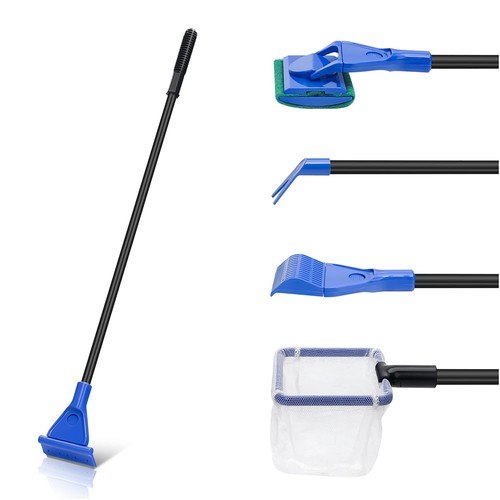
The time you spend cleaning new aquarium plants pays off in months of smooth running and fewer pest headaches. Choose a cleaning method matched to your plant type, don’t rush the manual inspection, and always rinse thoroughly after any chemical dip. The right tools—tweezers, buckets, and aquarium-safe disinfectants—make the process faster and more reliable. A little extra care now means clearer water, healthier livestock, and an aquascape you can be proud of.
Check current prices on aquascaping cleaning kits