
8 min read
Disclosure: As an Amazon Associate and eBay Partner Network publisher, we earn from qualifying purchases. This doesn’t affect what we recommend or how we describe it.
Most aquarium heater failures can’t be safely repaired at home—replace the unit if it won’t heat, has cracked glass, or trips your breaker. For minor issues like a stuck dial or calcium buildup, careful cleaning and adjustment can sometimes restore function, but only if the heater is still electrically sound. This guide covers exactly which heater problems you can (and can’t) fix yourself, step-by-step instructions for safe troubleshooting, and how to choose gear that won’t let you down in a planted tank.
Spot the difference between a fixable and unfixable heater
Most home aquarists first notice a problem when the tank temperature drifts or the heater light no longer comes on. But not every heater issue can—or should—be fixed. Based on research into common heater failures and manufacturer guidelines, here’s how to decide:
- Cracked glass, damaged seals, or water inside: Immediate replacement required. Even minor cracks can cause shorts or electrocution risks. Don’t attempt to repair or reseal.
- Heater not turning on at all (no light): Try a different outlet or power strip first. If still dead, internal failure is likely—replace the unit.
- Heater stuck “on” (won’t turn off): Replace immediately. This is a failed thermostat and can cook your fish and plants.
- Erratic temperature, inaccurate readings: Test with a separate thermometer. If the heater’s dial is dirty or stuck, gentle cleaning may help. If not, the internal controls are likely worn out.
- Visible mineral buildup or stuck controls: These issues are sometimes reversible with careful cleaning, as described below.
Never attempt to open or repair the electrical internals of a heater. It’s not worth the risk—modern aquarium heaters are sealed for safety, and any breach can cause catastrophic failure. For reliable results, see today’s deals on replacement heaters that suit your tank size and setup.
Comparison table: Heater repair approaches vs. replacement options
| Approach | What You Can Fix | Risk Level | Typical Time Required | Expected Lifespan Afterward |
|---|---|---|---|---|
| External Cleaning | Mineral buildup, stuck dial | Low | 15–30 min | 3–12 months |
| Thermostat Recalibration | Minor temp drift | Medium | 10–20 min | 1–6 months |
| Sealant Repair | None (unsafe) | High | — | — |
| Replace with New | Any failure | Very Low | 5–10 min | 2–5 years |
| Professional Repair | Not available for hobby units | — | — | — |
Related Guides
- How to Repair an Aquarium Heater: Step-by-Step Troubleshooting Guide
- How to Install an Aquarium Heater: Step-by-Step Guide for Beginners
- How to Set Your Aquarium Heater Temperature: A Step-by-Step Guide
- Aquarium Air Stones That Actually Work: Our Top Picks for Healthy Tanks
- Aquarium Canister Filters That Actually Work: Top Picks for 2026
- Our guide to Aquarium Circulation Pumps That Are Actually Worth Buying
How to repair a stuck or dirty aquarium heater (step-by-step guide)
- Unplug the heater and let it cool. Always disconnect from mains power and allow the heater to sit for at least 30 minutes before handling. This prevents burns and electrical shock.
- Remove the heater from the tank. Gently lift it out, keeping the heater upright to avoid water entering the tube if there are any seal problems.
- Clean mineral buildup and grime. Soak the heater in a 1:1 solution of white vinegar and water for 15–30 minutes. Use a soft brush or cloth to remove calcium deposits, especially around the control dial. Rinse thoroughly in fresh water.
- Test the dial and controls. Rotate the temperature dial gently. If it was stuck due to buildup, it should now turn freely. Avoid using force—if it won’t move, the internal mechanism is likely worn out.
- Inspect for damage. Check for cracks, cloudy spots, or signs of water intrusion inside the tube. Any of these mean the heater is unsafe—replace it immediately.
- Reinstall and monitor performance. Place the heater back in the tank, plug it in, and monitor the temperature with a separate thermometer for at least 24 hours. If the temperature is stable and the heater cycles on and off properly, you’ve extended its life. Otherwise, replace it.
For most home setups, these steps resolve minor buildup or sticky controls. If the heater still fails to regulate temperature, check current prices on reliable replacements. A new heater is far cheaper than replacing livestock or plants lost to overheating or cold snaps.
Choose the right heater for a reliable planted tank
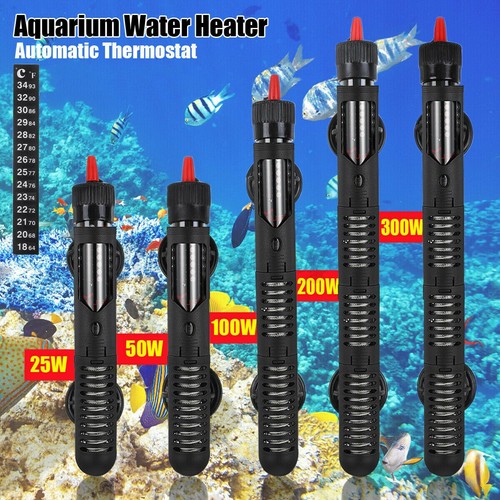
Once a heater starts to fail, even a minor issue can become catastrophic. Many planted tank enthusiasts prefer to invest in gear with clear wattage ratings, adjustable thermostats, and shatterproof tubes. For a typical 20-gallon planted aquarium, a 75-watt unit is usually ideal—providing stable heat without overshooting. Always size the heater to roughly 3–5 watts per gallon for tanks under 50 gallons. For larger tanks, two smaller heaters are safer than a single large one, as they provide redundancy and more even heat distribution.
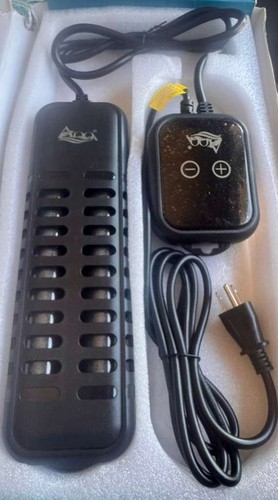
For rimless or shallow aquascapes, low-profile heaters (under 8 inches long) fit better and are less obtrusive. Look for models with external temperature controllers or digital displays if you want more precise adjustments. View what’s available for different tank sizes and layouts.
Specifications that actually matter
Wattage rating
Heater wattage controls how quickly your tank reaches and maintains the target temperature. For most home aquariums, 3–5 watts per gallon is sufficient. Oversized heaters can cause rapid temperature swings, while undersized ones struggle in cool rooms.
Thermostat accuracy
Most budget heaters have a variance of ±2°C, while higher-end models can stay within ±0.5°C. For sensitive species or aquascapes with expensive flora, more accurate thermostats are worth the slight price bump.
Tube length and profile
Measure your tank’s water depth before buying. Standard heaters range from 6 to 14 inches long; for rimless or shallow tanks, a compact heater (under 8 inches) avoids substrate contact and ensures even heating.
Safety shutoff and indicator lights
Look for a visible power indicator and, if possible, an automatic shutoff if the heater is removed from water. This prevents overheating accidents during water changes or cleaning.
Waterproof rating
Check for an IPX8 or comparable waterproof rating. This ensures safe submersion and prevents internal shorts. Never use a heater that shows condensation or fogging inside the tube.
Why most heater DIY “fixes” are unsafe
Some online guides suggest resealing heater tubes or replacing thermostats. In reality, aquarium heaters are not designed for home repair. The risk of electric shock, fire, or catastrophic tank failure is high—especially for any fix that involves opening the heater body or tampering with wiring. Even a small leak can let water reach live components, endangering both you and your aquarium. For the safety of your livestock and your home, always replace a compromised heater rather than attempting DIY electrical repairs. For a deeper dive on electrical appliance safety, see this trusted consumer safety resource.
FAQ: Aquarium heater repair and replacement
How long does a typical aquarium heater last?
Most home aquarium heaters last 2–5 years, depending on quality, usage, and maintenance. Cheaper models with basic thermostats may fail after just 12–18 months. Always monitor performance with a separate thermometer, as heaters can fail gradually and without warning.
Is it ever safe to reseal a leaking heater?
No—resealing a heater with aquarium silicone or epoxy is not safe. Water intrusion means the unit has lost its integrity and could short out, risking electrocution or fire. Discard any heater that shows signs of leaking or condensation inside.
What’s better for a planted tank: one large heater or two smaller ones?
Two smaller heaters are safer for tanks over 40 gallons. They provide redundancy—if one fails, the other maintains some heat. This also distributes warmth more evenly, preventing hot spots in dense aquascapes.
How can I tell if my heater is failing?
Watch for erratic temperature swings, a heater that stays on or off, or visible damage like cracks or fogging inside the tube. A separate, reliable thermometer is essential for early detection of heater problems.
Can I repair the thermostat if the heater is stuck “on”?
No—if the thermostat fails and the heater won’t turn off, it’s time to replace the unit. Internal thermostat repairs are not possible or safe for hobbyist-grade heaters.
What warranty or return options should I look for?
Choose heaters with at least a 1-year warranty. Check that the seller accepts returns for defective units. Keep proof of purchase and register your heater if required for warranty coverage.
How much temperature variance is acceptable for a planted aquarium?
A swing of ±1°C (about 2°F) is acceptable for most freshwater plants and fish. Sensitive species may require tighter control. If your heater causes larger fluctuations, consider upgrading to a more precise model.
Are there any maintenance steps to prolong heater life?
Periodic cleaning to remove mineral deposits and regular checks for cracks or fogging can help extend heater life. Avoid running the heater dry and always unplug during water changes to prevent damage. Using a surge protector can also protect against voltage spikes.
Is professional repair for aquarium heaters available?
For typical hobbyist-grade heaters, professional repair services are generally not offered due to the low replacement cost and safety considerations. Commercial or industrial aquarium setups may have serviceable heaters, but most hobby models are considered disposable once they fail.
Final thoughts: When to repair and when to replace
In most cases, minor cleaning or dial adjustments are the only safe “repairs” for aquarium heaters. Any heater with electrical, seal, or thermostat failure should be replaced immediately. Investing in a reliable, properly sized heater pays off in the long run—protecting your planted tank from disastrous temperature swings. For peace of mind, compare options and choose a model that fits your tank’s needs and your budget.
Related Guides
- How to Repair an Aquarium Heater: Step-by-Step Troubleshooting Guide
- How to Install an Aquarium Heater: Step-by-Step Guide for Beginners
- How to Set Your Aquarium Heater Temperature: A Step-by-Step Guide
- Aquarium Air Stones That Actually Work: Our Top Picks for Healthy Tanks
- Aquarium Canister Filters That Actually Work: Top Picks for 2026
- Our guide to Aquarium Circulation Pumps That Are Actually Worth Buying


Last updated: June 2026 · How we put guides together