7 min read
Disclosure: As an Amazon Associate and eBay Partner Network publisher, we earn from qualifying purchases. This doesn’t affect what we recommend or how we describe it.
Your tank water feels chilly to the touch, plants are wilting, and your fish are less active—so you reach for the heater, but the dial is just a mystery of numbers, lines, and vague “warm” or “cold” icons. Getting the heater temperature right is one of the most common stumbling blocks for new and intermediate freshwater aquarists. This guide breaks down exactly how to set heater temperature for a healthy, stable planted aquarium—without guesswork or wasted money on the wrong gear.
What hobbyists are really looking for
The search intent for “how to set heater temperature” is overwhelmingly practical and beginner-focused, but even intermediate aquarists want clear, actionable steps. Readers want to know:
- What temperature is best for their planted tank and fish?
- How to adjust the heater accurately (not just “turn the dial”)?
- How to verify the actual water temperature matches the heater setting?
- What to do if their heater is inaccurate or keeps fluctuating?
- How to choose a heater that’s easy to set and reliable for their tank size?
This article answers all of these, with specific numbers, step-by-step instructions, and practical gear comparisons based on real-world aquascaping experience.
Typical temperature ranges for planted tanks
Healthy tropical freshwater aquariums—especially those planted with popular species like Anubias, Java fern, Cryptocoryne, and Amazon swords—thrive in water between 22°C and 26°C (72°F to 79°F). Most community fish also do well in this range. For dedicated plant growth, stability is more important than hitting a single “perfect” degree.
- 22-24°C (72-75°F): Suits cooler-tolerant species and slows algae growth, but some plants may slow down.
- 24-26°C (75-79°F): Ideal for most tropical fish and robust plant growth.
- Above 27°C (80°F+): Only for specialty species—most aquascapes and community tanks will see plant stress and increased algae.
Consistency is key: sudden swings of more than 2°C (3-4°F) in a day can trigger stress or disease. That’s why accurate heater setup matters so much.
Heater types and control methods: comparison table
| Type | Control Mechanism | Temp Adjustment Range | Accuracy (±°C) | Tank Size Supported |
|---|---|---|---|---|
| Basic Dial Submersible | Manual rotary dial | 18–34°C (64–93°F) | ±2.0 | 10–150 L |
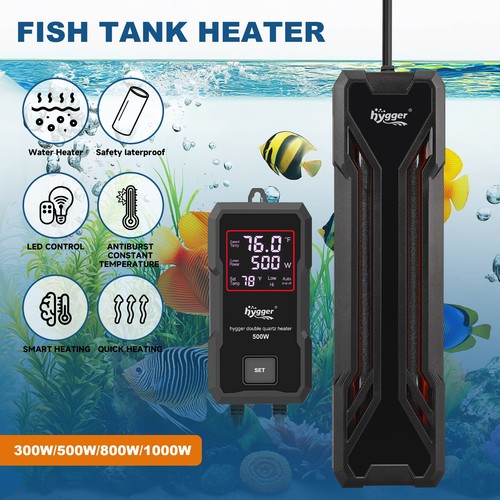
| Digital Inline Heater | External digital keypad | 20–32°C (68–89°F) | ±0.5 | 40–500 L |
| Preset Compact Heater | Fixed internal sensor | 25°C (77°F) only | ±1.0 | 5–40 L |
| Thermostat Controller + Heater | External probe & digital display | 18–32°C (64–89°F) | ±0.3 | 20–500 L |
| Glass Rod with Analog Thermostat | Manual side dial | 20–32°C (68–89°F) | ±1.5 | 20–200 L |
How to set heater temperature: step-by-step
- Unplug the heater before adjusting. This prevents electrical hazards and avoids sudden temperature spikes as you handle the unit.
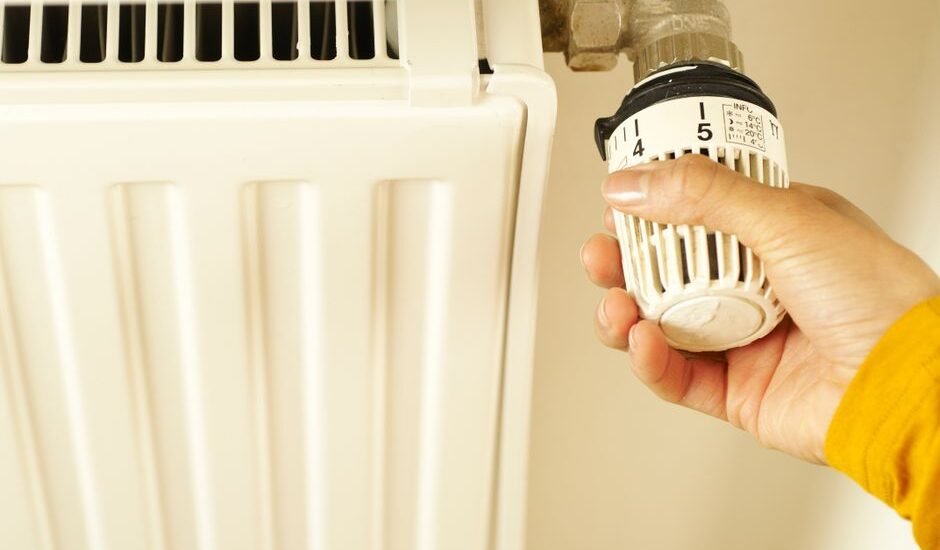
- Set the dial or digital control to your target temperature. For most planted tanks, choose 24–25°C (75–77°F) to balance plant and fish needs. Use the scale or digital readout, not just “midway”.
- Reinstall the heater fully submerged and secure it to the tank wall, away from direct water flow and not buried in substrate.
- Plug the heater back in and let it run for at least 30–60 minutes before taking a reading. Water temperature equalizes slowly in planted setups.
- Check the actual water temperature with a reliable aquarium thermometer (digital probe or floating glass, accurate to ±0.5°C). Compare this reading to your heater setting.
- Fine-tune the control: if the measured temp is too low or high, adjust the dial up or down by 1–2°C, then wait another hour and recheck.
- Repeat adjustments as needed until the thermometer matches your target. Most heaters need 2-3 small tweaks for precise calibration.
For heaters with external thermostats, always position the probe far from the heater itself—ideally on the opposite end of the tank—to ensure a true average temperature reading.
See today’s dealsWhy your heater’s setting rarely matches tank reality
Most basic aquarium heaters, especially budget models, can be off by 1–2°C (2–4°F) from what the dial says. Reasons include:
- Manufacturing tolerance: Cheap dials and sensors often drift over time.
- Poor water circulation: If your filter flow is weak, the heater may create hot or cold spots.
- Room temperature swings: Heaters work harder in cold rooms, and may overshoot in a heat wave.
- Placement issues: Heaters wedged behind decorations or plants may read warmer than the rest of the tank.
To minimize these issues, always use a separate thermometer for verification. Consider an external digital controller if you need tighter accuracy (±0.3°C) for sensitive species or high-end aquascapes.
Compare optionsMatching heater wattage to tank size
As a rule of thumb, use 1 watt per liter (or 3–5 watts per US gallon) for a standard room. For example:
- 40 L (10 gal): 40–50 watt heater
- 100 L (25 gal): 100–125 watt heater
- 200 L (50 gal): 200–250 watt heater
If your home drops below 18°C (64°F) in winter, size up one level. Oversized heaters can cause rapid temperature swings, while undersized models may never reach the target temp.
View what’s availableRelated Guides
- Light Spectrum for Plant Growth: What Aquarium Plants Really Need
- Clip-On Aquarium Lights That Are Actually Worth Buying
- Aquarium Heaters With Guards That Are Worth Buying
- Choosing the Right Inline CO2 Atomizer for Your Planted Tank
- Liquid Fertilizer vs Root Tabs: Which Should You Use for Your Planted Tank?
- Our guide to Choosing the Right Aquarium Cabinet Stand: What to Look For
- Browse all Aquarium Tanks →
Common mistakes to avoid
- Trusting the heater dial blindly: Many heaters are off by 1–2°C. Always confirm with a separate thermometer, or you risk cooking or chilling your livestock.
- Placing the heater horizontally in deep substrate: This traps heat and can lead to glass breakage or inaccurate readings, especially in planted tanks with thick soil.
- Skipping acclimation time: Adjusting the temp and immediately adding fish or plants exposes them to unstable conditions. Always let the tank stabilize for several hours after changes.
- Buying a preset heater for a mixed-species tank: Preset models are convenient but fixed at 25°C—too warm for some shrimp and too cool for certain tropicals. Adjustable models offer more flexibility.
- Ignoring wattage recommendations: Using a heater that’s too small means it runs nonstop and still can’t reach your target, leading to stress and stunted plant growth.
FAQ: heater temperature setup for planted tanks
How accurate are most aquarium heater dials?
Most standard dial heaters are accurate to within ±1–2°C, though premium digital models can be as precise as ±0.3°C. Always check with a separate aquarium thermometer, since even expensive units may drift over time.
Can I use a preset heater for my 60-liter planted tank?
Preset heaters are usually designed for small tanks (under 40 liters) and fixed at 25°C. For a 60-liter tank, you’ll get better control and reliability with an adjustable heater rated for at least 60 watts.
How often should I verify the water temperature?
Check the tank temperature daily for the first week after setup or any major change. After that, weekly checks are enough for most stable tanks. Always monitor closely during seasonal changes or heatwaves.
External controller vs. built-in thermostat: which is better for stability?
External digital controllers with separate probes offer tighter temperature control (±0.3°C) and let you place the sensor anywhere in the tank. Built-in thermostats are simpler but often less accurate, especially in larger or heavily planted setups.
What wattage heater do I need for a 100-liter tank?
For a 100-liter (about 25-gallon) tank, use a heater rated between 100 and 125 watts. Go up to 150 watts if your room gets particularly cold in winter. Never use a heater rated much lower, or you risk underheating.
What if my heater keeps overshooting the set temperature?
This usually means the thermostat is faulty or badly calibrated, or the heater is oversized for the tank. Try resetting or recalibrating; if the problem persists, replace the heater to avoid stressing your livestock. Check warranty terms before buying for peace of mind.
Authoritative resources for further reading
For more on heater safety and aquarium temperature management, see the FishBase reference database or the Aquarium Co-Op education section. Both offer up-to-date, expert-backed information on freshwater aquarium care.



Last updated: June 2026 · About our research