7 min read
Disclosure: As an Amazon Associate and eBay Partner Network publisher, we earn from qualifying purchases. This doesn’t affect what we recommend or how we describe it.
Digital water hardness testers for home aquariums range from $15 to over $120, but price alone doesn’t guarantee accuracy or ease of use. For freshwater planted tanks, knowing your water’s general hardness (GH) and carbonate hardness (KH) is critical—these numbers affect plant growth, fish health, and how stable your pH will be. Many hobbyists waste money on digital testers that promise lab-grade results but fall short in real-world tanks. Here’s what actually matters when choosing the right tester for your aquascape.
What most buying guides get wrong about digital water hardness testers
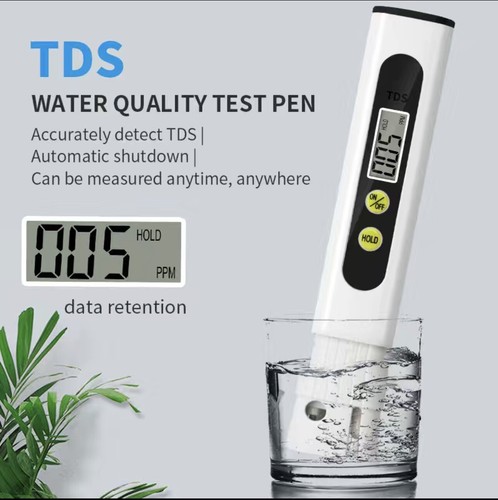
Many aquarium equipment reviews lump all “digital water testers” together without clarifying that most entry-level digital meters only measure Total Dissolved Solids (TDS) or electrical conductivity (EC)—not true GH or KH. TDS can give you a rough idea about dissolved minerals, but it won’t tell you how much calcium and magnesium (GH) or carbonate/bicarbonate (KH) is present. For planted tanks, where you’re tweaking remineralizers or CO2 injection, these details matter. Don’t get stuck with a device that won’t answer the questions your aquascape needs.
Key specs and numbers that actually matter
In practice, you’ll encounter three main types of digital water hardness testers:
- TDS/EC meters: Measure total dissolved solids or electrical conductivity, typically in ppm or µS/cm. Fast, cheap, but indirect.
- Photometric testers: Use light to read a color reaction from a reagent. Some models offer direct GH/KH readings in °dH or mg/L. More accurate but pricier and require reagents.
- Ion-selective meters: Directly measure calcium or magnesium ions. Rare for hobbyists due to cost and complexity.
For planted tanks, a TDS meter with a range of 0–9999 ppm is fine for ballpark mineral content, but for true hardness, look for a photometric tester able to read GH and KH in 1 °dH (17.9 mg/L CaCO3) increments. Accuracy within ±2% is good enough for home use. Response time under 60 seconds keeps testing practical during water changes.
Comparison: Which digital tester type fits your planted tank?
| Tool Type | Hardness Parameters Measured | Measurement Range | Accuracy | Response Time | Price |
|---|---|---|---|---|---|
| TDS Meter | TDS (ppm), EC (µS/cm) | 0–9999 ppm | ±2% | 5–10 sec | $ |
| Photometric Tester | GH, KH (°dH or mg/L) | 0–30 °dH | ±1 °dH | 30–60 sec | $$$ |
| Ion-Selective Meter | Ca2+, Mg2+ (mg/L) | 0–200 mg/L | ±1 mg/L | 60–90 sec | $$$$ |
| Multi-Parameter Pen | TDS, EC, Temp; rarely GH/KH | 0–9999 ppm | ±2% | 10–20 sec | $$ |
| Digital Drop Checker | KH (est. via CO2) | — | ±2 °dH | 15–30 min | $$ |
Why most aquascapers settle for TDS—but should they?
TDS meters are cheap, fast, and give a repeatable number. For RO/DI water users or those remineralizing for shrimp tanks, a TDS reading between 100–200 ppm is often the goal. But TDS is just an aggregate—it can’t tell you if your water is high in sodium (bad for plants) or balanced in calcium and magnesium. If you add crushed coral or remineralizing salts, you’ll want to know GH and KH separately. That’s where photometric testers shine, despite their higher cost and need for reagents.
Check current pricesThe spec almost nobody talks about: Reagent shelf life and cost
Photometric digital testers require reagents—liquid or powder chemicals that react with your water. Each test typically costs $0.50–$2 in consumables, and reagents can expire within 1–2 years, especially if exposed to heat or humidity. If you only test monthly, consider whether you’ll use up the reagents before they degrade. Always check if refill packs are available and reasonably priced. For TDS meters, no reagents are needed, but calibration solution is recommended every 6–12 months for reliable readings.
See today’s dealsRed flags in listings to walk past
- No stated accuracy: If a digital tester doesn’t mention accuracy (e.g., ±2% or ±1 °dH), it’s likely a generic import with questionable calibration.
- “Measures GH/KH” with no reagent: Electronic pens that claim to directly read GH or KH without a reagent are misleading; they’re just TDS/EC meters with relabeled screens.
- No replacement reagents: For photometric testers, if you can’t find refill reagents from the same seller or manufacturer, you’ll be stuck with a useless device in a year.
- Unclear measurement range: Listings that don’t specify the testable GH/KH range (e.g., “0–30 °dH”) may not cover the levels you actually need for hard or soft water tanks.
- Stock photos only, no manual images: A lack of real product photos or sample readings often signals a drop-shipped generic device with little after-sales support.
How to calibrate and maintain your digital tester
Even the best digital water hardness testers need calibration or periodic checks. For TDS/EC meters, use a calibration solution (usually 342 ppm NaCl) every 6–12 months, or if you suspect drift. Photometric testers should be zeroed with distilled water before each use, and reagents must be kept dry and tightly sealed. Always rinse probes or cuvettes with tank water before and after testing to prevent cross-contamination. Store your device in a cool, dry place—never leave batteries inside for long periods if not in use.
View what’s availableRelated Guides
FAQ: Digital water hardness testers for home aquariums
How often should I test hardness in a planted tank?
For stable, established aquascapes, monthly testing is usually enough. If you’re adjusting remineralizers, CO2, or water source, test weekly until parameters settle. Always check after major water changes or equipment upgrades.
Can a TDS meter replace GH and KH test kits?
No. TDS meters provide a general sense of dissolved solids but can’t distinguish between hardness minerals and other ions. For planted tanks with specific GH and KH targets, you’ll need a tester that reads those values directly, or use traditional drop kits.
How long do photometric tester reagents last?
Most reagents are good for 12 to 24 months if kept sealed and dry. Always check the expiration date and store in a cool place. Using expired reagents can result in inaccurate readings.
Photometric vs. TDS meter—what’s better for planted tanks?
Photometric testers are superior if you want direct GH and KH readings, which are crucial for sensitive plants and shrimp. TDS meters are fine for general monitoring, especially with RO/DI setups, but can’t pinpoint hardness type. Choose based on your tank’s needs and your willingness to handle reagents.
Are these testers compatible with both freshwater and saltwater?
TDS and EC meters work in both, but GH/KH values are only meaningful in freshwater. In saltwater, total hardness is dominated by other ions. Always check the tester’s range—some are calibrated only for low-conductivity (freshwater) readings.
What’s the most common failure point with digital testers?
The biggest issues are probe fouling (from mineral buildup), dead batteries, and expired reagents. Always rinse probes, replace batteries regularly, and avoid storing equipment in humid areas. Inexpensive meters may also lose calibration quickly, so check with calibration solution every few months.
Can I return a digital tester if it’s inaccurate?
This depends on the seller’s policy. Always check for a return window and warranty before purchase. Reputable sellers will accept returns for faulty calibration or DOA units, but user-caused damage or expired reagents are rarely covered.
Where to learn more about water parameters for aquariums
For an in-depth explanation of water hardness and its impact on aquariums, the Aquarium Co-Op knowledge base provides clear, hobbyist-friendly guides. For technical background on water testing methods and standards, consult the ASTM International standards for water analysis.


Last updated: July 2026 · About our research