8 min read
Disclosure: As an Amazon Associate and eBay Partner Network publisher, we earn from qualifying purchases. This doesn’t affect what we recommend or how we describe it.
Most aquarium guides treat “water quality testing” as a catch-all, but the reality is more nuanced: the best digital water quality tester for you depends on which parameter you need to measure most often. For planted tanks, tap water prep, and routine maintenance, TDS and pH are the two most critical numbers—yet no single device truly does both well at this price tier. This guide compares the two most widely recognized digital testers on the market, each focused on a different measurement, to help you choose the right tool for your aquarium’s needs.
Top picks at a glance
- HM Digital TDS-EZ PPM Meter/Tester — the most recognized brand for basic TDS testing
- VIVOSUN PH Meter Digital PH Tester Pen 0.01 High Accuracy Water Quality Tester — the best-known option for pH testing
What real-world aquarists actually test
In home freshwater tanks, TDS (total dissolved solids) and pH are the quickest indicators of water chemistry shifts that affect plant growth and fish health. TDS meters are invaluable for keeping tabs on mineral buildup, especially if you’re remineralizing RO/DI water or troubleshooting algae. Digital pH pens are the fastest way to spot swings after water changes or CO2 dosing adjustments. While multi-parameter meters exist, they’re typically expensive, less accurate than single-purpose tools, or require frequent calibration.
Comparison table: digital water quality testers for aquariums

Pictured: HM Digital TDS-EZ
| Product | Condition | Price | Best For | Measurement Range | Resolution |
|---|---|---|---|---|---|
| HM Digital TDS-EZ PPM Meter/Tester |
New | $$$ | Most recognized brand for basic TDS testing | 0–9990 ppm | 10 ppm |
 VIVOSUN PH Meter Digital PH Tester Pen 0.01 High Accuracy Water Quality Tester VIVOSUN PH Meter Digital PH Tester Pen 0.01 High Accuracy Water Quality Tester |
New | $ | Best-known option for pH testing | 0.00–14.00 pH | 0.01 pH |
The price column compares within this guide: $ is the budget end, $$ mid, $$$ premium. For exact, up-to-date prices, see the live listings lower in the article.
Related Guides
Deciding between TDS and pH testers
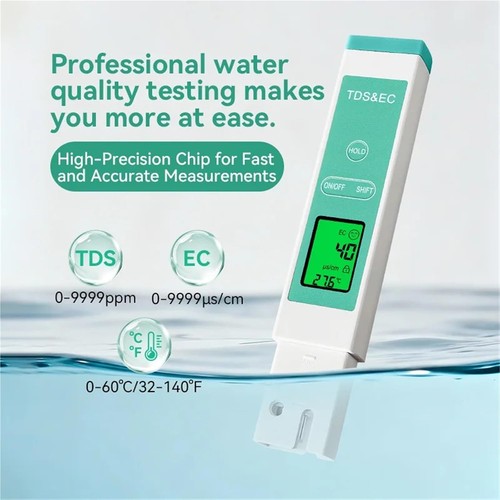
The HM Digital TDS-EZ is the go-to for anyone who wants to monitor mineral content or check the effectiveness of water conditioners and remineralizers. With a range from 0 to 9990 ppm, it covers everything from ultra-pure RO water up to hard tap sources. The 10 ppm resolution is sufficient for typical aquarium use—most planted tanks run between 100–400 ppm, and you’ll spot any big swings easily. This meter doesn’t measure pH, so it’s not the right tool for tracking acid/alkaline changes, but for TDS it’s widely regarded as the most reliable at this price point.
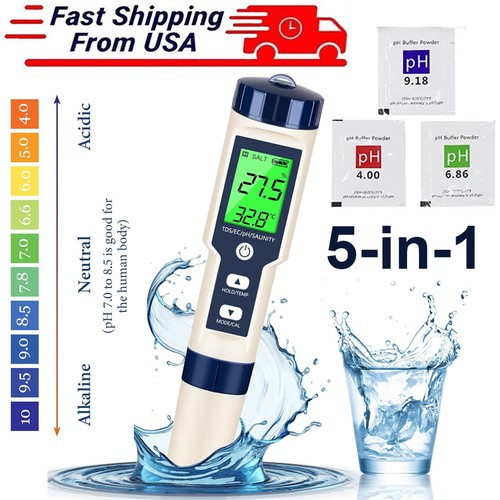
The VIVOSUN PH Meter is the better pick if your main concern is pH stability—vital for softwater species, shrimp, and CO2 injected tanks. Its 0.01 pH resolution helps you catch even small pH shifts, and the 0.00–14.00 range covers all freshwater scenarios. Calibration is required for accuracy (most digital pH pens need this monthly), but the VIVOSUN is popular for its straightforward operation and low cost. If you’re not remineralizing or managing conductivity, you may never need a TDS meter at all.
Accuracy and calibration differences
Accuracy is only as good as your calibration habits. The HM Digital TDS-EZ is factory calibrated and rarely needs adjustment—just rinse and store dry. The VIVOSUN PH Meter, like all digital pH pens, requires regular calibration with buffer solutions (typically at pH 4.00, 6.86, and 9.18) to stay within its 0.01 pH spec. Neglecting this leads to drift and unreliable readings, especially in tanks with high organics or after heavy fert dosing. Always factor in the cost and effort of calibration solutions when choosing a digital pH tester.
The TDS-EZ’s 10 ppm resolution is adequate for aquariums, but it won’t show ultra-fine changes—if you want to spot a 3 ppm difference, you’ll need a lab-grade meter (at much higher cost). For most home setups, you’re watching for trends, not single-digit shifts.
Durability and ease of use
Both testers are compact, battery-powered, and take direct readings from a sample cup or tank. The TDS-EZ is well known for its ruggedness and straightforward one-button operation—no calibration, just dip and read. The VIVOSUN PH Meter is lighter and slimmer, but more sensitive to rough handling and water ingress; always cap and dry after use. Batteries for both are standard button cells, easy to replace.
Neither device is waterproof beyond splash resistance. Dropping either in the tank is likely to end its life—use a lanyard or keep a steady hand. For tanks with kids or heavy maintenance, the TDS-EZ’s build quality is a plus.
When a TDS meter makes sense
If you’re running an RO/DI system, remineralizing for shrimp or sensitive species, or managing blackwater setups, tracking TDS is essential. High TDS can indicate fertilizer overdosing, salt creep, or ineffective water changes. The HM Digital TDS-EZ remains a staple in these scenarios because it’s fast, simple, and consistent. For tap-water-only tanks with stable bioloads, though, you may find TDS readings less actionable than pH—many hobbyists check TDS monthly or after major changes rather than daily.
For more on how TDS affects aquatic life and plant growth, see the American Aquarium Products water chemistry section.
When a digital pH tester is the better buy
pH drifts quickly in tanks with active substrates, botanicals, or CO2 injection. If you keep softwater fish, wild-caught species, or breed shrimp, even small pH swings can cause problems. The VIVOSUN PH Meter’s 0.01 pH resolution lets you catch subtle changes that paper strips or liquid kits can’t show. For everyday tank maintenance, it’s much faster than waiting for a color change. Expect to calibrate regularly, especially if you test multiple tanks or adjust CO2 frequently.
For a deeper dive on pH management in planted aquariums, the Aquarium Science pH guide covers methods and pitfalls in more detail.
Beginner’s pre-purchase checklist
- Decide which parameter matters most for your tank: TDS (mineral content) or pH (acidity/alkalinity).
- Check if your tap water is already within your target range—test strips or liquid kits can give a baseline before investing.
- Measure the storage space in your aquarium cabinet or toolbox—both testers are compact, but keep them dry and away from splashes.
- Budget for calibration solutions if choosing a digital pH tester—most pens require monthly recalibration for accuracy.
- Read your filter and fertilizer labels to see if TDS or pH is directly referenced in dosing instructions.
- Ensure you have fresh button cell batteries on hand; both testers rely on these and they drain faster with frequent use.
- Plan for periodic cross-checks with a backup method (test strips or liquid kits) to spot-check digital accuracy.
FAQ: digital water quality testers for aquariums
Which is more important for planted tanks: TDS or pH?
For most hobbyists, pH is the daily concern—especially if you use CO2 or keep sensitive species. TDS mainly matters when remineralizing, troubleshooting algae, or running RO water. Many aquarists use both, but if you have to pick one, start with pH monitoring.
How often do I need to calibrate the VIVOSUN PH Meter?
Digital pH pens like the VIVOSUN should be calibrated at least once a month, or any time you suspect readings are off. Heavy use, high organic load, or frequent tank testing may require calibration every 2–3 weeks. Always use fresh buffer solutions for best results.
HM Digital TDS-EZ vs VIVOSUN PH Meter — which is better for new aquarists?
The right pick depends on your setup. If you’re just starting with tap water and hardy fish, the VIVOSUN PH Meter is more useful for catching pH swings. If you plan to use RO/DI water or keep shrimp, the HM Digital TDS-EZ gives you the data needed to remineralize properly. Both are simple to use, but focus on the parameter you actually need to measure.
Are digital testers more accurate than test strips?
Digital testers typically offer finer resolution than strips—0.01 pH for digital pens vs. 0.5–1.0 pH for strips. TDS meters are also more precise than dip strips, which only show broad ranges. However, digital accuracy depends on regular calibration and proper use; neglecting this can make them less reliable than well-used liquid kits.
What maintenance do these testers require?
The TDS-EZ needs little upkeep—just rinse after use and store dry. The VIVOSUN PH Meter requires regular calibration with buffer solutions and occasional electrode cleaning. Both need battery replacements when readings become unstable or the display dims. Avoid submerging them past the recommended depth to prevent damage.
Can these testers be used for saltwater tanks?
Both testers are primarily intended for freshwater use. The HM Digital TDS-EZ can measure TDS in saltwater, but readings may be less accurate at very high salinities. The VIVOSUN PH Meter covers the full pH range, but saltwater calibration and care are more demanding. For reef tanks, consider a meter specifically rated for marine use.
How we selected these digital testers
This guide focused on digital testers that measure the two most critical aquarium parameters—TDS and pH—using current, manufacturer-listed specs and market reputation as a filter. Criteria included measurement range (0–9990 ppm for TDS, 0.00–14.00 for pH), resolution (10 ppm or 0.01 pH), the frequency and ease of calibration, and real-world suitability for home aquariums. Only well-established, single-purpose devices were considered, as combo meters in this price range are typically less accurate or lack clear support.
We excluded unbranded generic meters, combo testers with unclear calibration instructions, and bundled kits that obscure the core device’s specs. The shortlist only includes products with clear manufacturer support and a track record of use in the aquarium hobby.
If you’re looking to monitor ammonia, nitrite, or nitrate, or need automated multi-parameter logging, these testers aren’t the right fit—dedicated liquid kits or higher-end digital monitors are better suited for advanced setups or large fishrooms.
The bottom line: choose the data that matters
For most planted or community tanks, a reliable digital pH tester like the VIVOSUN is the most practical investment: it’s fast, accurate, and makes daily adjustments easier. If you’re managing remineralization or want to catch rising TDS before it causes problems, the HM Digital TDS-EZ is the standard-bearer. Pick the tester that matches your tank’s needs and your maintenance habits—don’t buy both unless you’re actively tracking both parameters. As with all gear, calibration and routine care matter more than brand alone.
Last updated: July 2026 · How we put guides together