Disclosure: As an Amazon Associate, we earn from qualifying purchases. This doesn’t affect what we recommend or how we describe it.
8 min read
Choosing the best rocks for aquarium hardscape is the backbone of any successful planted tank or aquascaped setup. The right stones don’t just provide structure and visual impact—they also affect water chemistry, plant health, and long-term maintenance. Many aquarists find themselves second-guessing which rocks are safe, how they’ll look underwater, and whether they’ll change their water parameters. Getting these choices right from the start saves time, money, and frustration down the line. For more detail, see Aquarium-safe rocks guide.
What Most Aquascapers Want from Hardscape Rocks
Search intent for “best rocks for aquarium hardscape” is practical and comparison-driven. Most readers are beginner to intermediate hobbyists, looking for proven rock types that are safe for freshwater planted tanks. They want to know:
- Which rocks are inert vs. those that alter water chemistry
- How to match rock types to aquascaping styles (Iwagumi, nature, jungle, etc.)
- The impact of rock size, texture, and color on layout and plant growth
- How to avoid common mistakes like leaching, sharp edges, or introducing contaminants
Experienced aquascapers also look for details: how certain rocks interact with CO₂ injection, which stones support epiphytic plants or mosses, and how to combine rocks with driftwood for a stable, natural-looking scape.
Top Rock Types for Freshwater Hardscaping: Real-World Pros and Cons
Not all rocks are created equal for aquarium use. Here’s a practical breakdown of the most popular—and proven—choices for planted tank hardscapes, with specific details on appearance, chemistry, and handling.
-
Seiryu Stone
Appearance: Blue-gray with dramatic white veins, rugged texture.
Water Chemistry: Slightly raises pH and GH (typically 0.5–1.5 points in soft water).
Ideal For: Iwagumi layouts, focal points.
Sizes Available: Ranges from 5 cm chips to centerpiece stones over 30 cm.
Notes: Use with buffering substrate if you keep softwater species. -
Dragon Stone (Ohko Stone)
Appearance: Brown-green, highly porous, “cratered” surface.
Water Chemistry: Inert—does not change pH or hardness.
Ideal For: Nature-style scapes, moss attachment.
Sizes Available: Pieces from 6–40 cm; easy to break for custom shapes.
Notes: Rinse thoroughly; clay dust is common. -
Ryuoh Stone
Appearance: Gray-white, rough ridges, subtle veins.
Water Chemistry: Can slightly raise pH/GH, but less than Seiryu.
Ideal For: Minimalist and high-contrast layouts.
Sizes Available: 8–25 cm typical; larger pieces harder to find.
Notes: Edges can be sharp—blunt with a hammer if needed. -
Pagoda Rock
Appearance: Layered tan/brown, striated, sedimentary look.
Water Chemistry: Inert.
Ideal For: Natural riverbank themes, terracing.
Sizes Available: Flat slabs 10–30 cm.
Notes: Stackable; stable for shrimp and small fish. -
Black Lava Rock
Appearance: Matte black, porous, lightweight.
Water Chemistry: Inert.
Ideal For: Jungle tanks, moss walls, hardscape “skeletons.”
Sizes Available: 5–25 cm chunks; can be broken easily.
Notes: Surface is rough but safe for most fish. -
River Stones (Polished or Natural)
Appearance: Rounded, various grays/tans; smooth.
Water Chemistry: Usually inert (test before use).
Ideal For: Biotope tanks, bottom accents.
Sizes Available: 2–15 cm typical.
Notes: Avoid limestone-based varieties for softwater tanks.
See today’s deals on a variety of aquarium-safe rocks and compare stone types for your next hardscape.
Comparison Table: Key Aquarium Hardscape Rock Types
| Rock Type | Typical Size Range | pH/GH Impact | Texture | Best For | Special Handling |
|---|---|---|---|---|---|
| Seiryu Stone | 5–30+ cm | Raises pH/GH (0.5–1.5 points) | Rugged, veined | Iwagumi, focal points | Rinse, buffer for softwater |
| Dragon Stone | 6–40 cm | Inert | Porous, cratered | Nature-style, moss | Thorough rinse (clay dust) |
| Ryuoh Stone | 8–25 cm | Slight pH/GH rise | Rough, ridged | Minimalist, contrast | Blunt sharp edges |
| Pagoda Rock | 10–30 cm | Inert | Layered, stackable | Riverbank, terracing | Stack with care |
| Black Lava Rock | 5–25 cm | Inert | Porous, matte | Jungle, moss walls | Rinse, handle gently |
| River Stone | 2–15 cm | Usually inert (test) | Smooth, rounded | Biotope, bottom | Test before use |
How Rocks Affect Water Chemistry in Planted Tanks
One of the most common mistakes is using decorative rocks that slowly alter your water parameters. For example, Seiryu and Ryuoh stones both contain calcium carbonate, which will steadily increase both pH and general hardness (GH) in soft, low-mineral water. In a 60-liter tank, a 5 kg load of Seiryu can raise pH by 0.8–1.2 points over several weeks—enough to make a difference for sensitive fish or demanding plants like Tonina or Rotala.
Inert rocks (Dragon Stone, lava rock, pagoda, most river stones) are the safest bet if you want stability. Always avoid rocks that fizz when you drip vinegar or hydrochloric acid on them—this signals limestone or other carbonates that will leach minerals into the water.
For CO₂-injected tanks, even minor pH and KH shifts can affect plant growth and the efficiency of your gas system. Buffering substrates can help offset alkaline rock, but it’s easier to choose inert stones when possible.
Visual Impact: Matching Rock Types to Aquascape Styles
Different aquascaping styles call for specific rock characteristics. Here’s how to match your selection to your layout goals:
- Iwagumi: Needs stones with strong lines, contrast, and presence—Seiryu and Ryuoh are classic, but large Dragon Stone can work for earthy, softer looks.
- Nature-style: Looks best with a mix of textures and natural, weathered shapes. Dragon Stone and pagoda rock blend well with driftwood and epiphyte plants.
- Jungle and Dutch: Rocks play a supporting role—lava rock and river stones are ideal for anchoring plants and creating subtle depth.
- Biotope: Match rocks to the native habitat. For Southeast Asian or Amazonian setups, smooth river stones or dark lava rock create authenticity without raising hardness.
Compare options for hardscape stones that fit your tank size and layout vision.
Choosing the Right Size and Quantity for Your Tank
Proportion is everything in aquascaping. For a balanced look, the main “focal” stone should be roughly two-thirds the height of your tank—so for a standard 45 cm tall tank, aim for a 28–32 cm piece. Supporting stones should scale down in odd-numbered groups (e.g., one main, three medium, five small). For a typical 60-liter (24-inch) tank, 5–8 kg of rock is a realistic starting point.
Don’t overcrowd: leave at least 30–40% open substrate for planting. Smaller tanks (nano cubes under 30 liters) do best with one or two feature stones under 15 cm, plus a handful of accent pebbles. Remember, heavily textured rocks like Dragon Stone and lava rock provide more surface area, so you can use less volume for the same visual impact.
Prepping and Testing Rocks Before Adding to Your Aquarium
Even “aquarium-safe” rocks need cleaning and sometimes testing:
- Soak and Scrub: Use a stiff brush to remove dirt and loose material, then soak for 24–48 hours in a separate container. Change the water once or twice.
- Acid Test: Drip a few drops of white vinegar or dilute muriatic acid on a dry section. Any fizzing means the rock contains carbonate—avoid for softwater setups.
- Rinse Again: Especially for Dragon Stone, which often sheds clay residue.
- Edge Check: Blunt sharp points with a hammer for fish safety, especially with Ryuoh and Seiryu.
View what’s available for pre-washed, aquarium-ready rocks in sizes tailored to your tank.
Combining Rocks with Driftwood and Plants
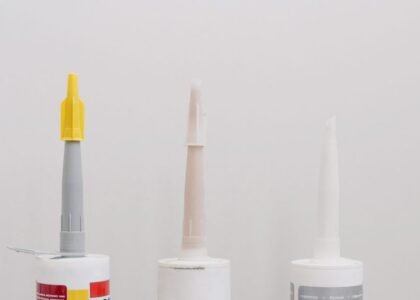
Mixing hardscape materials adds realism and depth, but stability matters. Always place the largest rocks first, directly on the tank bottom (never on top of substrate alone). Use smaller rocks to wedge and support driftwood or to create terraces for planting. Porous rocks like lava and Dragon Stone are ideal for attaching mosses, Anubias, or Bucephalandra—use cyanoacrylate gel or fine fishing line to secure plants until roots take hold.
For stability, avoid stacking more than two layers of flat rocks without support. In larger tanks (over 100 liters), consider using aquarium-safe epoxy putty to anchor complex structures.
Common Pitfalls: Rocks to Avoid in Planted Tanks
Not every attractive stone is safe for aquariums. Avoid:
- Marble, limestone, and dolomite: These leach calcium carbonate, raising pH/KH well beyond what most freshwater plants and fish prefer.
- Unknown “yard rocks”: Unless you can ID the mineral content and test for carbonates, skip them.
- Colored or coated landscaping rocks: Paints and dyes can leach toxins. Only use rocks sold specifically for aquarium use.
Always test a small sample before committing to a full scape.
FAQ: Practical Answers for Aquascaping with Rocks
Will these rocks harm shrimp or sensitive fish?
Most inert rocks (Dragon Stone, lava rock, pagoda, river stones) are 100% shrimp-safe and fine for sensitive species. However, Seiryu and similar stones can raise hardness—always monitor TDS and GH if you keep Caridina shrimp or softwater fish.
How much rock do I need for a standard 60-liter planted tank?
For strong hardscape lines, 5–8 kg total is typical. Main stones should be 20–30 cm, with smaller support pieces. For minimal layouts, even 3–4 kg can suffice if you choose bold, sculptural pieces.
Can I use rocks found outdoors in my aquarium?
It’s possible but risky. Only use rocks you can positively identify as inert (e.g., granite, basalt, quartzite) and always acid-test for carbonates. Boil or soak thoroughly to remove contaminants. Avoid unknown rocks from roadsides or areas with chemical runoff.
Do I need to glue or secure rocks together?
For most layouts, gravity and careful placement are enough. For stacked or vertical structures, use aquarium-safe epoxy putty or cyanoacrylate gel. Never rely on unstable piles—fish and shrimp can be injured by collapses.
Will rocks affect my CO₂ system or fertilization?
Rocks that raise KH (like Seiryu) can buffer pH upward, requiring slightly more CO₂ to reach the same target drop. Inert rocks have no effect. Rocks with high surface area (lava, Dragon Stone) can host beneficial bacteria, aiding in nutrient cycling.
How do I clean algae or biofilm off my hardscape rocks?
Manual brushing with a soft toothbrush during water changes works well. For stubborn green spot or black beard algae, spot-treat with a small syringe of diluted liquid carbon (never exceed label dosages). Avoid removing rocks for cleaning unless absolutely necessary—disturbing the layout can uproot plants.
Smart rock selection is the foundation of any successful aquascape. With the right choices, your hardscape will stay stable, safe, and visually striking for years to come.
Related Guides
- Aquarium Cooling Fans That Actually Work: A No-Nonsense Guide
- The Best Aquarium CO2 Regulators, Reviewed for Planted Tanks
- Root Tabs for Aquarium Plants That Actually Work
- The Best Hang-On-Back Aquarium Filters, Reviewed and Compared
- Inline Aquarium Heaters That Are Worth It: Our Honest Reviews
- Browse all Aquascaping Tools →