
8 min read
Disclosure: As an Amazon Associate and eBay Partner Network publisher, we earn from qualifying purchases. This doesn’t affect what we recommend or how we describe it.
How do you actually swap out filter media in your planted tank without wrecking your water quality, losing beneficial bacteria, or stressing your fish? The answer depends on your filter type, the age and layout of your tank, and what you’re replacing—mechanical, biological, or chemical media. This guide breaks down exactly how to replace filter media in a typical home freshwater aquarium, with a focus on planted setups and the real gear choices you’re likely to face.
What most aquarists really want to know
Most people searching for “how to replace filter media” are home hobbyists—often beginners or intermediate keepers—who want to avoid common mistakes that can harm livestock or plants. You’re likely asking:
- How do I avoid losing beneficial bacteria during media changes?
- How often should each type of media be replaced?
- What order do I swap media in, and can I do it all at once?
- Are there practical tricks for different filter types (hang-on-back, canister, sponge)?
- What’s the best way to keep costs down without sacrificing water quality?
Below, you’ll find straightforward, experience-based answers with concrete numbers and tips that work in real planted tank scenarios.
Different filter media setups compared
| Configuration | Best For | Media Capacity | Ease of Access | Typical Replacement Interval |
|---|---|---|---|---|
| Hang-on-back (HOB) with cartridge | Small tanks (10–30 gal) | 200–500 ml | Very easy | 2–4 weeks (mechanical); 2–3 months (chemical) |
| Canister with modular trays | Medium-large tanks (20–75 gal) | 1–3 liters | Moderate | 4–8 weeks (mechanical); 6–12 months (bio) |
| Internal sponge filter | Nano tanks, shrimp tanks | 50–150 ml | Easy | 6–12 months (sponges) |
| HOB with loose media basket | Versatile, planted tanks | 250–600 ml | Easy | 4–8 weeks (mechanical); 6+ months (bio) |
| Canister with prefilter sponge | Heavily stocked tanks | 1–2 liters + 100–200 ml prefilter | Challenging | 2–4 weeks (prefilter); 6–12 months (bio) |
| Mattenfilter wall | Breeder, long tanks | 500–2000 ml | Moderate | 12–24 months (sponge sheet) |
How different filter designs impact your media replacement plan
Each filter type changes how you approach media swaps. For instance, a hang-on-back unit with disposable cartridges is quick to service, but costs add up and you risk losing beneficial bacteria if you toss everything at once. In contrast, a canister filter with modular baskets lets you stagger replacements, preserving your biofilter, but it takes more time to break down and reassemble—expect 15–30 minutes per service.
For planted tanks, flexibility is key. Many aquascapers retrofit HOBs with loose media baskets or swap out cartridges for reusable sponge and ceramic rings, which can last 6–12 months. This reduces waste and cost, letting you see today’s deals on bulk media that fits your setup.
How to replace filter media: step-by-step guide
- Unplug the filter and prepare your workspace. Always disconnect from power before opening any filter. Lay down towels and have a bucket of tank water ready for rinsing media.
- Open the filter and assess each media stage. Identify mechanical (sponge/floss), biological (ceramic, bio-balls), and chemical (carbon, resin) sections. Note which look clogged, discolored, or exhausted.
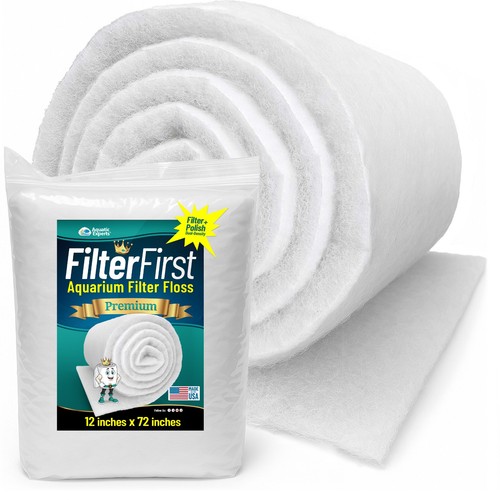
- Replace or clean mechanical media first. Rinse sponges or pads in tank water (never tap) to preserve bacteria. If a pad is falling apart, replace only half at a time for multi-stage filters.
- Stagger biological media changes. Only replace bio-media if it’s crumbling. Otherwise, gently rinse in tank water. For two baskets, alternate changes at least 4 weeks apart to avoid bacteria loss.
- Swap out chemical media as needed. Carbon or resin pouches last 2–6 weeks. Remove expired chemical media entirely if you’re not targeting a specific problem (like tannins or medication removal).
- Reassemble and restart the filter. Ensure all baskets and seals are secure. Prime the filter if needed. Plug back in and check flow within 5 minutes—re-seating sponges may be necessary if output seems weak.
Following this order minimizes disruption to your beneficial bacteria, especially critical in planted and established tanks.
Timing and frequency: what actually matters
Mechanical media (sponges, pads) usually need the most frequent attention—every 2–6 weeks, depending on stocking and plant debris. Biological media, like ceramic rings or bio-balls, can go 6–12 months or even longer if not physically breaking down. Chemical media (carbon, phosphate removers) should be replaced based on manufacturer specs, but for most planted tanks, they’re optional unless you have a specific issue to solve.
Never replace all media types at once. For example, in a typical 20-gallon planted tank with a canister filter, swap out only one tray of sponge or pad per month, and stagger bio-media changes at least 4 weeks apart. This keeps your nitrogen cycle stable.
For more on the nitrogen cycle and bacterial colonization, see the Association of Zoos and Aquariums for science-backed basics on aquarium filtration.
Quick decision tree
- If you use disposable cartridges: Change only the mechanical pad, and seed the new cartridge by running it alongside the old one for 1–2 weeks.
- If you have a canister with loose media: Rinse or replace one type of media per service; never all at once.
- If your filter is a sponge or Mattenfilter: Squeeze in tank water monthly; replace only when it won’t rebound after cleaning.
- If heavy plant debris clogs the filter every 2 weeks: Consider adding a prefilter sponge to extend main media life.
- If budget is tight: Buy bulk sponge and ceramic media, cut to fit your filter; avoid proprietary cartridges.
Related Guides
- How to Replace Aquarium Filter Media: A Step-by-Step Guide
- Pre-Filter Sponges: What to Look For and What to Avoid
- Canister Filter vs Sump Filter: Which Is Better for Your Aquarium?
- Hang-On-Back Filter vs Canister Filter: Which Is Right for Your Aquarium?
- How to Set Up a Double Sponge Filter: Step-by-Step Guide
- Our guide to Should You Leave Your Aquarium Filter On at Night?
Why you should never swap all media at once
Replacing all filter media simultaneously is the fastest way to crash your biological filter. Beneficial bacteria live on every surface of mature media, especially in bio-ceramic or sponge. Removing everything at once can spike ammonia and nitrite, stressing or killing fish and plants. Instead, stagger replacements, and always keep at least 50% of established media running at any time.
Even “pre-seeded” media from the store can’t instantly replace a mature colony. For tanks under 30 gallons, a single sponge or basket of ceramic rings can contain millions of nitrifying bacteria—more than enough to keep your tank stable, provided you don’t disturb it all at once.
FAQ: Common filter media replacement questions
How often should I replace filter media in a planted tank?
Mechanical media like pads or sponges should be rinsed every 2–4 weeks and replaced every 3–6 months, depending on clogging and breakdown. Biological media can last 6–12 months or longer. Chemical media (like carbon) is typically replaced every 4–6 weeks, but is optional in many planted setups.
Can I clean filter media with tap water?
No. Chlorine and chloramine in tap water can kill beneficial bacteria. Always rinse filter media in water taken from your aquarium during a water change to protect your biofilter.
Is it better to use cartridges or loose media baskets?
Loose media baskets are usually more cost-effective and flexible. Cartridges are convenient but expensive over time and can cause mini-cycles if replaced all at once. For planted tanks, reusable sponge and ceramic media are almost always the better long-term choice. Compare options for different filter media formats.
How long does biological filter media last?
Quality ceramic rings or bio-balls can last 12 months or more, sometimes several years, unless they physically crumble or clog. Only replace when the media is breaking down or can’t be cleaned effectively. Stagger replacements to avoid losing your bacterial colony.
Can I replace all media at once if my filter is clogged?
It’s risky. Instead, replace the most clogged mechanical media, but leave biological media in place. If flow is still poor, service the filter more frequently or add prefilter sponges to reduce debris buildup.
What should I do if new media doesn’t fit my filter?
Cut sponges or pads to size with scissors. Most ceramic or bio media can be portioned to fit baskets. Avoid overpacking—leave some space for water to flow evenly. When in doubt, check the filter’s manual for capacity limits or see what’s available for aftermarket media sizes.
Is there a warranty or return concern with aftermarket media?
Most filters retain their warranty as long as the housing isn’t modified. Using non-proprietary media doesn’t usually void coverage, but check your manual for exceptions. Buy from reputable sources that accept returns in case of fit or compatibility issues.
Can I run a planted tank with just sponge media?
Yes, especially in low-stocked or nano tanks. Sponge provides both mechanical and ample biological filtration when cleaned properly. For high bioload or larger setups, supplement with ceramic or sintered glass media for extra surface area.
Cost-saving tips for filter media replacement
Buy bulk sponge and ceramic bio-media, then cut or portion them to fit your filter. This reduces waste and cost compared to proprietary cartridges. Reusable sponges last 6–12 months or more when rinsed regularly. For canisters, prefilter sponges catch debris before it clogs your main media, extending service intervals. Watch out for “all-in-one” cartridges that force you to replace biological and mechanical media at once—these are less efficient and more expensive over time. Check current prices for bulk and generic filter media options.
Further reading and trusted resources
For more technical details and standards on aquarium filtration, see the British Aquarist Society. Their guidelines on filter sizing and maintenance are widely respected in the hobby. For plant-specific care and filtration synergy, the Aquatic Gardeners Association is another excellent authority.



Last updated: June 2026 · How we put guides together