7 min read
Disclosure: As an Amazon Associate and eBay Partner Network publisher, we earn from qualifying purchases. This doesn’t affect what we recommend or how we describe it.
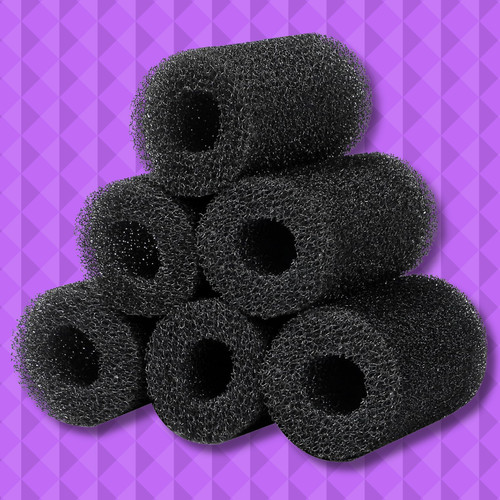
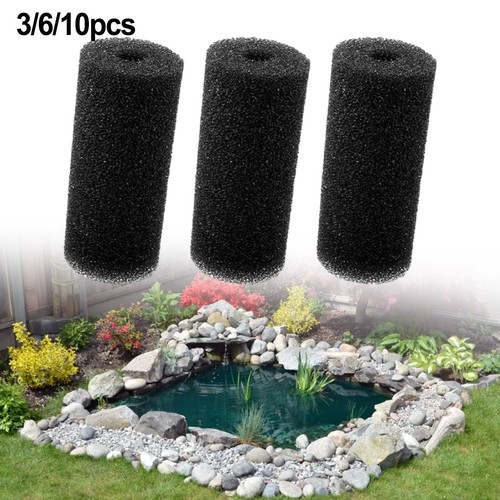
Will a pre filter sponge actually keep shrimp and fry safe, or does it just clog up and slow your filter? That’s the real-world question when you’re choosing between budget packs and brand-specific sponges. The answer depends on the fit, pore size, and how much maintenance you’re willing to do. With just two well-positioned options on today’s market—the Fluval Edge Pre Filter Sponge and the AQUANEAT 6-Pack Pre-Filter Sponge for Aquarium Shrimp Fry Fish Tank Filter—your choice comes down to exact compatibility versus broad utility and cost.
Top picks at a glance
- Fluval Edge Pre Filter Sponge — best for Fluval Edge owners
- AQUANEAT 6-Pack Pre-Filter Sponge for Aquarium Shrimp Fry Fish Tank Filter — the budget pick for general use
The spec almost nobody talks about: fit and pore size
Most aquarium owners focus on price or brand, but the real deal-breakers are how well the sponge fits your filter intake and the size of its pores. Too loose, and debris sneaks by. Too tight or fine, and you’re cleaning it every few days. For tanks with shrimp or baby fish, a sponge with pores in the 30–50 pores per inch (PPI) range balances mechanical filtration and flow. The Fluval Edge Pre Filter Sponge is designed for a specific intake and hits that mark for small setups, while the AQUANEAT pre-filter sponge offers a multi-pack with a more general fit—ideal if you’re running several tanks or have different filter brands.
Side-by-side: which pre filter sponge matches your tank?

Pictured: Fluval Edge sponge
| Product | Condition | Price | Best For | Pore Size (PPI) | Pack Size |
|---|---|---|---|---|---|
| Fluval Edge Pre Filter Sponge |
New | $ | Fluval Edge owners | ~40 PPI | 1 |
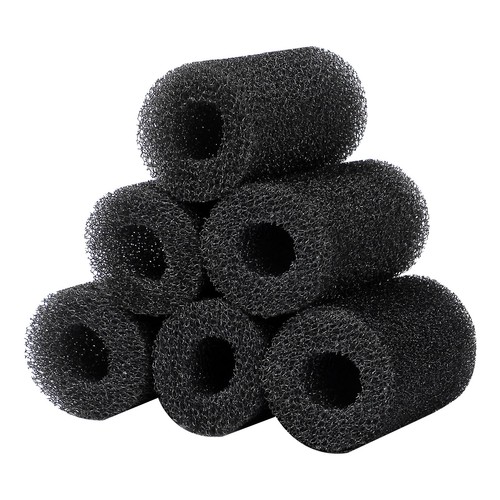 AQUANEAT 6-Pack Pre-Filter Sponge for Aquarium Shrimp Fry Fish Tank Filter AQUANEAT 6-Pack Pre-Filter Sponge for Aquarium Shrimp Fry Fish Tank Filter |
New | $$$ | Budget pick for general use | ~30–40 PPI | 6 |
The price column compares within this guide: $ is the budget end, $$ mid, $$$ premium. For exact, up-to-date prices, see the live listings lower in the article.
What most buying guides get wrong about pre filter sponge maintenance
Plenty of guides gloss over how often you’ll actually need to clean these sponges. Finer pores trap more debris but clog much faster—sometimes in under a week in a well-stocked planted tank. The Fluval Edge sponge, with its single-unit packaging and tight fit, tends to fill up quickly in tanks that get heavy feeding or have a lot of plant debris. The AQUANEAT pre-filter sponge, sold in a six-pack, gives you the option to swap out a dirty one immediately and clean spares in batches. This matters if you’re running more than one tank or just want to avoid downtime when a sponge needs a deep rinse.
For tanks with high bioload (lots of fish or messy eaters), you’ll likely be rinsing any sponge weekly. In low-stocked shrimp tanks, every two weeks is realistic. Always rinse in tank water, not tap, to preserve beneficial bacteria. For further reading on biological filtration and maintenance, the American Aquarium Products site has an accessible section on filter media care.
How we narrowed it down: criteria for this shortlist
Selection focused on four decision-critical criteria: fit/compatibility, pore size (PPI), pack size for cost-effectiveness, and suitability for shrimp or fry tanks. Sponge dimensions and listed fit were checked against typical filter intake sizes for small to mid-sized tanks (e.g., 0.5–1 inch diameter). Pore size was prioritized in the 30–50 PPI range to block baby fish and shrimp while maintaining reasonable flow. Only products with clear manufacturer specs and a proven market track record were included. Unbranded listings, bundles with unclear sizing, and generic sponges with no stated PPI were excluded to avoid unreliable fit and performance.
This guide is not for those running high-flow canisters or large predator tanks—pre filter sponges in this size range are for small to medium aquariums (generally under 40 gallons) where protecting livestock and keeping intake debris to a minimum is the priority. If you need higher throughput or custom foam shapes, consider dedicated canister pre-filters or modular filter baskets instead.
Related Guides
Quick decision tree
- If you own a Fluval Edge tank: the Fluval Edge sponge is the only fit designed for your specific intake.
- If you want the best price per sponge and have multiple tanks or filters: the AQUANEAT pre-filter sponge 6-pack is most cost-effective.
- If you need a sponge for shrimp or fry protection on a non-Fluval filter: the AQUANEAT pre-filter sponge is the flexible choice.
- If you only need a single sponge and want a snug, factory-fit look: the Fluval Edge sponge is the tidiest solution.
- If you prefer to swap dirty sponges for clean ones between maintenance days: the AQUANEAT pre-filter sponge’s multi-pack wins out.
FAQ: real-world answers about pre filter sponges
How often should you replace or clean a pre filter sponge?
Most sponges need a rinse every 1–2 weeks, depending on tank stocking and feeding. With heavy bioload, expect to clean weekly. Replacement is rarely needed unless the sponge starts to break down—typically after 6–12 months of use with regular care.
Is the Fluval Edge sponge worth it over the AQUANEAT for non-Fluval tanks?
Not usually. The Fluval Edge sponge is tailored for the unique intake shape of the Fluval Edge series. For other filters, the AQUANEAT pre-filter sponge offers a more universal fit and a much better price per unit, especially if you have multiple tanks.
Will these sponges noticeably reduce filter flow?
All pre filter sponges slow flow somewhat, especially as they clog with debris. Finer pores (higher PPI) restrict flow more quickly. Both options here are in the 30–40 PPI range, so expect a modest drop that becomes significant if you skip regular cleaning. Rinse at least every two weeks to keep flow steady.
How can I be sure the AQUANEAT pre-filter sponge will fit my filter intake?
The AQUANEAT sponges are designed for typical small-to-medium filter intakes, usually around 0.5–1 inch diameter. Double-check your intake tube’s outer diameter before buying. Some trimming may be needed for a perfect fit, but most standard HOBs and internal filters are compatible.
Do either of these sponges remove ammonia or chemicals from water?
No—pre filter sponges are strictly mechanical and biological filtration. They trap debris and provide surface area for beneficial bacteria, but do not adsorb chemicals or ammonia. For chemical filtration, you’ll need activated carbon or other specialty media.
How long does a pre filter sponge last with weekly cleaning?
With weekly rinsing in tank water, most sponges last 6–12 months before losing shape or breaking down. The AQUANEAT six-pack can last a typical hobbyist several years, rotating through spares. Replace if the sponge begins to crumble or won’t stay on the intake securely.
What’s the best option to protect baby shrimp in a heavily planted tank?
The AQUANEAT pre-filter sponge is designed for shrimp and fry safety, with fine enough pores to prevent babies from being sucked in. Its multi-pack format is ideal if you run more than one tank or want to swap out a clogged sponge quickly. Just be diligent about regular cleaning to avoid flow reduction.
The verdict: which pre filter sponge is the smarter buy?
For Fluval Edge tank owners, nothing beats the fit and finish of the Fluval Edge sponge. For everyone else—especially if you want to protect shrimp, fry, or run several tanks—the AQUANEAT pre-filter sponge six-pack delivers the best cost-per-use and flexibility. Either way, stick to sponges in the 30–50 PPI range for the best balance of protection and flow, and plan on regular maintenance. For a deeper dive into filter media and tank setup best practices, the Aquarium Advice forums are a solid resource for real-world tips from experienced aquarists.
Still unsure? Browse more pre filter sponge options and customer reviews here.
Last updated: June 2026 · About our research