7 min read
Can you safely keep a fish tank without a lid, or will your fish end up on the carpet? The short answer: yes, it’s possible to run a freshwater aquarium without a lid, but it comes with real trade-offs that affect evaporation, fish safety, equipment choices, and even algae growth. This isn’t just a cosmetic decision—your approach impacts everything from water chemistry to the health of your livestock. Let’s dig into what actually happens when you go topless with your tank, and how to make an informed choice that suits your setup and experience level.
Why Some Aquarists Ditch the Lid (And What They Risk)
Open-top aquariums are common in modern aquascaping and planted tank setups, prized for their clean look and easier plant access. But skipping the lid isn’t just about aesthetics. Here’s what really changes:
- Evaporation rates increase dramatically—expect to top off 1-3% of your tank volume per day, especially in dry climates or with high-output lighting.
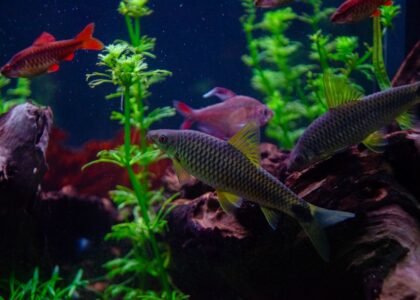
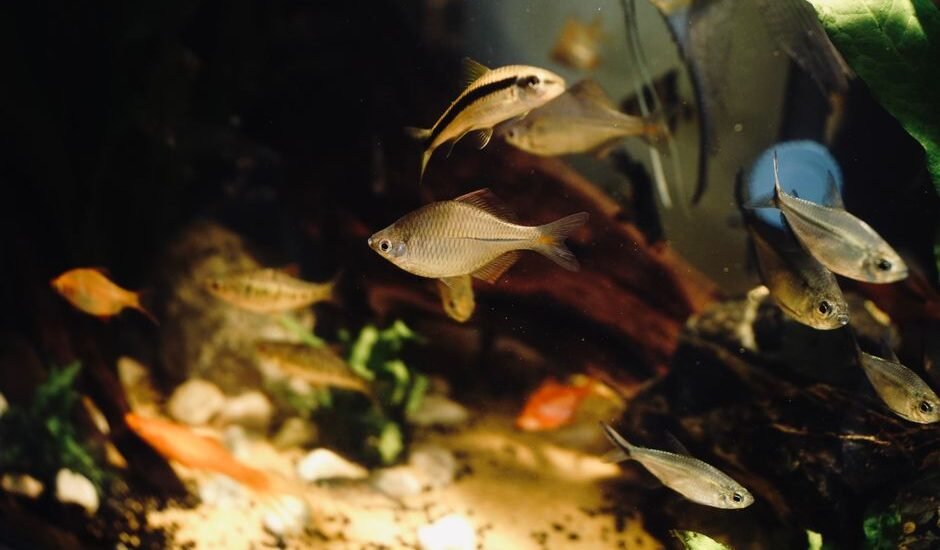
- Jumping risk for fish goes up. Many popular species (rasboras, danios, hatchetfish, some corydoras) are notorious for leaping, especially if startled.
- Water temperature fluctuates more, since there’s less insulation from the ambient room environment.
- Household contaminants (aerosols, dust, pet hair) have a clear path into your tank.
- Lighting options expand, since rimless tanks and open tops allow for sleek pendant or suspended fixtures, but you lose the option of resting a fixture directly on a plastic hood.
Understanding these impacts helps you weigh style and access against maintenance and livestock safety.
Comparing Open-Top, Glass Lid, and Plastic Hood Setups
| Approach | Evaporation Rate | Jumping Risk | Lighting Flexibility | Access for Aquascaping | Contaminant Control | Typical Use Case |
|---|---|---|---|---|---|---|
| Fully Open Top | High (up to 2–3% volume/day) | Very high | Maximum (pendant, suspended, clip-on) | Very easy | Low | Nature-style aquascapes, rimless tanks, advanced setups |
| Glass Lid | Low–moderate (0.5–1% volume/day) | Low (if full coverage) | Good (most lights rest on top or suspend above) | Moderate (lids can be heavy/awkward) | High | Planted tanks, community tanks, fishrooms |
| Plastic Hood (with built-in light) | Lowest (<0.5% volume/day) | Very low | Limited (only compatible fixtures fit) | Poor (small feeding flaps only) | Very high | Beginner setups, low-tech tanks, kids’ aquariums |
| Mesh Screen Lid | Moderate (1–1.5% volume/day) | Low–moderate (depends on fit and mesh size) | Good (most lights can rest above) | Easy | Moderate (dust/pet hair can get through) | Jump-prone fish, shrimp, nano tanks |
What Most Guides Miss About Evaporation (And Why It Matters)
Evaporation isn’t just an annoyance—it changes your tank’s chemistry over time. In an open-top tank, you’ll notice the water line drops quickly, especially in winter with indoor heating or in summer with fans running. For a 60-liter (16-gallon) tank, losing 1.5 liters per day isn’t unusual in a dry room. This means:
- You must top up with dechlorinated water frequently—every 2–3 days for smaller tanks, weekly for larger ones.
- Minerals and dissolved solids (like hardness, nitrate) stay behind as pure water evaporates. This concentrates them over weeks, so regular partial water changes (not just top-offs) are crucial.
- Automated top-off systems are much more common in open-top setups, but they add complexity and cost.
Many beginners underestimate how quickly evaporation shifts water parameters. If you’re running CO₂ injection, the gas escapes faster from an open top, meaning you’ll need to dial in your bubble rate and check pH drop more often.
Jumping Fish and Lidless Tanks: Real Risks and Workarounds
Some species are notorious for jumping, and it only takes one accident to lose a prized fish. Even “non-jumpers” can surprise you if startled by a sudden light, loud noise, or chasing tankmates. For example:
- Hatchetfish and killifish: can clear 4–6 cm above the surface with ease.
- Danios, rasboras, and rainbowfish: often leap when spooked or during feeding.
- Betta and gourami: labyrinth fish may jump if water quality dips.
Mesh covers (with 1/8” or 3 mm gaps) are a proven compromise for high-jumpers, keeping fish in while allowing for most of the open-top look and good gas exchange. For tanks with wood or emergent plants breaking the surface, carefully fitted glass lids or custom acrylic panels are the safest bet. Never rely on a tank rim alone—jumpers will find the smallest gaps.
Algae, Dust, and Other Open-Top Surprises
Open tanks get more light spillage, which can boost algae on glass and exposed hardscape. Dust, pollen, and pet hair settle faster, especially if your tank is near a window or in a high-traffic room. Aerosol sprays (cleaners, air fresheners, even cooking oil droplets) can reach the water and harm sensitive livestock or plants. If you’re keeping demanding species or rare invertebrates, a lid is cheap insurance against accidental contamination.
Related Guides
- How to Switch Aquarium Substrate Without Stressing Your Fish
- Our guide to What Is a Rimless Fish Tank, and Should You Get One?
- Our guide to What Is a Rimless Fish Tank—and Should You Choose One?
- Our guide to Choosing the Right Gravel Vacuum Cleaner for Your Fish Tank
- What Makes a Good Starter Fish Tank? A Guide for Beginners
- Aquarium Wave Makers Reviewed: What’s Worth Buying for Your Tank?
- Browse all Aquarium Tanks →
Quick answer at a glance
- Short answer: You can run a freshwater aquarium without a lid, but you must manage evaporation, jumping risk, and room contaminants more actively.
- Evaporation rates double or triple versus covered tanks—expect to add water every 2–3 days for small tanks.
- Some fish species will jump regardless of tank height—mesh screens or tight lids are essential for them.
- Open tops suit aquascaping and emergent plants but require more frequent water changes and cleaning.
- Room air quality matters much more with an open-top tank—avoid using sprays or cleaning chemicals nearby.
When a Lid Is Essential—And When You Can Skip It Safely
Lids are non-negotiable for tanks housing known jumpers, sensitive shrimp, or if young children or pets have access to the aquarium. If your tank sits under a heating or air conditioning vent, a lid also helps maintain stable water temperatures and prevents rapid evaporation. For low-tech, slow-growing setups or tanks with fish that rarely jump (such as most tetras, corydoras, and dwarf cichlids), you can often run lidless with minimal problem—provided you monitor water level and chemistry closely. Aquascapers who grow plants above the waterline (like Anubias, Bucephalandra, or emergent stems) often prefer open tops for ease of access and aesthetics, but they accept the extra maintenance as part of the hobby.
How to Keep a Lidless Tank Safe and Stable
Success with an open-top aquarium comes down to routine and vigilance. Here’s what experienced hobbyists recommend:
- Mark your water line with a piece of tape or a marker on the glass. Top off with dechlorinated water before the level drops more than 2 cm.
- Perform partial water changes (at least 25% every 1–2 weeks) to prevent mineral buildup from repeated top-offs.
- Install a mesh screen if you keep jump-prone fish, even if you love the open look. Mesh with holes smaller than 3 mm stops most small fish.
- Keep your tank away from kitchen, bathroom, or high-traffic areas to limit airborne contaminants.
- Adjust light height as needed to control algae and keep water temperature stable—open tanks lose heat quickly under strong lighting.
- Clean glass and exposed surfaces weekly, since dust and algae build up faster without a lid.
These steps become second nature over time, but they’re not optional if you want a thriving, low-stress tank without a lid.
FAQ: Common Questions About Lidless Aquariums
Is it safe to keep fish without a lid on the tank?
It’s safe for some setups, but only if you account for jumping risk and keep up with evaporation. Avoid lidless tanks for jump-prone fish or in homes with pets and small children. Mesh lids are a good compromise.
How much water will I lose to evaporation in an open-top tank?
Expect to lose 1–3% of your tank’s volume per day, or about 1–2 liters per week for a typical 60-liter aquarium. This can double in very dry rooms or with powerful lighting.
Do plants do better with or without a lid?
Many aquatic plants thrive in open-top tanks, especially species that send leaves or flowers above the waterline. However, some humidity-loving species (like certain mosses or emersed stems) may dry out without the extra moisture a lid provides.
Will my room get more humid if I run a tank without a lid?
Yes, but it’s usually only noticeable with multiple large tanks or in small, poorly ventilated rooms. Most single tanks under 100 liters won’t change room humidity enough to notice, but you’ll see more condensation near the tank.
Can I use a glass lid and still have good plant growth?
Yes, as long as you keep the glass clean so light can penetrate. Modern glass lids block very little light (typically less than 10%), so they’re compatible with most lighting setups.
What’s the best way to stop fish from jumping without ruining the open look?
Mesh screens made from clear polycarbonate or fine nylon are nearly invisible from a distance and do an excellent job stopping fish escapes. Look for mesh with holes smaller than 3 mm for small species.
Further Reading and Expert Resources
For more in-depth guidance on aquarium covers, fish behavior, and water chemistry, see the aquarium covers guide at Seriously Fish. The Practical Fishkeeping feature on aquarium lids is another trusted resource for comparing different approaches and troubleshooting common issues.
Last updated: July 2026 · About our research