8 min read
Yes, aquarium plants can grow in pots, and in many setups, this method offers distinct benefits for plant health, tank maintenance, and aquascaping flexibility. However, not every plant or aquarium style is suited to potted growth, and the details—such as pot material, substrate choice, and plant species—make a big difference in results. This guide unpacks the real pros, cons, and techniques for successfully growing aquarium plants in pots, so you can decide if this approach fits your tank and goals.
How potted aquarium plants work underwater
Potted aquatic plants are grown with their roots contained in a vessel—usually plastic or ceramic—filled with a nutrient-rich substrate. In home aquariums, this method keeps plant roots separate from the main tank substrate. Pots can be buried, hidden, or simply placed on the substrate surface. The plant’s leaves and stems grow out of the pot, while the roots remain confined. Water flows freely around both, delivering nutrients and oxygen. This setup mimics how commercial growers ship many aquatic plants, but you can also pot your own at home.
Key reasons for using pots include: limiting root spread, simplifying plant relocation, protecting sensitive roots from digging fish, and making cleanup or rescape easier. But the trade-offs—like root space limits and aesthetic challenges—mean it’s not always the best fit for every plant or tank.
Plant species that thrive in pots
Certain aquarium plants adapt especially well to potted growth. These are typically species with robust root systems and a preference for nutrient-rich substrates. Classic examples include:
- Cryptocoryne: These slow-growing plants benefit from deep, stable substrate—pots allow you to provide this even in tanks with shallow or coarse gravel.
- Amazon sword (Echinodorus): Swords develop extensive roots and are heavy root feeders. Large pots (8–12 cm diameter, 10+ cm deep) let them flourish without overrunning the tank.
- Barclaya, Aponogeton, and Nymphaea: Bulb or tuber species often send down deep roots; pots keep them contained and easier to remove if dormancy occurs.
Stem plants (like Ludwigia or Rotala) and epiphytes (like Anubias or Java fern) generally don’t benefit from pots, since they either root sparsely or attach to hardscape instead of rooting in soil. For these, standard planting or tying to wood/rock is better.
Pot materials and their effects on plant growth
The two most common pot types in aquarium use are inert plastic mesh pots and unglazed ceramic (terracotta) pots. Each has unique pros and cons:
- Plastic mesh pots: Usually 3–5 cm wide, these allow easy water flow and root penetration. They’re lightweight, don’t leach minerals, and are widely used by nurseries. Roots may grow out through the mesh, anchoring the pot to the substrate over time.
- Ceramic pots: Heavier and more stable, 5–10 cm diameter terracotta pots can be buried or left on the surface. Their porous walls allow some water and nutrient exchange, but roots cannot penetrate the sides. Avoid glazed ceramics unless you’re confident the glaze is aquarium-safe (no lead or copper).
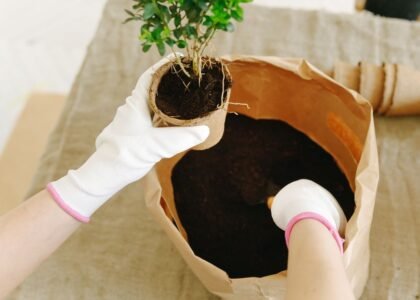
Peat pots and biodegradable fiber pots are less common. They can break down in months, releasing organics into the water—potentially spiking ammonia if not monitored. For long-term setups, stick to inert materials.
Substrate choices for potted aquarium plants
What you put inside the pot is just as important as the pot itself. The best results come from using a high-nutrient, aquarium-safe planting medium. Options include:
- Aquarium soil: Granular, clay-based soils (grain size 2–5 mm) support root growth and buffer nutrients. Fill pots to within 1–2 cm of the rim.
- Laterite or mineralized topsoil: For advanced hobbyists, these can be layered under inert gravel or sand. Use 2–4 cm of nutrient base, topped with 2–3 cm of fine gravel to prevent clouding.
- Root tabs: For coarse substrates, add 1–2 root fertilizer tabs per pot every 2–3 months to maintain nutrients.
Never use garden soil, standard potting mix, or non-aquarium fertilizers. These can release pesticides, ammonia, or other toxins.
Pot size and placement: how much space is enough?
Size matters. Too-small pots stunt root development and limit growth; too-large pots waste substrate and take up precious tank space. For most rooted aquarium plants:
- Small crypts and dwarf swords: 5–7 cm diameter, 6–8 cm deep
- Large swords and lilies: 8–12 cm diameter, 10–15 cm deep
- Bulb plants (Aponogeton, Nymphaea): Minimum 8 cm diameter, 10 cm deep
Pots can be partially buried to hide them, or camouflaged with rocks and wood. Just ensure at least the top 1–2 cm remains exposed so water can circulate and roots can “breathe.” For tanks with digging fish, deeper burial helps keep pots in place.
Comparison table: potted versus substrate-planted aquarium plants
| Approach | Root space | Ease of relocation | Fertilizer access | Maintenance frequency | Suitability for large plants | Impact on aquascape design |
|---|---|---|---|---|---|---|
| Potted plants | Limited by pot size (typically 5–12 cm diameter/depth) | Very easy; move or remove whole pot instantly | Concentrated in pot; add root tabs every 2–3 months | Low; clean pot exterior, trim roots if overgrown (every 6–12 months) | Excellent for large-rooted species | Visible pots unless buried/camouflaged; less natural look |
| Substrate-planted | Unlimited; roots spread throughout tank base | Difficult; uprooting disturbs substrate, clouds water | Relies on overall substrate richness; may need more frequent dosing | Medium; regular root pruning, substrate vacuuming (monthly) | Best for carpeting and small to medium plants | Natural appearance; seamless integration into aquascape |
Related Guides
- Our guide to How to Clean Aquarium Plants Before Planting: A Step-by-Step Guide
- Aquarium LED Lights for Plants That Actually Work
- Light Spectrum for Plant Growth: What Aquarium Plants Really Need
- Our guide to Which Root Tabs Actually Help Aquarium Plants Thrive?
- Aquarium Air Stones That Actually Work: Our Top Picks for Healthy Tanks
- Our guide to Aquarium Canister Filters That Actually Work: Top Picks for 2026
- Browse all Substrate Choices →
Common misconceptions about potted aquatic plants
It’s easy to assume that potted plants are only for temporary holding, but many hobbyists keep mature specimens in pots for years. Another myth: that potted aquarium plants are “safer” from fish. While pots protect roots from digging, they don’t shield leaves from nibblers or uprooters. Also, pots don’t eliminate the need for water column fertilization—plants with leaves above the substrate still benefit from liquid nutrients.
Finally, not all pots sold with aquarium plants are meant for permanent use. Some nursery mesh pots are flimsy or degrade after a few months. For long-term display, repotting into sturdier containers is worth the effort.
Real-world challenges: what can go wrong?
Root-bound plants are a common issue. If you notice roots circling tightly inside the pot, or growth slowing despite good light and nutrients, it’s time to upgrade to a larger pot or divide the plant. Stagnant water in buried pots can cause anaerobic (oxygen-poor) pockets, leading to root rot—avoid fully burying pots, and ensure water can flow freely around them.
Algae growth around the pot rim is another annoyance, especially if pots are exposed to strong light. Scrape algae gently or use a brush during water changes. If pots are visible and you want a more natural look, try camouflaging with stones or driftwood.
When it matters most
Potted aquarium plants aren’t just a novelty—they’re sometimes the best (or only) option for specific situations:
- Breeding and quarantine tanks: Pots allow you to add or remove plants without disturbing fish, eggs, or fry. This is crucial for sensitive species or fry that hide among roots.
- Frequent rescapes or plant swaps: If you like to change your aquascape often, potted plants make rearrangement mess-free and protect delicate root systems from repeated uprooting.
- Fish that dig or uproot: Cichlids, goldfish, and some loaches are notorious for disturbing substrate. Pots anchor plants and keep roots safe, letting you enjoy greenery even with “problem” fish.
- Low-tech tanks with inert substrate: Gravel or sand alone doesn’t support heavy root feeders. Potted plants let you provide rich substrate “islands” without a full tank overhaul.
- Display tanks in public or shared spaces: Potted arrangements allow for seasonal or themed plant swaps with minimal disruption—a practical choice for offices, schools, or waiting rooms.
Maintenance tips for healthy potted plants
Routine care keeps potted plants thriving. Every 6–12 months, check for root-bound growth and either repot or divide as needed. Replace or refresh the substrate if it becomes compacted or depleted. Insert new root tabs or slow-release fertilizer as required—usually every 8–12 weeks for most root feeders.
During water changes, gently vacuum around pots to remove trapped debris. Trim dead or damaged leaves to prevent decay. If algae grows on exposed pot surfaces, scrub lightly with a soft brush. For pots buried beneath the substrate, lift and inspect at least once a year to ensure roots haven’t escaped or become smothered.
FAQ: Potted aquarium plants explained
Do aquarium plants grow as well in pots as in tank substrate?
Growth rates are similar if the pot is large enough and the substrate is nutrient-rich. However, plants with extensive root systems may eventually outgrow small pots, so monitor root health and repot when needed.
Can you leave plants in the pots they’re sold in?
Short-term, yes. For long-term display, repotting into a larger or sturdier container with fresh substrate is usually best. Nursery pots are often too small or flimsy for mature growth.
Will potted plants float away or tip over?
If the pot is lightweight and not buried, strong currents or digging fish can move it. Use heavier ceramic pots or partially bury lightweight pots to keep them stable. Adding small stones inside the pot base can also help anchor them.
How deep should I bury a potted plant in my aquarium?
Bury pots so the rim is just at or barely below the substrate surface—usually 1–2 cm exposed. This allows water flow around the roots and prevents anaerobic conditions.
Do I need to fertilize potted plants differently?
Yes, root tabs or slow-release fertilizers should be added directly to the pot substrate every 2–3 months, since roots can’t access nutrients in the main tank substrate. Leaves still benefit from liquid fertilizers in the water column.
Is it safe to use outdoor terracotta pots in my aquarium?
Unglazed terracotta is generally safe after rinsing thoroughly. Avoid pots with unknown glazes or paints, as some can leach harmful substances. Always test a small sample if unsure.
Further reading and references
For more in-depth information on aquatic plant care and potting methods, visit Seriously Fish and the Planted Tank community forums. Both offer detailed guides, species lists, and troubleshooting tips based on real hobbyist experience.
Last updated: July 2026 · How we put guides together