8 min read
Disclosure: As an Amazon Associate and eBay Partner Network publisher, we earn from qualifying purchases. This doesn’t affect what we recommend or how we describe it.
For most home aquariums under 100 gallons, the hygger Submersible Water Pump stands out as the best all-round submersible aquarium pump for budget-conscious hobbyists. If you need higher flow rates or plan to use your pump for larger tanks, hydroponics, or ponds, the VIVOSUN Water Pump Hydroponics Pond Fountain Aquariums Submersible Fish Tank offers more power and versatility, albeit at a higher price. This guide breaks down the real differences between these two well-known options, helping you avoid wasted money and get a pump that matches your setup—without the marketing fluff.
Top picks at a glance
- hygger Submersible Water Pump — the budget pick from a recognised aquarium brand
- VIVOSUN Water Pump Hydroponics Pond Fountain Aquariums Submersible Fish Tank — a step up in price with higher flow options
Comparison table: Submersible aquarium pumps for real-world tanks
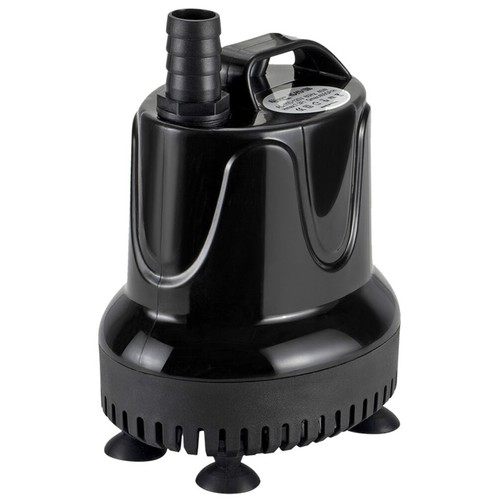
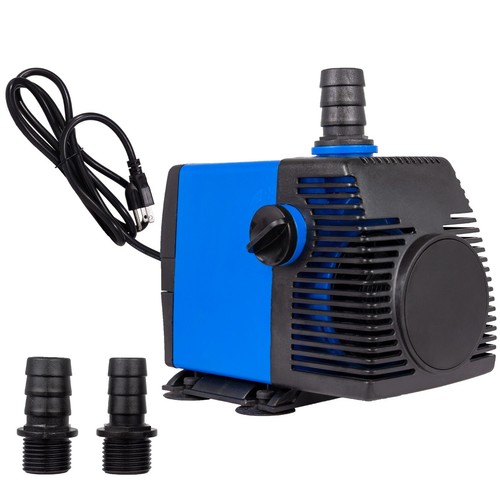
Pictured: hygger submersible pump
| Product | Condition | Price | Best For | Max Flow Rate (GPH) | Typical Use Range |
|---|---|---|---|---|---|
| hygger Submersible Water Pump |
New | $ | Budget planted tanks, nano to midsize | Up to 400 GPH | 10–75 gallons |
 VIVOSUN Water Pump Hydroponics Pond Fountain Aquariums Submersible Fish Tank VIVOSUN Water Pump Hydroponics Pond Fountain Aquariums Submersible Fish Tank |
New | $$$ | High-flow, multi-use, larger tanks or ponds | Up to 800+ GPH (model-dependent) | 30–200 gallons, hydroponics, fountains |
Pricing context: $, $$, and $$$ are relative ratings against the other products listed above, not absolute dollar ranges. Live current prices follow below.
Pricing context: $, $$, and $$$ are relative ratings against the other products listed above, not absolute dollar ranges. Live current prices follow below.
Budget performance: hygger submersible pump
The hygger Submersible Water Pump is a go-to for aquarists who need reliable water movement on a budget. It’s compact, typically under 5 inches in length, and offers flow rates up to 400 gallons per hour (GPH)—enough for tanks up to 75 gallons, or as a circulation pump in larger setups. The hygger submersible pump usually draws 5–25 watts, depending on the specific model and flow setting, which keeps energy costs low.
While not packed with advanced features, this pump has a simple, tool-free intake screen for easy cleaning and a basic adjustable flow dial. The output nozzle commonly fits standard 1/2″ or 5/8″ tubing, making it compatible with most aquarium plumbing. Noise levels are generally modest, but don’t expect dead silence—this is a practical, value-focused piece of kit rather than a premium “silent” model.
You’ll get a reliable baseline for planted tanks, betta setups, or as a backup return pump. If your tank is overstocked or heavily planted, the moderate flow helps prevent dead spots without blasting delicate stems or shrimp.
High-flow and versatility: VIVOSUN water pump
The VIVOSUN Water Pump Hydroponics Pond Fountain Aquariums Submersible Fish Tank steps up both price and power. This line includes models with maximum flow rates from 400 GPH up to 800+ GPH, with some versions exceeding 1000 GPH. That makes the VIVOSUN water pump a better fit for larger aquariums (75–200 gallons), sumps, or situations where you need to push water up a vertical distance (head height) for fountains or hydroponics.
The VIVOSUN water pump is also built for multi-purpose use: it’s rated for both fresh and saltwater, and is robust enough for hydroponic nutrient circulation. Expect a larger, heavier body (up to 7–9 inches long and 3–5 pounds for the biggest models) and a higher power draw—commonly 40–70 watts at full flow. Most models come with several outlet adapters (1/2″, 5/8″, 3/4″) and a longer power cord, which can be a real convenience for sumps or pond setups.
Noise control is generally good for its size, but at the higher flow rates, some hum is inevitable. If you’re running a high-tech planted tank with CO2 injection and strong filtration, or need to power a canister filter or waterfall feature, the VIVOSUN water pump covers scenarios the hygger can’t.
Related Guides
- Canister Filter vs Sump Filter: Which Is Better for Your Aquarium?
- Fine Gravel vs Coarse Gravel: Which Substrate Is Best for Your Aquarium?
- Hang-On-Back Filter vs Canister Filter: Which Is Right for Your Aquarium?
- LED vs Fluorescent Aquarium Lighting: Which Is Better for Your Tank?
- Our guide to Sand vs Gravel Substrate: Which Is Best for Your Aquarium?
- How to Choose an Aquarium Stand With Fish Tank: A Complete Guide
- Browse all Filtration Systems →
Specifications that actually matter
Maximum flow rate (GPH)
Flow rate, measured in gallons per hour (GPH), determines how much water the pump can move. For planted aquariums, aim for 5–10 times your tank volume per hour—so a 40-gallon tank benefits from at least 200–400 GPH. Oversized pumps can create turbulent flow that disturbs substrate or plants.
Head height
This spec tells you how high the pump can push water vertically before the flow drops off. If you’re running a sump or waterfall, check that the pump’s “max head” is at least 12–18 inches above your water line, or more for custom setups.
Power draw (watts)
Wattage affects both energy cost and heat. Most submersible pumps in this class draw 5–70 watts. Higher wattage means more power, but also more heat added to your tank—something to watch in summer or for sensitive species.
Physical size and intake design
Compact pumps (under 5 inches) fit neatly behind hardscape or in filter chambers. Larger pumps need more space and may restrict layout options. A removable intake screen makes cleaning easier and prevents clogging from plant debris or shrimp.
Noise level
No submersible pump is truly silent, but well-designed models use rubber feet or ceramic shafts to dampen vibration. Look for pumps marketed as “quiet” if your tank sits in a bedroom or office, but expect some hum at higher flow rates.
How we selected these submersible pumps
This shortlist focuses on established, brand-name submersible pumps with real-world specs suitable for aquascaping and planted tanks. Key criteria include maximum flow rate (sized for tanks from 10 to 200 gallons), head height (for sumps or waterfalls), power draw, intake design (for easy cleaning and safety), and overall build quality as evidenced by brand reputation and user feedback. We compared each pump’s manufacturer-listed specs and market positioning. No hands-on product testing was performed for this guide.
Unbranded or generic pumps with no stated flow or wattage were excluded, as were bundled kits where the core pump model isn’t clearly identified. This guide is not meant for ultra-high-end reef systems or micro/nano tanks under 5 gallons—those setups may need specialized gear. If you’re building a paludarium, high-pressure pond, or require WiFi/app control, you’ll want to look beyond this mainstream category.
For more on pump sizing and best practices, the Aquarium Advice community offers extensive peer discussions and troubleshooting guides.
FAQ: Submersible aquarium pump choices
How much flow do I need for a 40-gallon planted tank?
Aim for a pump rated at 200–400 GPH for a 40-gallon planted aquarium, depending on your plant density and livestock. The hygger submersible pump covers this range well, providing enough circulation to avoid dead spots without uprooting plants.
VIVOSUN water pump vs hygger submersible pump — which is better for a 100-gallon tank?
The VIVOSUN water pump is the better match for tanks over 75 gallons. Its higher flow rates and greater head height capacity make it suitable for larger volumes or setups with sumps, whereas the hygger submersible pump is better suited for smaller tanks or as a secondary circulation pump.
Do these pumps add heat to the aquarium?
All submersible pumps add some heat, since their motors are underwater. For most home aquariums, the effect is minor—typically a 1–2°F increase for pumps under 25 watts. Larger pumps, like some VIVOSUN models, may add more heat, which can be a consideration in warm climates or with heat-sensitive species.
How often should I clean a submersible aquarium pump?
Check and clean the intake and impeller every 2–4 weeks, especially if you keep fine-leaved plants or messy fish. Regular maintenance prevents clogging and extends the pump’s lifespan. Both pumps here have tool-free intake screens for easier cleaning.
Are these pumps safe for shrimp and fry?
Both the hygger submersible pump and VIVOSUN water pump have intake screens, but for tanks with baby shrimp or fry, add a fine mesh pre-filter sponge to prevent small creatures from getting sucked in. Always check the intake design before use in breeding tanks.
Is the VIVOSUN water pump worth the higher price over the hygger submersible pump?
If you need higher flow rates, multiple outlet sizes, or plan to use the pump for more than just aquarium circulation (like hydroponics or fountains), the VIVOSUN’s versatility and power justify the extra cost. For basic planted tanks under 75 gallons, the hygger submersible pump offers excellent value and reliable performance.
What warranty or support do these pumps offer?
Both brands typically offer a one-year limited warranty, but always check the specific seller’s listing for details. Brand-name pumps like hygger and VIVOSUN usually have better support than no-name imports, making it easier to get replacements or answers if issues arise.
Verdict: Which submersible pump is right for your tank?
For most planted tanks and community aquariums under 75 gallons, the hygger submersible pump delivers the best mix of reliability, low cost, and ease of use. If your setup demands more power—such as a large display tank, a sump return, or a pond feature—the VIVOSUN water pump gives you the headroom and flexibility those scenarios require. Both are solid choices from recognized brands, but matching flow rate and size to your specific tank is key to long-term success.
If you’re unsure which size to choose, it’s safer to go slightly underpowered and supplement with a small circulation pump, rather than overdoing it and stressing your livestock. For a wider range of options, see the latest submersible aquarium pumps on Amazon.
Related Guides
- Canister Filter vs Sump Filter: Which Is Better for Your Aquarium?
- Fine Gravel vs Coarse Gravel: Which Substrate Is Best for Your Aquarium?
- Hang-On-Back Filter vs Canister Filter: Which Is Right for Your Aquarium?
- LED vs Fluorescent Aquarium Lighting: Which Is Better for Your Tank?
- Our guide to Sand vs Gravel Substrate: Which Is Best for Your Aquarium?
- How to Choose an Aquarium Stand With Fish Tank: A Complete Guide
- Browse all Filtration Systems →
Last updated: June 2026 · How we put guides together