8 min read
Disclosure: As an Amazon Associate and eBay Partner Network publisher, we earn from qualifying purchases. This doesn’t affect what we recommend or how we describe it.
You’re standing in the substrate aisle, two bags in hand: one labeled “Fine Gravel 2–4 mm,” the other “Coarse Gravel 6–10 mm.” You want lush plant growth, healthy fish, and clear water—but which gravel size will actually deliver? This guide breaks down the real-world differences between fine and coarse gravel for freshwater planted aquariums, so you can avoid wasted money and disappointing results.
What most buying guides get wrong about gravel size
Most advice glosses over the technical details and jumps straight to “personal preference.” In reality, gravel size affects plant rooting, water flow, cleaning effort, and even long-term tank stability. The choice isn’t just about looks—it shapes the whole ecosystem in your tank. Here’s what experience (and a few hard-learned lessons) reveal about fine versus coarse gravel for home aquascaping.
How fine and coarse gravel perform in real tanks
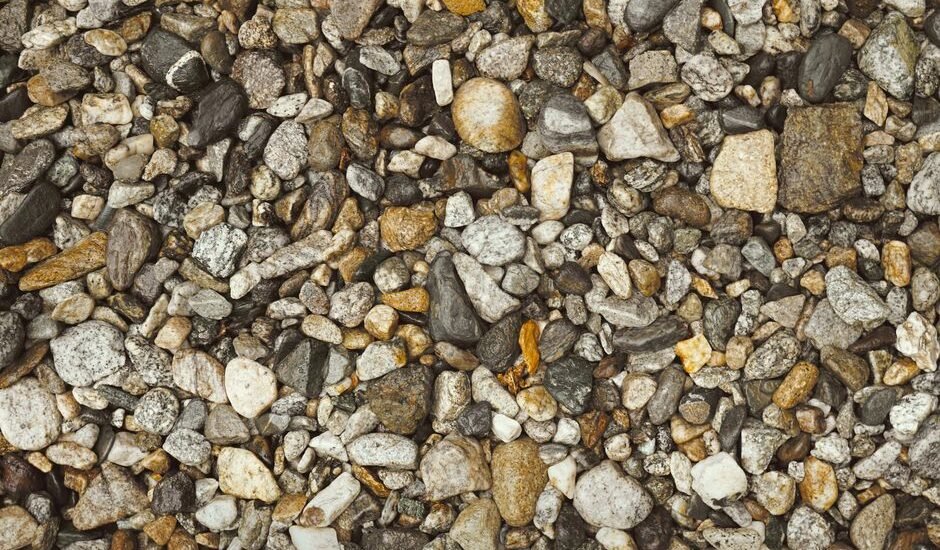
Gravel for freshwater tanks typically ranges from 2 mm (about the width of a pencil lead) up to 10 mm (pea-sized or larger). Here’s how each size class stacks up on the stuff that actually matters to planted tank keepers:
- Plant support: Finer gravel packs more tightly and offers better anchoring for most rooted plants, especially delicate stems and carpeting species.
- Water movement: Coarse gravel allows more water to flow between particles, which can help prevent anaerobic (oxygen-starved) pockets but may let nutrients and waste slip through.
- Cleaning and maintenance: Fine gravel traps more debris, making it harder to vacuum thoroughly. Coarse gravel is easier to clean but may allow larger debris to accumulate below the surface.
- Fish compatibility: Certain bottom-dwellers (like Corydoras or loaches) prefer finer substrates, while larger coarse gravel can damage delicate barbels.
- Tank aesthetics: Fine gravel creates a smooth, natural look; coarse gravel looks chunkier and can overpower small tanks or fine-leaved plants.
Comparison table: fine vs coarse gravel for planted aquariums
| Category | Typical Grain Size | Plant Rooting | Ease of Cleaning | Fish Safety | Price |
|---|---|---|---|---|---|
| Fine Gravel | 2–4 mm | Excellent for most rooted plants | Harder (traps debris) | Safe for bottom dwellers | $$ |
| Medium Gravel | 4–6 mm | Good for most plants | Moderate | Generally safe | $ |
| Coarse Gravel | 6–10 mm | Poor for delicate or carpeting plants | Easier (less clogging) | Risk of barbel damage | $ |
| Blended Mix | 2–10 mm | Variable—depends on mix ratio | Mixed—can trap debris in fine layers | Usually safe if <6 mm dominates | $$$ |
Pricing context: $, $$, and $$$ are relative ratings against the other products listed above, not absolute dollar ranges. Live current prices follow below.
The spec almost nobody talks about: depth and compaction
Grain size isn’t the only number that matters. How deep you lay your gravel—and how tightly it packs—can make or break your aquascape. For most planted tanks, aim for a substrate depth of 5–7 cm (about 2–3 inches). Go thinner and roots may dry out or struggle to anchor; go much deeper and you risk anaerobic zones, especially with fine gravel.
Fine gravel (under 4 mm) compacts more, so avoid depths over 7 cm unless you have strong-rooting plants or active burrowing fish. Coarse gravel (over 6 mm) won’t compact as much, but large gaps can let fish food and debris slip out of reach, leading to long-term water quality issues.
Why your plant choice should drive your gravel choice
Some plants simply won’t thrive in coarse gravel. Carpeting species like dwarf hairgrass (Eleocharis), micro sword, or Monte Carlo need a firm, compact substrate—fine gravel in the 2–3 mm range is ideal. Stem plants with delicate roots (like Rotala or Ludwigia) also anchor better in finer material. By contrast, robust species like Amazon sword or crypts can manage in medium gravel, though they’ll still root faster in a denser substrate.
If your aquascape is mostly hardscape or uses rhizome plants (Anubias, Java fern) that don’t root in substrate, you have more flexibility. But for a lush, rooted “nature aquarium” effect, gravel size is not a place to compromise.
See today’s dealsHow gravel size affects water quality and cleaning routines
Fine gravel traps small particles—fish waste, uneaten food, decaying plant matter. This keeps the water column clearer day-to-day, but can cause debris to build up below the surface. Routine vacuuming with a siphon is essential, but you’ll need to stir or “swirl” the top layer now and then to avoid compacted, dirty patches. Expect to spend extra time with a gravel vac, especially in corners and under decorations.
Coarse gravel is easier to clean—debris sits on top and is quickly sucked up by a siphon. But the larger gaps can let organic waste slip through to the glass, forming anaerobic pockets (where bad bacteria thrive). Go too coarse, and you’ll see mulm and gunk under rocks and wood, especially in low-flow tanks. This can spike ammonia or nitrite over time.
For tanks with heavy feeders or messy fish, a medium gravel (4–6 mm) often strikes the best balance. For high-tech planted tanks, stick with fine gravel and stay on top of regular substrate cleaning.
Compare optionsFish health: substrate safety for bottom dwellers
Fish that spend time on the bottom—Corydoras catfish, loaches, kuhli loaches, and some plecos—have delicate barbels (whisker-like sensory organs). Coarse or sharp gravel can abrade these, leading to infections or loss of appetite. Fine, rounded gravel (under 4 mm, with no sharp edges) is safest for these species. For tanks with only mid- and top-dwellers, you have more leeway, but smoother is always better for fish comfort.
Some aquarists use a blended mix: fine gravel in planted areas, coarser gravel for open sections or around hardscape. This can work, but be aware that debris will always migrate to the lowest, finest sections over time. Plan your aquascape layout with maintenance in mind.
Common mistakes to avoid
- Choosing gravel by color or packaging, not grain size: Many buyers grab whatever looks good or matches their décor, only to find it’s too coarse for plant roots or too fine to clean easily.
- Ignoring compatibility with aquarium vacuums: Extra-fine gravel (under 2 mm) can be sucked up by standard siphons, leading to substrate loss and cloudiness. Always check your vacuum’s intake size.
- Laying substrate too deep with fine gravel: Depths over 7 cm can create anaerobic zones, especially in low-tech tanks without burrowing fish or root tabs to boost oxygenation.
- Using sharp-edged gravel for bottom-dwelling fish: Even if labeled “aquarium safe,” test gravel by rubbing a handful—if it feels sharp, it can injure fish barbels and cause stress or infection.
- Assuming all plants will root in any gravel: Delicate carpeting plants and fine-rooted stems often fail in coarse gravel, leading to frustration and wasted money on plants that never establish.
Related Guides
FAQ: fine vs coarse gravel for planted aquariums
How deep should my gravel be for healthy plant growth?
A depth of 5–7 cm (2–3 inches) is ideal for most planted tanks. This gives roots space to anchor and spread, but avoids deep anaerobic zones that can form in thicker layers, especially with fine gravel.
Is fine gravel better than coarse gravel for planted tanks?
Fine gravel (2–4 mm) is usually better for rooted and carpeting plants, as it allows roots to grip and spread. Coarse gravel (6–10 mm) is easier to clean but can hinder plant growth and let debris slip through. For most planted aquariums, fine or medium gravel is the safer bet for plant health.
How often do I need to clean fine gravel compared to coarse gravel?
Fine gravel traps more debris, so you’ll need to vacuum it thoroughly at least every 1–2 weeks. Coarse gravel can be cleaned less often, but watch for waste collecting under rocks or decorations. Plan on spending extra time on maintenance if you choose fine gravel.
Can I mix fine and coarse gravel in one tank?
You can, but be aware that over time, fine gravel will work its way below coarse particles, potentially creating a layered effect that traps debris and may cause anaerobic pockets. Mixing is best done intentionally for aquascape design, not as a shortcut.
Will coarse gravel damage the barbels of bottom-dwelling fish?
Yes, coarse or sharp-edged gravel can injure sensitive barbels on Corydoras, loaches, and similar species. Always choose rounded, smooth gravel for tanks with these fish to prevent health problems.
What’s the typical lifespan of aquarium gravel?
Quality aquarium gravel can last the lifetime of your tank—often 5–10 years or more—if cleaned regularly and not contaminated with chemicals or waste. However, fine gravel may need periodic top-ups if lost during cleaning or siphoning.
Do I need a special substrate for high-tech planted tanks?
While fine gravel supports root growth, high-tech tanks with demanding plants often benefit from a nutrient-rich substrate layer beneath or mixed in. Fine gravel alone may not supply enough nutrients for intensive setups, so consider layering or root tabs for optimal results.
View what’s availableWhere to find reliable gravel size guidance
For in-depth, research-backed substrate information, consult established sources like FishBase or government aquarium care guidelines. These resources offer science-based advice on substrate choice, fish compatibility, and maintenance routines, helping you make confident, informed decisions for your home aquarium.


Last updated: June 2026 · How we put guides together