9 min read
Disclosure: As an Amazon Associate and eBay Partner Network publisher, we earn from qualifying purchases. This doesn’t affect what we recommend or how we describe it.
The choice between sand and gravel substrate can make or break your planted aquarium’s look, plant growth, and ease of maintenance. The differences aren’t just about appearance—factors like grain size, compaction, and cleaning routines all change depending on your substrate. With the right pick, you’ll avoid wasted money on unsuitable substrate and set your tank up for both beauty and long-term health. Below, you’ll find a detailed, research-backed comparison of four currently available products, each with a distinct advantage for specific tank setups and aquascaping goals.
Top picks at a glance
- Aquarium Sand Substrate Tan Color Fine Grit 25 lbs — the best value for large tanks
- Aquarium Sand Substrate Black Color Medium Grit 20 lbs — the best for darker aquascapes
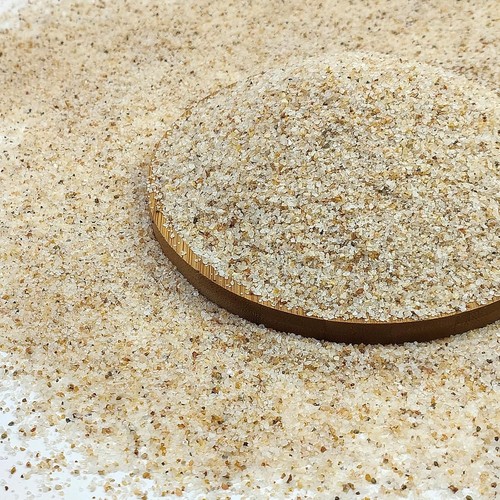
- Aquarium Silica Sand 0.4-0.8mm Mini Gravel Substrate Beige 5 lbs — the most natural-looking sand option
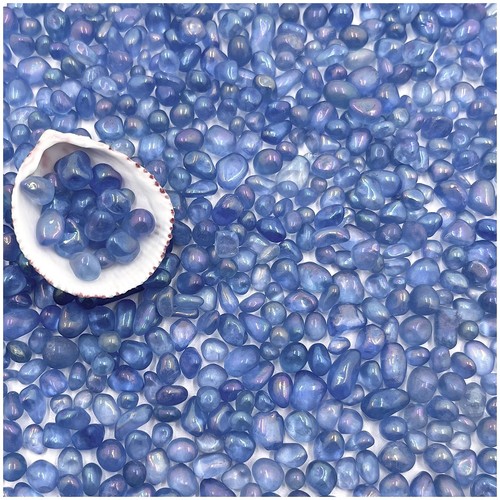
- Dophin Aquarium Gravel Fish Tank Stones Substrate 2 kg — the best branded gravel substrate
Sand Substrate vs Gravel Substrate: Which Suits Your Planted Tank?
Sand and gravel each have distinct effects on planted aquariums, from water flow in the substrate to ease of planting and cleaning. Sand generally offers a smooth, natural riverbed look and is favored for tanks with bottom-dwelling fish or delicate plants. Gravel, by contrast, provides more water movement between grains, reduces compaction, and makes cleaning with a siphon much easier. Your choice should reflect both the needs of your tank’s inhabitants and your long-term aquascaping vision.
Product Comparison Table

Pictured: Tan Fine Grit Sand
| Product | Condition | Price | Best For | Grain Size (mm) | Color |
|---|---|---|---|---|---|
| Aquarium Sand Substrate Tan Color Fine Grit 25 lbs |
New | $$$ | Large tanks, value | Fine | Tan |
 Aquarium Sand Substrate Black Color Medium Grit 20 lbs Aquarium Sand Substrate Black Color Medium Grit 20 lbs |
New | $$ | Darker aquascapes | Medium | Black |
 Aquarium Silica Sand 0.4-0.8mm Mini Gravel Substrate Beige 5 lbs Aquarium Silica Sand 0.4-0.8mm Mini Gravel Substrate Beige 5 lbs |
New | $ | Natural look, fine grain | 0.4–0.8 | Beige |
 Dophin Aquarium Gravel Fish Tank Stones Substrate 2 kg Dophin Aquarium Gravel Fish Tank Stones Substrate 2 kg |
New | $ | Branded gravel, durability | — | — |
About the $ symbols: they’re a quick budget/mid/premium read of where each option sits relative to the others in this comparison. See current prices in the live listings below.
How Each Substrate Performs in Planted Aquariums
Sand: Natural Look, Planting Challenges, and Fish Compatibility
Fine sand substrates like Aquarium Sand Substrate Tan Color Fine Grit 25 lbs and Aquarium Silica Sand 0.4-0.8mm Mini Gravel Substrate Beige 5 lbs offer a smooth, riverbed-style appearance and are gentle for bottom-dwellers such as corydoras or kuhli loaches. The Tan Fine Grit Sand is the best value for tanks 20 gallons and up, thanks to its 25 lb volume, making it the most cost-effective option for larger layouts. The Beige Silica Sand, with its 0.4–0.8mm grain size, is ideal for replicating natural streambeds and suits tanks where you want a finer, more authentic look, but it’s best for smaller aquariums due to the 5 lb bag size.
Both sands compact more than gravel. This can make planting root-heavy species harder—expect to anchor stems with plant weights or rocks, especially in tanks with active fish that disturb the substrate. Sand also slows water flow through the substrate, which can increase the risk of anaerobic “dead spots” in deep beds. You’ll want to keep sand layers to under 5 cm unless using root tabs or plants with strong root systems.
Medium Grit Sand: Aesthetics and Practicality for Modern Aquascaping
Aquarium Sand Substrate Black Color Medium Grit 20 lbs stands out for aquarists pursuing dramatic, high-contrast layouts. The black color makes greens and reds in plants pop and can visually deepen the tank. The medium grit offers a balance—less compaction than fine sand, but still smoother than gravel, and easier to clean than ultra-fine grades. This substrate is a strong fit for tanks 10–30 gallons aiming for a bold look, or for highlighting the color of pale or metallic fish.
Gravel: Plant Growth, Cleaning, and Durability
Dophin Aquarium Gravel Fish Tank Stones Substrate 2 kg is the clear choice for those prioritizing ease of cleaning and plant anchoring. Gravel’s larger particle size (typically 2–5mm, though not specified in the listing) means better water circulation through the substrate and less compaction. This helps plant roots “breathe” and makes vacuuming debris with a siphon much simpler. Dophin Gravel, as a branded substrate, is a budget-friendly option for starter tanks or for anyone planning to re-scape frequently. It’s durable, resists compacting even in deeper layers, and is less likely to cloud water during setup or cleaning.
Related Guides
- How Often Should You Vacuum Aquarium Substrate?
- Sponge Filters That Actually Work: Honest Reviews and Recommendations
- Freshwater Aquarium Hardscape Ideas for Stunning Aquascapes
- Our guide to Aquarium Plant Scissors That Actually Work: A Practical Buyer’s Guide
- Our guide to Aquarium Wave Makers Reviewed: What’s Worth Buying for Your Tank?
- The Best Glass Aquarium Lids for a Secure, Evaporation-Free Tank
- Browse all Substrate Choices →
Which Substrate Fits Your Tank Goals?
For Large Planted Tanks: Maximize Coverage and Value
If you’re setting up a 20-gallon or larger planted aquarium, Tan Fine Grit Sand delivers the best price-per-pound and a consistent, natural look that complements most aquascapes. Its fine texture is gentle for bottom-dwellers, but be mindful of compaction—mixing in root tabs or capping over a nutrient layer helps long-term plant health.
For Natural Streambed Aesthetics: Fine, Realistic Sand
Beige Silica Sand’s 0.4–0.8mm grain size is as close as you’ll get to authentic river sand in a budget substrate. It’s ideal for biotope tanks or shrimp tanks where natural appearance and gentle substrate are priorities. The smaller bag size makes it best for nano tanks or as an accent in larger layouts. Its light color also highlights detritus, so plan for more frequent surface cleaning.
For Bold, Modern Aquascapes: Black Sand with Medium Grit
Black Medium Grit Sand brings a contemporary look that sets off lush plant growth and vibrant fish. The medium grit is less prone to compaction than fine sand, making it a practical choice for planted layouts with moderate fish activity. This substrate is especially effective in tanks with strong lighting and colorful hardscape, where contrast is a design priority.
For Easy Maintenance and Rooted Plants: Branded Gravel
Dophin Gravel is the go-to for aquarists who want hassle-free cleaning and strong plant anchoring. Its larger grain size supports oxygen flow to roots and makes vacuuming debris straightforward. While less “natural” looking than sand, gravel is forgiving for beginners and is compatible with nearly all rooted aquarium plants except for the most delicate carpeting species.
Practical Considerations Before You Buy
- Depth: For sand, keep layers under 5 cm to avoid anaerobic spots. For gravel, 5–8 cm is safe for most rooted plants.
- Plant Choice: Root-heavy plants (like Cryptocoryne or Echinodorus) do best in gravel or capped sand. Fine sand can suffocate roots if not managed.
- Cleaning: Gravel is easier to vacuum without sucking up substrate. Fine sand requires gentle surface siphoning to avoid loss.
- Fish Compatibility: Loaches, corydoras, and sand-sifting species need smooth, rounded sand. Gravel can damage delicate barbels.
- Color Impact: Light substrates reflect more light, brightening the tank. Dark substrates absorb light, making plant colors more vivid and hiding waste better.
Further Reading and Trusted Resources
For more on substrate choices and their impact on plant health, see the Aquagarden Aquarium Substrate Guide. Their resource covers substrate depth, layering, and how different grain sizes affect water flow and plant anchoring in planted tanks.
Frequently Asked Questions
How much substrate do I need for my aquarium size?
For a standard tank, aim for 1–2 lbs of substrate per gallon of water, depending on whether you want a shallow or deep bed. For example, a 20-gallon tank typically requires 20–40 lbs of sand or gravel for adequate coverage and plant support.
Is sand or gravel better for planted tanks?
Both can be used successfully, but gravel usually offers better root aeration and is easier to clean. Sand is favored for natural aesthetics and bottom-dwelling fish, but requires more attention to avoid compaction and anaerobic spots. Your plant selection and fish species should guide your choice.
Does the color of the substrate matter?
Substrate color impacts both the tank’s look and the behavior of your fish. Dark substrates like Black Medium Grit Sand enhance plant and fish colors, while light sands like Beige Silica Sand create a brighter, more open feel but show debris more easily. Choose a color that complements your aquascape and inhabitants.
How does Tan Fine Grit Sand compare to Dophin Gravel for plant growth?
By spec, Tan Fine Grit Sand offers a smoother texture that’s gentle for fish, but it compacts more and can make plant rooting harder. Dophin Gravel, with its larger grains, allows better water flow to roots and is less likely to cause anaerobic pockets, making it a better choice for most rooted plants in the long term.
Is it worth paying extra for larger bags like Tan Fine Grit Sand?
If you’re setting up a medium or large aquarium (20 gallons or more), the larger bag size of Tan Fine Grit Sand offers much better value per pound than smaller packs. For nano tanks or accent areas, smaller bags like Beige Silica Sand may be more cost-effective and easier to handle during setup.
Can I mix sand and gravel in the same tank?
Mixing sand and gravel is possible, but fine sand will eventually settle below gravel due to its smaller particle size. This can lead to uneven layers and may trap debris, making cleaning more difficult. If you want both, consider using sand in foreground areas and gravel in the background to maintain separation and ease of maintenance.
What should I do if my sand compacts or develops anaerobic spots?
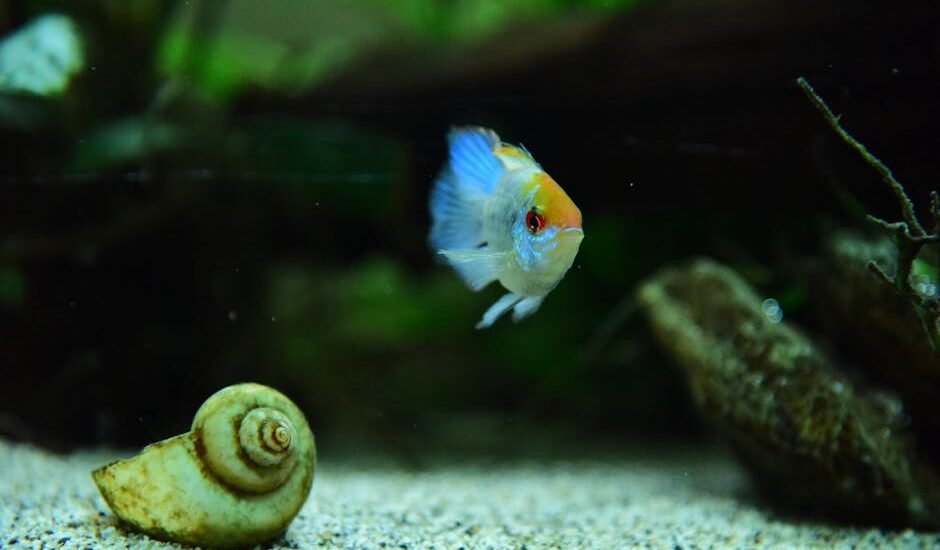
Keep sand layers under 5 cm, gently stir the surface periodically, and add live plants with strong root systems to improve oxygen flow. You can also add Malaysian trumpet snails, which naturally aerate the substrate by burrowing, but always research compatibility with your tank’s species first.
Summary: Finding the Right Substrate for Your Aquascape
Choosing between sand and gravel affects every aspect of your planted aquarium, from plant health to cleaning routines. For value in large tanks, Tan Fine Grit Sand is hard to beat. For a bold visual statement, Black Medium Grit Sand stands out. If you want a natural, stream-like aesthetic in a small tank, Beige Silica Sand offers the best grain size and appearance. For low-maintenance tanks and strong plant growth, Dophin Gravel is the most forgiving choice. Match your substrate to your tank’s needs, and you’ll set your aquarium up for long-term success.
Ready to upgrade your substrate? Browse more aquarium substrates on Amazon.
Last updated: May 2026 · About our research