7 min read
Uneven substrate maintenance is a common source of cloudy water, algae blooms, and unhealthy plant growth in home aquariums. Knowing how often to vacuum your aquarium substrate is crucial for keeping a planted tank clean without disrupting beneficial bacteria or uprooting delicate aquascapes. The right schedule depends on your tank’s bioload, plant density, and the type of substrate you use, but a few practical guidelines will help you strike the right balance for a thriving, low-maintenance aquarium.
Why Substrate Vacuuming Matters for Planted Aquariums
Unlike bare-bottom or sparsely decorated tanks, planted aquariums accumulate organic waste (fish poop, uneaten food, decaying leaves) quickly—especially in low-flow areas. This detritus settles into the substrate and, if left unchecked, can release ammonia, fuel algae growth, and even suffocate plant roots. However, overzealous vacuuming can strip away beneficial bacteria and disrupt root systems, so the goal is targeted, consistent cleaning, not deep “spring cleaning.”
Recommended Vacuuming Frequency by Tank Type
From years of maintaining everything from nano aquascapes to lush, high-tech setups, a few substrate vacuuming schedules have proven effective:
- Lightly Planted, Low Bioload (1-2 small fish per 10 gallons): Vacuum every 3-4 weeks. Target visible debris, especially in open areas.
- Moderately Planted, Moderate Bioload (community tanks): Every 2 weeks. Focus on open substrate and around hardscape; avoid disturbing plant roots.
- Heavily Planted, High Bioload (dense plantings, heavy feeding): Weekly, but only in accessible areas. Use a gentle touch to avoid uprooting carpeting plants or disturbing nutrient-rich substrates.
In tanks with active root tabs, soil substrates, or carpeting plants, limit vacuuming to exposed areas and corners. Deep gravel vacs can disrupt root systems and release stored nutrients into the water.
Signs Your Substrate Needs Vacuuming Sooner
Regardless of your schedule, watch for these indicators:
- Visible mulm or detritus buildup on the substrate surface
- Cloudy water after tank maintenance or water changes
- Increase in algae growth, especially on the substrate or glass near the bottom
- Unpleasant or “musty” odors from the tank
Spot cleaning these areas between regular vacuuming sessions helps keep your tank balanced without overdoing it.
Gravel Vacuums and Substrate Cleaners: Which Type Suits Your Tank?
Choosing the right substrate vacuum or cleaner is as important as knowing how often to use it. Here’s how the main types stack up for home aquascapers:
| Tool Type | Best For | Tube Diameter | Water Removal Rate | Ease of Use |
|---|---|---|---|---|
| Siphon Gravel Vacuum | General cleaning, medium-large tanks | 1.5–2.5 cm | 4–8 L/min | Manual, simple |
| Battery-Powered Cleaner | Spot cleaning, small tanks, minimal water loss | ~1.5 cm | ~1 L/min | Push-button, lightweight |
| Python-Style Water Changer | Water changes, large tanks (>75L) | ~2.5 cm | 8–12 L/min | Connects to faucet, fast |
| Mini Siphon or Bulb Cleaner | Nano tanks, delicate aquascapes | ~1 cm | 0.5–2 L/min | Manual, precise |
Pricing key: $ marks the budget tier, $$ the mid-range, $$$ the premium picks. Tiers are relative to the products in this comparison; actual prices update live below.
For most home aquariums under 40 gallons, a standard hand-siphon with a 1.5–2.5 cm tube balances cleaning power and control. Larger tanks or those with frequent water changes may benefit from a faucet-powered system, while nano setups or shrimp tanks are best served by a mini siphon or battery-powered cleaner.for your tank size and layout.
Matching Vacuuming Routine to Substrate Type
Different substrates require different handling:
- Gravel (3–8 mm): Vacuum 1–2 cm deep; detritus settles between stones, so moderate cleaning is safe.
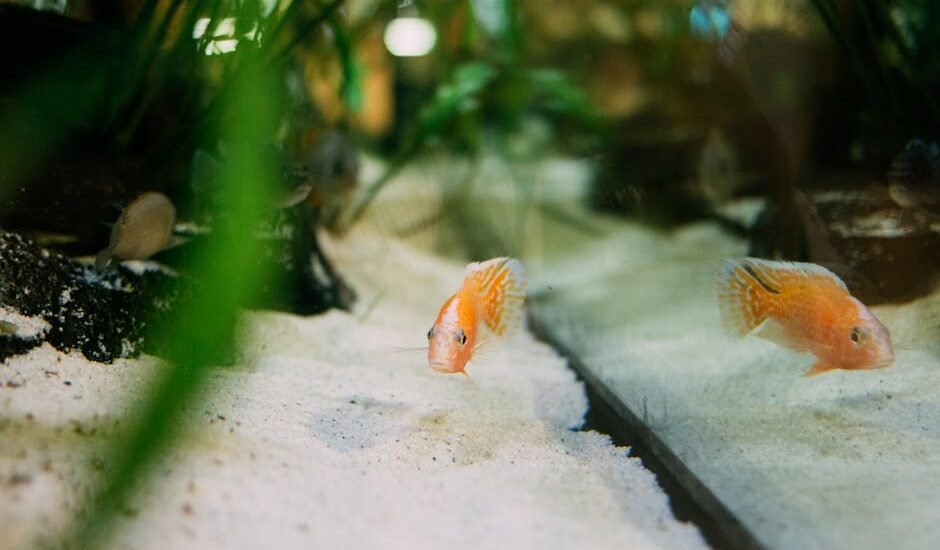
- Sand (<2 mm): Gently hover the siphon just above the surface. Sand compacts easily and can be sucked out if you dig in.
- Soil or Specialized Plant Substrates: Limit vacuuming to the surface. Digging too deep releases nutrients and breaks up substrate structure, harming plants.
- Fine or Powder Substrates: Use the lowest flow setting or a bulb cleaner to avoid drawing out the substrate itself.
Always observe your plants after vacuuming. If you notice roots exposed or plants uprooted, dial back the depth or intensity next time. For high-tech aquascapes, maintain root stability by spot-cleaning only the most exposed areas.
Reducing the Need for Frequent Vacuuming
Several proven strategies minimize detritus buildup between cleanings:
- Feed sparingly—only what fish can consume in 2–3 minutes
- Increase live plant density to absorb excess nutrients
- Maintain a healthy clean-up crew (snails, shrimp, bottom feeders)
- Adjust filter flow to reduce dead spots where debris settles
These steps extend the interval between deep cleans, prevent anaerobic pockets, and help maintain water clarity. For a selection of cleaning tools and accessories, view what’s available.
Related Guides
- Aquarium Plant Scissors That Actually Work: A Practical Buyer’s Guide
- Our guide to Aquarium Wave Makers Reviewed: What’s Worth Buying for Your Tank?
- Our guide to Glass Aquarium Lids for a Secure, Evaporation-Free Tank
- Aquarium Canister Filters That Actually Work: Top Picks for 2026
- Aquarium Circulation Pumps That Are Actually Worth Buying
- Best Liquid Aquarium Test Kits: What to Know Before You Buy
- Browse all Substrate Choices →
- Our guide to Sand vs Gravel Substrate: Which Is Best for Your Aquarium?
- Our guide to Should You Leave Your Aquarium Filter On at Night?
Technique: How to Vacuum Without Uprooting Plants
Experienced aquascapers use a few tricks to clean substrate efficiently in planted tanks:
- Use a narrow-tipped siphon for precision around dense plantings
- Pinch or kink the hose to control flow, especially near carpeting plants
- Clean in sections—divide the tank into “zones” and vacuum a different one each session to avoid stressing plants
- Hold hardscape or root balls in place with fingers while vacuuming nearby
- For very fine debris, swirl the siphon just above the substrate to lift particles into the water column for removal
For more on planted tank substrate care, see this overview from Wikipedia’s aquarium substrate article.
When to Vacuum During Water Changes
Combining substrate cleaning with regular water changes saves time and reduces stress for fish. Aim to vacuum the substrate during every other water change if you perform weekly maintenance, or every water change for high-bioload tanks. Remove no more than 25–30% of total water volume at a time to avoid rapid parameter swings.
For tanks with sensitive species or densely rooted plants, partial substrate cleaning (one third of the tank per session) prevents disturbance while keeping detritus under control. See today’s deals on water change and cleaning kits matched to tank size.
FAQs: Substrate Vacuuming in Planted Aquariums
How often should I vacuum a heavily planted tank?
For dense aquascapes with many fish, aim to vacuum exposed substrate weekly, but avoid disturbing rooted areas. Spot-cleaning visible debris every 7 days keeps detritus in check without harming plant roots.
What’s the difference between a manual siphon and a battery-powered substrate cleaner?
Manual siphons rely on gravity to remove water and debris, typically moving 4–8 liters per minute with a standard tube. Battery-powered cleaners filter debris into a collection bag and remove less water (around 1 liter per minute), making them ideal for small tanks or quick spot cleaning.
Can I vacuum specialized plant substrates or aquasoil?
Yes, but only the surface layer. Digging into aquasoil can release nutrients, cloud water, and damage plant roots. Use a gentle touch and focus on visible detritus rather than deep cleaning.
How do I know if I’m removing too much beneficial bacteria?
Beneficial bacteria colonize both the substrate and filter media. As long as you avoid over-cleaning (never vacuum the entire substrate at once) and don’t use chlorinated water, your bacterial colonies will remain stable. If your tank cycles normally and water parameters are steady, you’re not overdoing it.
Gravel vacuum vs. water changer—what’s better for a 50-gallon tank?
For tanks 40 gallons and up, a faucet-powered water changer with a gravel vacuum head saves time and effort, especially if you do large water changes. Manual siphons are fine for smaller tanks or targeted cleaning but can be slow for big setups.
What should I do if my vacuum keeps sucking up substrate?
Reduce the flow rate by partially pinching the siphon hose or use a gravel guard attachment. For sand or fine substrates, hover the vacuum just above the surface rather than digging in. Practice and patience help prevent substrate loss.
Is there a risk of warranty issues with battery-powered cleaners?
Most battery-powered aquarium cleaners have a 6–12 month warranty, but water damage from improper use can void coverage. Always follow manufacturer instructions, keep battery compartments dry, and check compatibility with your tank size and substrate type before buying.
Further Reading and Reliable Sources
For more technical details on aquarium substrate management, see the Wikipedia entry on aquarium substrates and the scientific background on nitrogen cycling in planted tanks at PubMed.
Last updated: July 2026 · About our research