7 min read
Designing a planted tank that looks natural and visually striking starts with the right hardscape. Many aquarists struggle to choose and arrange rocks, woods, and substrates that both support healthy plant growth and create an underwater scene with real depth and character. The best hardscape aquarium ideas balance practical setup with artistic vision—whether you’re building your first aquascape or aiming to level up your next project, clarity on materials, layout styles, and cost-effective gear is essential.
Popular Hardscape Styles for Planted Tanks
Hardscape in freshwater aquariums typically revolves around rocks, driftwood, and substrate arrangement. The main aesthetic “schools” are based on classic aquascaping approaches, each with specific requirements and effects:
- Iwagumi: Minimalist, stone-focused layouts. Usually an odd number of rocks (often 3-7), with the largest as the focal point. Uses stones like Seiryu, Dragon Stone, or lava rock in sizes from 10 cm up to 30 cm for home tanks.
- Nature Aquarium: Inspired by natural landscapes—mountains, forests, valleys. Combines wood (like spider wood or Malaysian driftwood, 20–60 cm pieces) and rocks, often with varying substrate heights (up to 10 cm difference) to mimic terrain.
- Dutch Style: Less hardscape, more structured plant groupings. Hardscape is subtle—small stones or root pieces for accent (typically under 20 cm).
- Biotope: Replicates a specific natural environment, using materials authentic to the region (e.g., river pebbles, native wood), often with sand or fine gravel substrate (grain size 1-3 mm).
Each approach has unique maintenance and setup demands, especially around stability, water chemistry impact, and plant compatibility. The best results come from matching your hardscape materials and layout to both your tank size and your maintenance preferences.
Essential Hardscape Materials: What Works and Why
Not all rocks and woods are aquarium-safe. For planted tanks, you want inert stones (won’t raise pH or hardness unless you want that), real hardwoods, and substrates that anchor both hardscape and plants. Here are the main options, with practical specs for home aquariums:
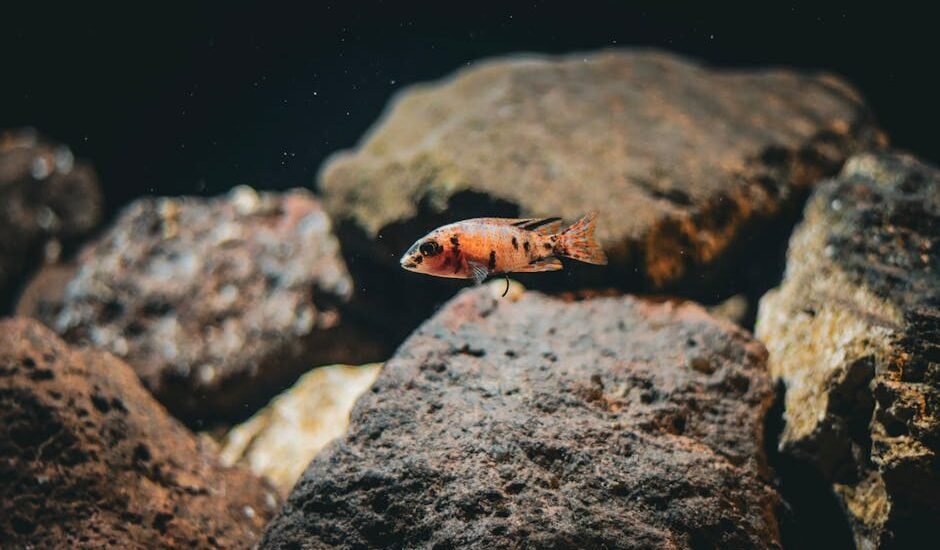
- Stone: Dragon Stone, lava rock, and granite are inert and don’t affect water chemistry. Avoid limestone unless you keep hard-water species. For a 60-liter tank, use 5-10 kg of stone for visual impact and stability.
- Wood: Spider wood (branchy, 20–40 cm), Malaysian driftwood (dense, 15–50 cm), and manzanita are popular. Soak for 1–2 weeks before use to reduce tannins and waterlogging time.
- Substrate: Fine gravel (1–3 mm), aquasoil, or inert sand. For planted tanks, a 5–8 cm deep planting zone allows secure root growth and anchors heavier hardscape pieces.
Always rinse and test-fit materials before final placement. Arrange hardscape with tank maintenance in mind—ensure you can still reach all glass surfaces for cleaning, and don’t block filter outflow or heater circulation.
Comparing Hardscape Categories for Planted Aquariums
| Category | Typical Size Range | Water Chemistry Impact | Plant Attachment | Maintenance Level |
|---|---|---|---|---|
| Stone-Only (Iwagumi) | 10–30 cm pieces | Inert (if using granite, lava, dragon) | Limited (moss, anubias on crevices) | Low |
| Wood-Focused | 20–60 cm branches/logs | May leach tannins, mild pH lowering | Excellent for epiphytes (ferns, mosses) | Medium (soaking, tannin management) |
| Mixed Hardscape | Rocks 10–20 cm, wood 20–40 cm | Generally inert (if materials chosen carefully) | Versatile—moss, anubias, bucephalandra | Medium |
| Biotope Authentic | Gravel/sand 1–3 mm, local rocks/wood | Depends on source—test before use | Varies by habitat | Low–Medium |
| Dutch Accent | Small stones/roots <20 cm | Inert (minimal impact) | Minimal | Low |
Hardscape Layout Techniques That Work at Home
Even with the best materials, layout makes or breaks a hardscape. Use these practical guidelines, proven over years of home aquascaping:
- Rule of Thirds: Place your main focal point (largest stone or wood piece) at 1/3 or 2/3 the tank length, not dead center. For a 60 cm tank, that’s around 20 cm or 40 cm from one end.
- Height Variation: Build up substrate at the back—up to 10 cm deep for dramatic slopes, tapering to 3–5 cm at the front. This adds real depth and anchors plants.
- Stone Grouping: Cluster rocks in odd numbers, with the largest as “father” and smaller “child” stones close by. Bury up to 1/3 of each rock for a natural look and firm hold.
- Wood Positioning: Angle branches upward or to the sides, not flat. Overlap wood with rocks to create “rooted” effects and hide cut ends.
- Planting Pockets: Leave gaps between stones/wood for plant roots. For carpeting plants, ensure at least 5 cm substrate depth in these zones.
Use painter’s tape on the outside of the glass to mark layout lines before placing anything inside. Dry-scaping (arranging hardscape in an empty tank) is far easier than moving pieces once the tank is filled.
How to Anchor and Secure Hardscape Safely
Stability is non-negotiable—rocks and wood can shift and crack glass or crush plants. For home tanks up to 200 liters, these anchoring techniques are both safe and effective:
- Foam Underlayment: Always use a 3–6 mm foam pad under rocks to protect the glass base.
- Epoxy Putty: Aquarium-safe epoxy (hardened in 5–15 minutes) can bond stones or wood together. Use pea-sized amounts in hidden spots.
- Stainless Steel Screws: For joining large wood pieces, only use grade 316 stainless (A4) to avoid rust. Pre-drill and test outside the tank.
- Superglue Gel: Cyanoacrylate gel is safe once cured and ideal for attaching moss or plants to hardscape. Use small dabs—plants will root over time.
Never stack rocks more than 2/3 the tank’s water height unless you have a solid base and secure with epoxy. For most 60–90 cm tanks, this means no rock stacks over 20–30 cm tall without reinforcement.
See today’s deals
Related Guides
- Aquarium Hardscape Rocks That Actually Work (And What to Avoid)
- How Often Should You Vacuum Aquarium Substrate?
- Aquarium Plant Scissors That Actually Work: A Practical Buyer’s Guide
- Our guide to Aquarium Wave Makers Reviewed: What’s Worth Buying for Your Tank?
- The Best Glass Aquarium Lids for a Secure, Evaporation-Free Tank
- Aquarium Canister Filters That Actually Work: Top Picks for 2026
- Browse all Aquascaping Tools →
Cost-Saving Tips for Hardscape Sourcing
Hardscape can be the most expensive part of a planted tank, but you don’t need to overspend. Here’s what experienced aquarists do to keep costs down without quality compromises:
- Buy by Weight: For stone, buy in bulk by the kilogram, not by piece. For a 60-liter tank, 5–10 kg is typical for a strong impact.
- Local Materials: Many inert rocks (granite, basalt) and hardwoods (oak, beech) can be found locally. Always test with vinegar (no fizz = inert) and soak wood for at least two weeks before use. Check local regulations on collecting natural materials.
- Mix and Match: Combine a few signature “showpiece” rocks or woods with cheaper filler stones or branches hidden at the back.
- Secondhand Markets: Well-cured driftwood or rocks from other hobbyists can be a bargain. Scrub and soak thoroughly before use.
View what’s available
FAQ: Real-World Hardscape Aquarium Questions
How much hardscape should I use in a 60-liter planted tank?
For visual impact and stability, 5–10 kg of rock or 2–3 medium wood pieces (20–40 cm each) is ideal. This fills roughly 1/3 of the tank volume, leaving space for plants and maintenance access.
Stone vs wood hardscape—which is better for low-tech tanks?
Stone-only layouts (like Iwagumi) are lower maintenance and don’t alter water chemistry, making them ideal for low-tech setups. Wood can leach tannins and lower pH, which is sometimes helpful, but requires more prep and monitoring.
How long does driftwood take to sink and stop leaching tannins?
Most aquarium driftwood takes 1–2 weeks of soaking to become fully waterlogged and begin sinking. Tannin release can continue for several months, but regular water changes and activated carbon help clear the water faster.
Can I use landscaping rocks or wood from outside in my aquarium?
Yes, if you choose inert stones (granite, basalt, slate) and hardwoods (oak, beech, manzanita). Test rocks with vinegar—no fizz means they’re safe. Thoroughly scrub and soak any material for at least two weeks, and avoid anything from polluted areas or treated with chemicals. For more, see Wikipedia’s aquascaping overview.
What’s the best way to attach plants to hardscape?
Cyanoacrylate superglue gel is safe for aquarium use and ideal for attaching mosses, anubias, or ferns to rocks and wood. Use a small dab on the rhizome or root, press onto the hardscape, and let cure for a minute before submerging.
Are there common failures or risks with hardscape setups?
The main risks are unstable stacks collapsing, glass cracking under heavy rocks, and wood leaching tannins for longer than expected. Always use a foam underlay, secure large pieces with epoxy or screws, and pre-soak wood. For warranty or returns, check if your supplier covers natural material defects or breakage on arrival.
Resources for Further Hardscape Inspiration
For deeper dives into hardscape techniques and safety, check out the United States Aquascaping Contest gallery and the Wikipedia article on aquascaping. These sources showcase advanced layouts and provide guidance on materials and layout strategies that work at home.
Last updated: July 2026 · About our research