9 min read
Disclosure: As an Amazon Associate and eBay Partner Network publisher, we earn from qualifying purchases. This doesn’t affect what we recommend or how we describe it.
Most CO2 bubble counter guides treat every model as interchangeable, but the real-world differences matter—especially for planted tank setups where reliability and compatibility save you money and frustration. Some hobbyists assume any bubble counter will do, but the right pick depends on your CO2 setup, aesthetic priorities, and willingness to pay for features like integrated check valves or premium glassware. This guide cuts through the generic advice to compare four current, branded options, so you can match your needs to the right gear and avoid common pitfalls that waste both time and CO2.
Top picks at a glance
- Fluval CO2 Bubble Counter — the best-known brand option
- Aquatek CO2 Brass Bubble Counter with Integrated Check Valve — the solid midrange choice
- Seachem Bubble Counter Pollen Style CO2 Bubble Counter Plant Aquarium Glassware — the premium glassware pick
- Ista CO2 Bubble Counter 2 in 1 for Planted Freshwater Aquariums — the value pick from a specialist brand
CO2 bubble counters compared: specs and positioning

Pictured: Fluval bubble counter
| Product | Condition | Price | Best For | Material | Integrated Check Valve |
|---|---|---|---|---|---|
| Fluval CO2 Bubble Counter |
New | $ | Recognized brand reliability | Plastic | — |
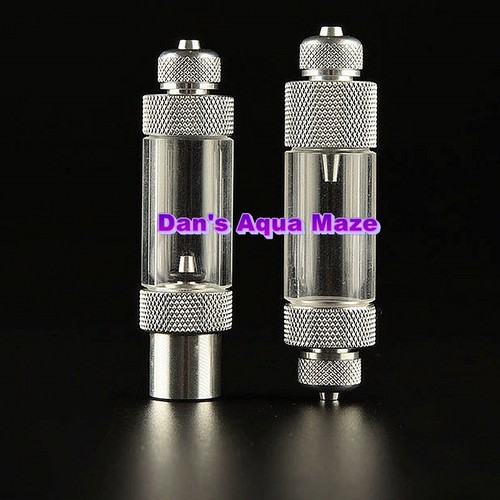
 Aquatek CO2 Brass Bubble Counter with Integrated Check Valve Aquatek CO2 Brass Bubble Counter with Integrated Check Valve |
New | $$ | Midrange, all-in-one functionality | Brass/Metal | Yes |
 Seachem Bubble Counter Pollen Style CO2 Bubble Counter Plant Aquarium Glassware Seachem Bubble Counter Pollen Style CO2 Bubble Counter Plant Aquarium Glassware |
New | $$$ | Premium glassware, aesthetic setups | Glass | — |
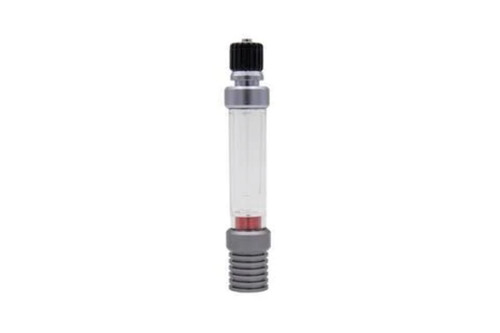
 Ista CO2 Bubble Counter 2 in 1 for Planted Freshwater Aquariums Ista CO2 Bubble Counter 2 in 1 for Planted Freshwater Aquariums |
New | $ | Budget specialist option | Plastic | Yes |
The price column compares within this guide: $ is the budget end, $$ mid, $$$ premium. For exact, up-to-date prices, see the live listings lower in the article.
Material and build: plastic, brass, or glass?
Material directly impacts both durability and aesthetic integration with your tank. The Fluval bubble counter and the Ista bubble counter both use plastic construction, which keeps weight and cost down. These are practical if you want a basic, functional counter that won’t shatter if dropped. Brass, as found in the Aquatek bubble counter, stands out for durability and resistance to cracking—especially useful in setups where the bubble counter is frequently handled or repositioned. Glass, as in the Seachem bubble counter, is the aesthetic favorite for high-end or rimless tanks, offering clarity and elegance, but it’s more fragile and best suited for stable, low-traffic installations.
Check valves: integrated or separate?
Check valves prevent water from siphoning back into your CO2 regulator—a major risk if your tank sits above the CO2 tank or if you ever disconnect the system. The Aquatek bubble counter and Ista bubble counter both integrate a check valve, reducing the number of fittings and leak points in your system. With the Fluval bubble counter and Seachem bubble counter, you’ll need to add a separate check valve, which is an extra step and a few more dollars, but gives you flexibility if you already have a preferred valve or plan to position the bubble counter away from the regulator.
Ease of installation and compatibility
If you’re running a standard pressurized CO2 system (threaded regulator, 4/6 mm tubing), all four options are compatible. The Aquatek bubble counter is designed to mount directly to most CO2 regulators with standard threading, minimizing tubing runs and reducing leaks. The Fluval bubble counter and Ista bubble counter are in-line models that fit directly into your tubing, making them versatile for both in-cabinet and rim-mounted setups. The Seachem bubble counter, being glass, is intended for in-tank or rim use—ideal for those who want a visually unobtrusive solution, but it does require gentle handling and careful placement to avoid breakage.
Visibility and bubble size
Clear, consistent bubble size makes tuning your CO2 flow much easier. The Seachem bubble counter’s glass body offers the best bubble visibility—especially important if you’re fine-tuning CO2 for sensitive or high-value plants. The Aquatek bubble counter’s brass body is less transparent but typically includes a clear sight window for easy counting. Plastic models like the Fluval bubble counter and Ista bubble counter offer adequate visibility, but may become cloudy over time if not maintained. For tanks under 60 gallons, all four provide sufficient accuracy for manual bubble counting, but if you’re dosing at very high rates (over 2 bubbles/second), larger or more visible counters like the Seachem or Aquatek models are noticeably easier to read.
Related Guides
- Small Aquarium Kits That Are Actually Worth Buying
- Internal Filter vs Sponge Filter: Which Is Better for Your Aquarium?
- How to Change an Aquarium Light Bulb: A Step-by-Step Guide
- What Is a Rimless Fish Tank—and Should You Choose One?
- Choosing the Right Digital Aquarium Thermometer With Probe
- How to Remove Old Silicone From an Aquarium Safely and Effectively
- Browse all CO2 Equipment →
Beginner’s pre-purchase checklist
- Check your CO2 regulator’s output size and threading—most counters expect standard 4/6 mm tubing or compatible regulator threads.
- Measure available space near your tank or cabinet—glassware needs a protected spot, while brass or plastic can handle more jostling.
- Decide if you want an integrated check valve or prefer to fit your own (a must for safety).
- Assess your aesthetic priorities—do you want the bubble counter hidden, or as part of your aquascape?
- Estimate your target bubble rate (bubbles per second) for your tank volume and plant load—higher rates require better visibility.
- Inventory your current fittings and tubing—you may need adapters for some models, especially for glassware.
- Verify the product’s maximum working pressure matches your CO2 system (most hobby setups run below 60 psi, but always double-check your regulator output).
Choosing for value: when to step up and when to save
For hobbyists who prioritize reliability on a budget, the Fluval bubble counter and Ista bubble counter both cover the basics at a low price. The Ista model is especially cost-effective if you want an integrated check valve without spending more. If you plan to upgrade your setup over time, or you want fewer points of failure, the Aquatek bubble counter’s all-metal build and integrated check valve justify the step up in price—especially for medium to large tanks or high-pressure setups. The Seachem bubble counter is best reserved for those who care as much about the look of their hardware as its function, or for aquascapers running rimless or ultra-clear tanks where glassware blends in seamlessly.
For tanks smaller than 20 gallons, spending extra on premium glassware is usually unnecessary unless aesthetics are your primary concern. For CO2 systems with frequent changes or where safety is paramount, models with built-in check valves (Aquatek or Ista) reduce the risk of water backflow and are worth the modest premium.
How we selected these CO2 bubble counters
The shortlist includes only branded, currently-available bubble counters with clear manufacturer specs and a track record in the planted tank hobby. Key criteria were material quality (plastic, brass, glass), integration of safety features (check valves), compatibility with standard aquarium CO2 tubing and regulators, and visibility for accurate bubble counting. We compared each option’s listed features and positioning—budget, midrange, or premium—against the needs of home aquarists from beginner to advanced.
Products were excluded if they lacked clear information about fittings, if they bundled other equipment that obscured the bubble counter’s quality, or if they were generic/unbranded listings with inconsistent specs. This list focuses on standalone counters that can be integrated into a wide range of hobbyist setups. For those running DIY yeast reactors, or who rely solely on liquid carbon rather than pressurized CO2, a bubble counter may not be necessary—these buyers can safely skip this category.
For further background on CO2 equipment and plant growth, the Advanced Planted Tank site offers a deep dive into CO2 systems and their role in modern aquascaping.
Frequently asked questions
How important is an integrated check valve in a CO2 bubble counter?
An integrated check valve is a strong safety feature, preventing tank water from siphoning back into your CO2 regulator or cylinder. This is especially important if your CO2 tank sits below the aquarium. The Aquatek bubble counter and Ista bubble counter both include this, reducing parts count and potential leak points. If your chosen counter lacks a built-in valve, adding a separate check valve is a must for any pressurized system.
What are the trade-offs between glass, brass, and plastic bubble counters?
Glass counters like the Seachem bubble counter offer premium aesthetics and the clearest bubble visibility, but are fragile and need careful handling. Brass (Aquatek bubble counter) is tough and durable, ideal for frequent adjustments or busy cabinet spaces. Plastic models (Fluval and Ista) are lightweight and affordable, but may show wear or clouding over time. Your choice depends on where the counter will be installed and how much you value looks versus durability.
Is the Seachem bubble counter worth paying more for over the Aquatek model?
The Seachem bubble counter commands a premium price due to its all-glass construction and visual appeal. It’s best suited for display tanks or aquascapes where hardware visibility matters. The Aquatek bubble counter, while less striking, offers an integrated check valve and metal durability at a lower price. If aesthetics are secondary to reliability and value, the Aquatek is likely the better fit for most hobbyists.
How often should you clean or replace a CO2 bubble counter?
Cleaning frequency depends on water hardness and debris in your CO2 line, but a typical hobbyist should rinse the bubble counter every 2-3 months to prevent mineral buildup and ensure clear bubble visibility. Plastic models may need replacement every 1-2 years if they become cloudy or crack. Glass and brass models can last longer with gentle handling and regular cleaning.
Will any of these bubble counters fit DIY yeast-based CO2 systems?
All four models are designed for standard 4/6 mm tubing, which is compatible with most DIY yeast setups. However, the pressure in DIY systems is often lower and less consistent than pressurized cylinders, making bubble counting less accurate. These counters will work, but results may vary, and you may need to reinforce tubing connections to prevent leaks at low pressure.
Are these bubble counters compatible with all aquarium CO2 regulators?
Most aquarium CO2 regulators use standard metric (M10x1) or imperial (1/8” NPT) threads for bubble counter mounting or accept standard 4/6 mm tubing. The Aquatek bubble counter is designed for direct regulator mounting, while the Fluval, Ista, and Seachem models install inline with tubing. Always check your regulator’s output fitting before purchase to avoid the need for adapters.
How many bubbles per second can these counters handle before accuracy drops?
For typical hobbyist tanks (up to 60 gallons), all four counters can reliably handle up to 2-3 bubbles per second. Beyond this rate, bubble streams may blur, making counting difficult—glass models like the Seachem bubble counter maintain clarity at higher rates. For very large tanks or high-tech setups, consider splitting CO2 lines or using a dedicated flow meter for precise dosing.
For more on the role of CO2 in planted tanks and the importance of accurate dosing, see the Tropical Fish Hobbyist Magazine resource library.


Last updated: July 2026 · About our research