
10 min read
Disclosure: As an Amazon Associate and eBay Partner Network publisher, we earn from qualifying purchases. This doesn’t affect what we recommend or how we describe it.
Aquarium gravel vacuums matter to three types of aquarists: beginners who want to avoid messy water changes, aquascapers keen on keeping substrate pristine for plant health, and fishkeepers with large tanks who need to make routine maintenance less of a chore. Each group faces a different challenge—affordability, thorough cleaning, or time savings. Choosing the right vacuum means balancing hands-on effort, cleaning power, and price, so you don’t end up with gear that frustrates you or fails to keep up with your tank.
Top picks at a glance
- hygger Aquarium Siphon Gravel Vacuum Fish Tank Cleaner Kit — the budget pick
- hygger Electric Aquarium Gravel Cleaner Vacuum Kit — the best all-around electric option
- Qanvee Aquarium Fish Tank Gravel Substrate Vacuum Water Change Cleaning Kit — the simplest manual vacuum
- AQQA Aquarium Gravel Cleaner 6-in-1 Electric Fish Tanks Gravel Vacuum Cleaner — the most feature-rich option
How these gravel vacuums compare

Pictured: hygger Siphon Gravel Vacuum
| Product | Condition | Price | Best For | Manual/Electric | Included Attachments |
|---|---|---|---|---|---|
| hygger Aquarium Siphon Gravel Vacuum Fish Tank Cleaner Kit |
New | $ | Budget pick | Manual | 3 (siphon, gravel tube, flow clamp) |
 hygger Electric Aquarium Gravel Cleaner Vacuum Kit hygger Electric Aquarium Gravel Cleaner Vacuum Kit |
New | $$ | Best all-around electric option | Electric | 4 (intake tube, filter bag, extension pipe, cleaning brush) |
 Qanvee Aquarium Fish Tank Gravel Substrate Vacuum Water Change Cleaning Kit Qanvee Aquarium Fish Tank Gravel Substrate Vacuum Water Change Cleaning Kit |
New | $ | Simplest manual vacuum | Manual | 2 (gravel vacuum, suction tube) |
 AQQA Aquarium Gravel Cleaner 6-in-1 Electric Fish Tanks Gravel Vacuum Cleaner AQQA Aquarium Gravel Cleaner 6-in-1 Electric Fish Tanks Gravel Vacuum Cleaner |
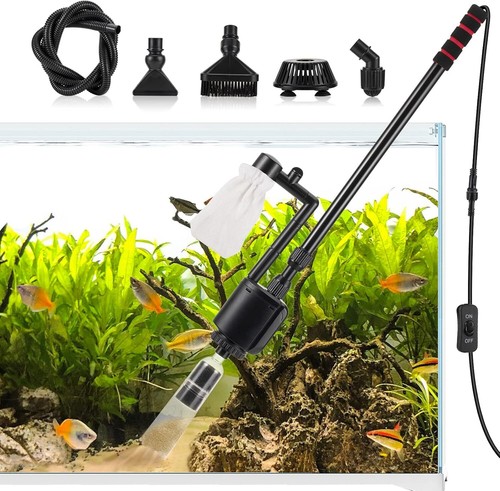
New | $$$ | Most feature-rich | Electric | 6 (gravel tube, extension tube, filter sponge, brush, scraper, water change hose) |
About the $ symbols: they’re a quick budget/mid/premium read of where each option sits relative to the others in this comparison. See current prices in the live listings below.
Related Guides
- Sand vs Gravel Substrate: Which Is Best for Your Aquarium?
- How to Choose an Aquarium Stand With Fish Tank: A Complete Guide
- Our guide to How to Clean Aquarium Plants Before Planting: A Step-by-Step Guide
- Aquarium Canister Filters That Actually Work: Top Picks for 2026
- Aquarium Circulation Pumps That Are Actually Worth Buying
- Our guide to Aquarium Cooling Fans That Actually Work: A No-Nonsense Guide
- Browse all Aquascaping Tools →
Manual vs electric: effort and efficiency
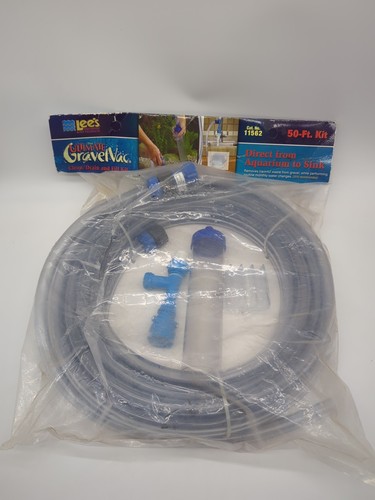
Manual gravel vacuums like the Qanvee Gravel Vacuum and hygger Siphon Gravel Vacuum use a simple hand-pump or squeeze bulb to start siphoning water. These models rely on gravity and your effort to move water and debris out of the tank. They’re reliable, require no power, and have fewer parts that can break. The trade-off is physical effort—expect to pump or squeeze several times to start the siphon and maintain water flow, especially in tanks over 20 gallons.
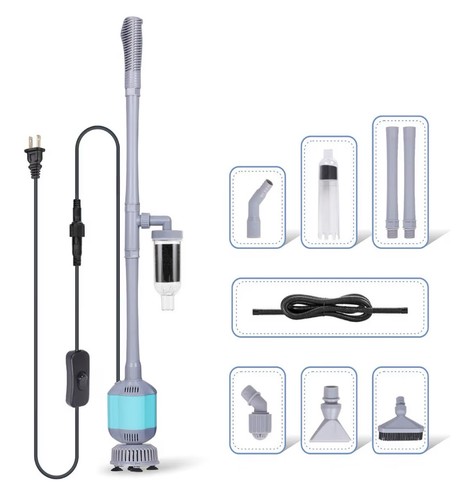
Electric models like the hygger Electric Gravel Cleaner and AQQA 6-in-1 Cleaner use a powered pump to pull water and debris through the tube. This means less manual work and more consistent suction, which is especially helpful for larger tanks (30 gallons or more) or for those with limited hand strength. Both electric options include extension tubes to reach deeper tanks—look for models that extend to at least 40cm if you have a tall aquarium.
Attachment variety and cleaning flexibility
The number and type of included attachments directly impact what you can clean. The AQQA 6-in-1 Cleaner stands out with six attachments, including a brush for scrubbing algae, a scraper for stubborn debris, and a filter sponge to trap fine particles. This makes it suitable for both routine cleaning and deep substrate maintenance. The hygger Electric Gravel Cleaner offers four attachments, balancing versatility and simplicity—its filter bag and cleaning brush handle most routine jobs.
Manual vacuums are simpler. The hygger Siphon Gravel Vacuum includes a flow clamp for better water control, which is handy for smaller tanks where you want to avoid draining too much water at once. The Qanvee Gravel Vacuum keeps things basic with just a gravel tube and suction hose, ideal if you don’t want to fuss with extra parts.
Tank size compatibility
For tanks under 20 gallons, manual vacuums like the Qanvee Gravel Vacuum or hygger Siphon Gravel Vacuum are a safe bet. They’re less likely to disturb delicate shrimp or plants, and you control the flow rate by hand. For tanks 30 gallons and up, electric models are more practical. The AQQA 6-in-1 Cleaner’s extension tubes and stronger motor make it suitable for deep or long aquariums, while the hygger Electric Gravel Cleaner fits standard mid-size tanks.
Extension tubes matter: check product specs for maximum reach. Many electric models can extend from about 16 to 40 inches. If your aquarium is taller than 20 inches, confirm that the vacuum reaches the bottom comfortably without submerging the motor housing.
Ease of cleaning and maintenance
Manual vacuums are almost maintenance-free—just rinse the tubing and let it dry. Electric models have filter bags or sponges that require regular cleaning to maintain suction. The AQQA 6-in-1 Cleaner and hygger Electric Gravel Cleaner both include removable filter components, which you should rinse after each use to prevent clogs.
Replacement parts, especially filter bags or sponges, are a small but recurring cost. Both hygger and AQQA offer replacement accessories, but check availability before you buy. Electric models also have motors that can eventually fail, though this is rare with proper care and use.
Noise and disruption in the aquarium
Manual vacuums are nearly silent—just the sound of water moving through the tube. This can be important for nervous fish or shrimp. Electric models do make a low hum from the pump, but most are under 60 decibels (about the level of a quiet conversation). For especially skittish species, manual options are safer, but for most community tanks, the noise from electric gravel cleaners is minimal and unlikely to stress livestock.
Who should pick which model?
- On a tight budget or just starting out? The hygger Siphon Gravel Vacuum is the best value. It’s cheap, reliable, and covers basic water changes for tanks up to 20 gallons.
- Need a simple, no-frills manual vacuum? The Qanvee Gravel Vacuum is as straightforward as it gets—no extra parts, just effective substrate cleaning.
- Want electric power for routine cleaning? The hygger Electric Gravel Cleaner balances price, features, and ease of use for most home tanks.
- Have multiple tanks, deep setups, or want more features? The AQQA 6-in-1 Cleaner is the most versatile—ideal for advanced hobbyists or anyone who wants a single device to handle a variety of cleaning tasks.
Total cost of ownership
The up-front price is only part of the equation. Consider these ongoing or hidden costs when choosing your gravel vacuum:
- Replacement filter bags or sponges: Electric models with filter bags or sponges need replacements every 6–12 months, averaging $8–$15 per year depending on usage and tank size.
- Accessory parts: Lost or damaged extension tubes, clamps, or small attachments can cost $5–$10 each to replace. Some brands bundle spares, but most do not.
- Electricity use: Electric models draw 10–20 watts when running. For a weekly 20-minute cleaning, annual energy cost is negligible (usually under $2–$3), but it’s a factor for large tanks or frequent use.
- Wear and tear: Manual vacuums can last for years with proper care. Electric models have moving parts—motors and seals may require replacement after several years, especially in hard water environments. Set aside $10–$20 every 2–3 years for maintenance.
- Cleaning supplies: All vacuums benefit from periodic rinsing with dechlorinated water and mild cleaning tools. Budget $5 per year for brushes or cleaning solutions if you want to avoid cross-contamination between tanks.
Factoring in these costs helps you avoid surprises and makes it easier to compare manual and electric options on a level playing field.
Practical tips for getting the most from your gravel vacuum
No matter which model you choose, a few habits make substrate cleaning more effective and less disruptive. Move decorations and hardscape aside gently to avoid trapping debris. Clean only a portion (about 25–30%) of your substrate per week to preserve beneficial bacteria. For planted tanks, avoid disturbing root zones of delicate plants—use attachments with finer mesh or lower suction if available.
Always prime manual vacuums outside the tank if you’re worried about spills. For electric models, check that all seals and attachments are tight before submerging. After use, rinse all parts in dechlorinated water and let them dry fully to prevent mold or odor.
For more on aquarium cleaning routines and substrate hygiene, see the guides at Fishkeeping World—a solid resource for both new and experienced hobbyists.
Frequently asked questions about aquarium gravel vacuums
How often should you vacuum aquarium gravel?
Most aquarists vacuum their gravel every 1–2 weeks, removing debris before it can break down and pollute the water. For heavily stocked tanks or tanks with messy feeders, weekly cleaning is ideal. In lightly stocked or planted aquariums, every 2–3 weeks may be sufficient.
Manual vs. electric gravel vacuum—what’s better for a 40-gallon tank?
For a 40-gallon tank, electric vacuums like the hygger Electric Gravel Cleaner or AQQA 6-in-1 Cleaner are more efficient. They move water faster and require less manual effort, saving time and reducing the risk of spills. Manual vacuums can work, but you’ll spend more time and may have to restart the siphon several times.
Can gravel vacuums be used in planted tanks without uprooting plants?
Yes, but technique matters. Use attachments with a fine mesh or lower suction, and avoid plunging the tube deep into planted areas. Clean open substrate between plants, and focus on areas where debris collects. Electric vacuums with adjustable flow or multiple attachments give you more control.
What parts wear out or need replacing, and how often?
For electric models, filter bags or sponges typically need replacing every 6–12 months, depending on tank size and frequency of use. Manual vacuums rarely need replacement unless the tubing cracks or clogs. Extension tubes and small parts may require replacement every few years if handled roughly.
Is the AQQA 6-in-1 Cleaner worth the price over the hygger Electric Gravel Cleaner?
If you need a wider range of attachments—like a brush, scraper, and multiple tube lengths—the AQQA 6-in-1 Cleaner justifies its higher price. For basic substrate cleaning and water changes in standard tanks, the hygger Electric Gravel Cleaner covers most needs at a lower cost. Choose based on your tank complexity and cleaning habits.
Will these vacuums fit in a nano (under 10 gallons) aquarium?
Manual models like the Qanvee Gravel Vacuum and hygger Siphon Gravel Vacuum are better for nano tanks. Their smaller tubes and lower suction minimize disturbance. Electric models can be too powerful or bulky for tiny tanks, but using the smallest attachment and lowest flow setting may work in a pinch.
Are these products covered by warranty or return policies?
Most new gravel vacuums come with a basic manufacturer warranty, typically 6–12 months for electric models. Manual vacuums may have limited or no warranty, but are less likely to fail. Always check the seller’s return policy before purchase, as coverage varies between retailers.
Bottom line: matching the vacuum to your tank and routine
The best aquarium gravel vacuum isn’t the most expensive or feature-packed—it’s the one that fits your tank size, cleaning habits, and budget. Manual options like the Qanvee Gravel Vacuum and hygger Siphon Gravel Vacuum are perfect for smaller tanks and simple routines. Electric models like the hygger Electric Gravel Cleaner or AQQA 6-in-1 Cleaner make sense for larger setups, frequent cleaning, or those who want more versatility. By weighing up-front and ongoing costs, attachment variety, and practical needs, you’ll avoid wasted money and keep your tank cleaner with less effort.
Still comparing options? See the full selection of aquarium gravel vacuums on Amazon for more sizes and brands.
Last updated: July 2026 · Our editorial process