9 min read
Disclosure: As an Amazon Associate and eBay Partner Network publisher, we earn from qualifying purchases. This doesn’t affect what we recommend or how we describe it.
Most aquarium buying guides frame glass and acrylic tanks as a simple durability trade-off, but the real decision hinges on your priorities for clarity, weight, shape, and long-term maintenance. If you’re choosing between glass and acrylic, you’ll find more meaningful differences in day-to-day use than just “which is stronger.” The products available today—ranging from high-clarity glass nanos to premium curved acrylic displays—show that the best tank for your setup is rarely the one with the most marketing buzz. Instead, it’s the one that fits your specific space, aquascaping ambitions, and willingness to handle scratches or weight.
Top picks at a glance
- Pro Clear Aquatic Systems Pro Cylinder 125 Acrylic Aquarium with Black Stand — the premium acrylic option
- Pro Clear Aquatic Systems Pro Cylinder 80 Acrylic Aquarium with White Stand — a mid-size premium acrylic choice
- Vision MB400 8-Gallon Acrylic Aquarium Pink — the compact acrylic pick
- High Clarity Glass Aquarium Bookshelf Tank — the budget glass option
The spec almost nobody talks about: how tank material changes your aquascaping
Tank material doesn’t just affect how much your aquarium weighs when empty. It shapes what you can do inside the tank—both literally and creatively. Acrylic can be molded into seamless curves and cylinders, opening up 360-degree viewing and unique layouts. Glass tanks, especially rimless and ultra-clear models, offer sharp lines and a neutral look, making them popular for nature-style aquascapes where edge distortion matters. The jump in price between mid-range glass and premium acrylic isn’t just about durability—it’s about the creative freedom and viewing experience each unlocks.
Side-by-side comparison: glass vs acrylic aquariums in real products
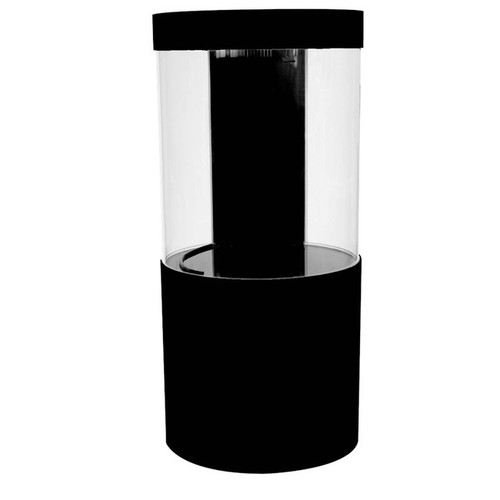
Pictured: Pro Clear Pro Cylinder 125
| Product | Condition | Price | Best For | Capacity | Tank Material |
|---|---|---|---|---|---|
| Pro Clear Aquatic Systems Pro Cylinder 125 Acrylic Aquarium with Black Stand |
New | $$$ | Premium acrylic show tank | 125 gal | Acrylic |
 Pro Clear Aquatic Systems Pro Cylinder 80 Acrylic Aquarium with White Stand Pro Clear Aquatic Systems Pro Cylinder 80 Acrylic Aquarium with White Stand |
New | $$$ | Mid-size premium acrylic | 80 gal | Acrylic |
 Vision MB400 8-Gallon Acrylic Aquarium Pink Vision MB400 8-Gallon Acrylic Aquarium Pink |
New | $$ | Compact, lightweight acrylic | 8 gal | Acrylic |
 High Clarity Glass Aquarium Bookshelf Tank High Clarity Glass Aquarium Bookshelf Tank |
New | $$ | Budget glass for aquascaping | Varies (Bookshelf-style) | Glass |
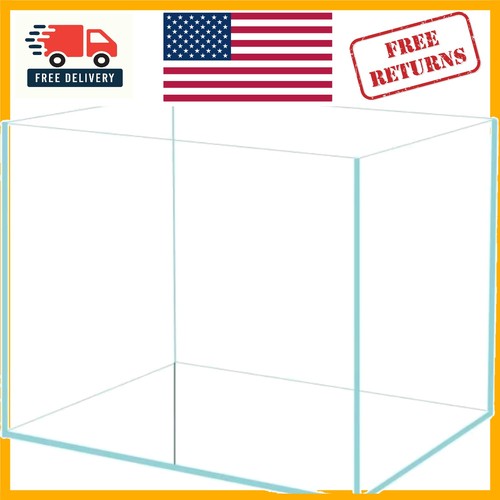 Rimless Glass Fish Tank 5.9×4.3×5.1in Rimless Glass Fish Tank 5.9×4.3×5.1in |
New | $ | Most compact glass | ~0.5 gal | Glass |
 Ultra-clear Glass Fish Tank 7 Gallon Ultra-clear Glass Fish Tank 7 Gallon |
New | $ | Mid-size glass pick | 7 gal | Glass |
Price tiers ($/$$/$$$) read across this comparison only — they mark each product’s relative position from cheapest to priciest in the set. Actual prices live below.
What most buying guides get wrong about tank weight and placement
Many guides highlight how much lighter acrylic tanks are than glass, but don’t explain the real-world impact. For example, the Pro Clear Aquatic Systems Pro Cylinder 125 Acrylic Aquarium with Black Stand is dramatically easier to move and install than a glass tank of the same size—acrylic is roughly half the weight by volume. This matters if you’re setting up a 125-gallon showpiece in a room with limited access or on a floor that’s not reinforced. For tanks under 10 gallons, like the Rimless Glass Fish Tank 5.9×4.3×5.1in, material weight is negligible; placement decisions are driven by available space and aesthetics, not load-bearing concerns.
Clarity, distortion, and the viewing experience: not all “clear” is equal
High-end glass tanks such as the High Clarity Glass Aquarium Bookshelf Tank and Ultra-clear Glass Fish Tank 7 Gallon use low-iron glass for maximum transparency—an important detail if you’re serious about aquascaping or want true-to-life colors. Acrylic tanks, including the Pro Clear Pro Cylinder 125 and Vision MB400, are optically clear but can introduce slight distortion at tight curves or seams, especially in cylindrical designs. If you value edge-to-edge sharpness for photography or plant detail, ultra-clear glass is the benchmark. For panoramic or 360-degree layouts, acrylic’s flexibility wins out, but you’ll want to inspect for any warping or lensing effect.
Durability and scratch resistance: the not-so-obvious trade-offs
Acrylic is praised for its impact strength—it won’t shatter like glass, making tanks such as the Pro Clear Pro Cylinder 80 a safe choice in high-traffic homes or classrooms. However, every acrylic tank is vulnerable to scratches. Even soft algae pads can leave marks if grit is trapped underneath. Glass, as found in the High Clarity Glass Aquarium and Ultra-clear Glass Fish Tank, is much harder to scratch, so you can use standard magnetic cleaners and not worry about daily haze. Repairs are possible for both materials, but buffing acrylic scratches is a specialized job, while glass chips or cracks usually mean a full replacement.
Real-world product picks: when to choose each tank type
- For dramatic, large-scale displays: The Pro Clear Pro Cylinder 125 is the only tank on this list that offers a true showpiece scale, with seamless acrylic construction and a dedicated stand. It’s ideal for community fish, planted “island” layouts, or even a single large specimen fish where 360-degree viewing matters.
- For mid-size, premium acrylic: The Pro Clear Pro Cylinder 80 gives you most of the visual drama of its bigger sibling, but at a more manageable size for homes or offices. It’s a sweet spot for those wanting more space than a nano, but without the footprint of a 125-gallon tank.
- For compact, lightweight setups: The Vision MB400 stands out for its playful color and portability. Acrylic’s lightness makes it safe for desktops, kids’ rooms, or anywhere you might need to move the tank occasionally.
- For budget-friendly planted aquascapes: The High Clarity Glass Aquarium offers the sharp lines and clear glass most hobbyists want for Iwagumi or Dutch-style layouts, at a price that’s hard to beat for the size and look.
- For true nano setups: The Rimless Glass Fish Tank is the smallest on the list—best for shrimp, small snails, or as a Wabi-Kusa vessel. Its rimless design maximizes viewing area for the footprint.
- For simple, affordable glass: The Ultra-clear Glass Fish Tank is a straightforward 7-gallon option for bettas, nano communities, or minimalistic scapes where low cost and clear glass matter most.
Related Guides
- Glass Aquarium Lids for a Secure, Evaporation-Free Tank
- Aquarium Canister Filters That Actually Work: Top Picks for 2026
- Aquarium Circulation Pumps That Are Actually Worth Buying
- Aquarium Wave Makers Reviewed: What’s Worth Buying for Your Tank?
- Best Liquid Aquarium Test Kits: What to Know Before You Buy
- Our guide to Inline Aquarium Heaters That Are Worth It: Our Honest Reviews
- Browse all Aquarium Tanks →
- What Type of Glass Is Best for Aquariums?
- Our guide to Aquascaping Tool Sets That Are Actually Worth Buying
Beginner’s pre-purchase checklist
- Measure your available stand or shelf space in inches—factor in width and depth, not just length.
- Check the floor load rating if considering tanks 50 gallons or larger (consult building codes or a contractor if unsure).
- Verify the tank’s listed capacity and shape—cylindrical and bookshelf tanks have unique aquascaping constraints.
- Inspect doorways and stairwells for minimum clearance; large acrylic tanks are lighter but can be awkwardly wide.
- Confirm compatibility of your preferred filter and lighting—rimless and curved tanks may not fit standard accessories.
- Decide if you’re comfortable with acrylic scratch-care; glass is lower-maintenance but unforgiving if chipped.
- Plan your aquascaping style—some layouts (like Iwagumi) benefit from ultra-clear glass, while island or 360° scapes suit acrylic cylinders.
FAQ: glass aquarium vs acrylic aquarium—specific answers for home hobbyists
How long does an acrylic aquarium like the Pro Clear Pro Cylinder 125 typically last?
With proper care, acrylic tanks can last 10–20 years or more. They resist shattering but are prone to surface scratches, so gentle cleaning is essential. UV exposure and harsh chemicals can yellow or craze acrylic over time, but most modern tanks are treated to resist these effects. Longevity depends on maintenance and placement out of direct sunlight.
Is the clarity of the Ultra-clear Glass Fish Tank noticeably better than standard glass tanks?
Yes—the Ultra-clear Glass Fish Tank uses low-iron glass, which eliminates the green tint of standard glass and delivers higher color fidelity. This is especially noticeable in planted tanks with vibrant greens or reds, and in photography. If you want your aquascape to look as true-to-life as possible, low-iron glass is a strong upgrade over regular float glass.
Pro Clear Pro Cylinder 80 vs High Clarity Glass Aquarium Bookshelf Tank—which is better for planted tanks?
The Pro Clear Pro Cylinder 80 offers more flexibility for creative layouts due to its cylindrical shape and seamless construction, making it great for island or central scapes. The High Clarity Glass Aquarium, with its rectangular shape and clear glass, is ideal for traditional planted layouts like Iwagumi or Dutch styles. Choose the Pro Clear if you want unique 360-degree viewing; pick the glass bookshelf if you value crisp lines and easier accessory fitting.
Can you use standard aquarium equipment with the Vision MB400 acrylic tank?
Most standard heaters and internal filters will fit the Vision MB400, but its compact size and curved acrylic walls may limit the use of some hang-on-back filters or large lights. Always verify the equipment’s clearance and mounting style before purchase. Rimless glass tanks are generally more forgiving for equipment fit, but acrylics offer better safety in small spaces.
Is it worth paying extra for a premium acrylic tank over a budget glass option?
The main benefits of premium acrylic tanks like the Pro Clear Pro Cylinder 125 are reduced weight, unique shapes, and impact resistance—qualities that matter most in large or high-traffic setups. For small to mid-size tanks, budget glass options like the High Clarity Glass Aquarium provide excellent clarity and scratch resistance at a lower price. The premium is justified if you want a showpiece or need the safety of acrylic; otherwise, glass often offers better long-term value for planted and nano tanks.
What’s the best way to prevent scratches in acrylic aquariums?
Always use acrylic-safe cleaning pads or microfiber cloths, and rinse them thoroughly before each use to prevent trapped grit. Avoid magnetic cleaners unless specifically rated for acrylic. Place decorations and rocks with care—never drag sharp objects along the walls. Touch up minor scratches with specialized acrylic polish, but deep gouges may require professional buffing.
Further reading: expert consensus on aquarium materials
For a deep dive into the science of aquarium construction materials, including mechanical properties and long-term care, see the Aquarium Science authoritative guides. For aquascaping-specific advice on tank selection and layout, UK Aquatic Plant Society’s community forum is a respected resource among hobbyists.
Ready to compare more options or check current deals? Browse the latest glass and acrylic aquarium listings here.
Last updated: July 2026 · About our research