9 min read
Disclosure: As an Amazon Associate and eBay Partner Network publisher, we earn from qualifying purchases. This doesn’t affect what we recommend or how we describe it.
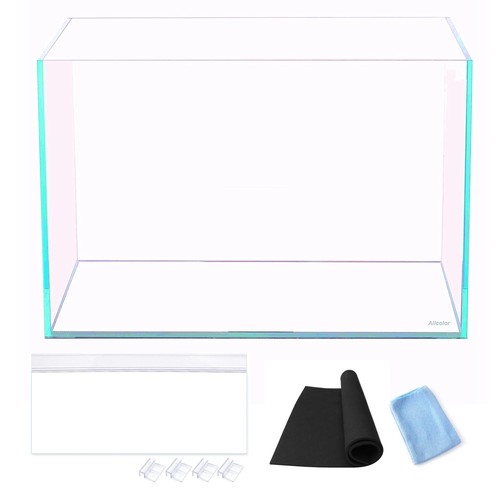
Can you keep the minimalist look of a rimless aquarium while still having a lid to protect your fish and plants? Absolutely—but the right lid makes all the difference. Rimless tanks are prized for their clean lines and open-top aesthetic, but many aquarists quickly discover the practical downsides: jumpy fish, rapid evaporation, and dust or pet hair settling on the water. Choosing a suitable lid for a rimless aquarium means balancing appearance, fit, and function—without ruining the sleek design you love.
Why Rimless Aquariums Need a Different Approach to Lids
Traditional aquarium lids rest on a plastic rim, providing support and a snug fit. Rimless tanks lack this rim, so most standard covers simply don’t work. The glass is exposed and usually only 5–8mm thick, making it vulnerable to poorly fitting or heavy lids. A lid that’s too heavy or ill-fitting risks chipping the glass or allowing gaps that defeat the purpose of a cover.
By spec and listed features, rimless tanks especially benefit from custom-fit glass, acrylic, or polycarbonate lids designed for their specific thickness and dimensions. These solutions preserve the tank’s clean look, but differ in how much they cost, how easy they are to use, and how well they control evaporation or keep fish inside.
Real-World Comparison: Lid Options for Rimless Aquariums
| Configuration | Typical Size Range | Evaporation Control | Ease of Access | Appearance | Price |
|---|---|---|---|---|---|
| The premium option (precision-cut glass lid with clips) | 30–120 cm | Excellent (80–90% reduction) | Moderate (must remove or slide) | Near-invisible | $$$ |
| The best pick for beginners (polycarbonate/acrylic lid with notches) | 20–90 cm | Good (60–80% reduction) | Easy (lightweight, lift-off) | Low profile, slight haze | $$ |
| The most feature-rich choice (mesh screen top, custom fit) | 30–180 cm | Poor (0–30% reduction) | Very easy (hinged or lift-off) | Minimal, visible frame | $ |
| The budget-friendly pick (DIY glass/acrylic with support bars) | Any (custom cut) | Variable (depends on fit) | Challenging (requires handling support) | May show support bar | $ |
| The simplest, easiest-to-use option (no lid, open top) | Any | None | Unrestricted | Ultimate clarity | $ |
$ / $$ / $$$ indicates budget / mid-range / premium relative to the picks above. Check live listings further down for current prices.
$ / $$ / $$$ indicates budget / mid-range / premium relative to the picks above. Check live listings further down for current prices.
Glass vs Polycarbonate vs Mesh: What Actually Matters
For a planted rimless tank, evaporation and jump prevention are the main concerns. A glass lid with stainless steel or plastic clips is the gold standard for clarity and evaporation control. For example, a 60×30 cm rimless tank with a fitted glass cover typically loses less than 0.3 liters per day to evaporation—compared to over 1 liter daily without a lid, especially in a heated, low-humidity room.
Polycarbonate or acrylic lids are lighter and less prone to shattering, making them ideal for tanks under 60 cm or for households with children. However, they may warp slightly over time, especially if not supported at both ends, leading to gaps that fish or shrimp can exploit. Look for lids at least 3 mm thick with cutouts for filter pipes or lighting cables.
Mesh tops are a niche solution, best used for tanks with fish that are expert jumpers (such as hatchetfish or killifish) but where maximum light and gas exchange are desired. They stop fish from escaping but do little to reduce evaporation. For most planted setups, mesh is only worth considering if plant growth is being limited by insufficient light penetration through glass or plastic covers—which is rare with modern LED lighting.
Open-top setups look stunning but require daily top-offs and vigilance for carpet crawlers or suicidal fish. Some aquarists accept this tradeoff, but for most, a good lid is a wise investment. Compare options for your tank size and priorities.
Measuring and Fitting: Avoiding Common Mistakes
Measure the internal width and length of your tank glass, not the external. Subtract 2–3 mm from each side to allow for thermal expansion and easy removal. For example, for a tank with an internal opening of 599 x 299 mm, order a 596 x 296 mm lid. If you use clips, account for their thickness—most add 2–5 mm on each side. A lid that’s too tight can get stuck or chip the glass when removed.
Always check the clearance needed for filter pipes, lily pipes, or auto-feeders. Many rimless tank lids come with pre-cut notches or removable corner pieces; if you use external filtration, make sure these openings are wide enough (typically 15–30 mm) to accommodate your setup.
For tanks over 90 cm, split the lid into two or more panels for easier handling and less risk of breakage. Larger single panes are heavy and can bow under their own weight, especially if made of acrylic or polycarbonate less than 5 mm thick.
Related Guides
- Aquarium Air Stones That Actually Work: Our Top Picks for Healthy Tanks
- Our guide to Aquarium Canister Filters That Actually Work: Top Picks for 2026
- Aquarium Circulation Pumps That Are Actually Worth Buying
- Aquarium Heaters With Guards That Are Worth Buying
- Aquarium Plant Anchors That Actually Work: Our Top Recommendations
- Our guide to Aquarium Surface Skimmers That Actually Work: Our Top Picks and Reviews
Condensation, Gas Exchange, and Plant Health
Some worry that a tight-fitting lid will suffocate plants or reduce oxygen for fish. In practice, a small gap (even 2–3 mm) along one edge is enough to allow for gas exchange. Condensation does build up—especially on glass—but modern LED lights are powerful enough that it rarely affects plant growth. For high-humidity setups, wipe down the lid weekly to prevent mineral deposits and maximize light transmission.
Polycarbonate and acrylic lids are more forgiving if you need to cut additional notches or drill holes for custom equipment. Glass provides a crisper look, but scratches more easily and is heavier. Most lids last 3–5 years before showing significant wear, though glass can last much longer with gentle handling.
For more on the science of aquarium gas exchange and humidity, see Practical Fishkeeping for expert-backed articles on tank environment management.
Quick decision tree
- If evaporation control is your top priority: Choose a precision-cut glass lid with clips.
- If you want easy access for feeding and trimming plants: Go with a lightweight polycarbonate or acrylic lid.
- If you keep jump-prone fish but want maximum light: Consider a custom-fit mesh screen top.
- If you’re on a tight budget and handy with tools: DIY acrylic or glass panels with simple support bars can work.
- If aesthetics matter most and you accept the risks: Stick with an open-top, but be prepared for more frequent maintenance.
Maintenance and Replacement: Longevity Tips
Regular cleaning preserves clarity and extends the life of your rimless tank lid. For glass, use a soft sponge and avoid abrasive pads; for acrylic or polycarbonate, use microfiber cloths to prevent scratching. Every few months, inspect for chips, warping, or loose clips. Replace lids if they no longer sit flat, as gaps can let in pests or let fish escape.
Most glass lids last 5+ years with careful handling. Polycarbonate or acrylic lids may need replacing every 2–3 years if exposed to strong lighting or high humidity, as they can cloud or bend over time. See today’s deals on replacement lids and accessories for your tank size.
Practical Setup Examples for Popular Tank Sizes
Let’s look at a few common setups:
- 45cm rimless tank (approx. 8–10 gallons): A 3mm acrylic lid with notched corners fits well and weighs under 400g. Evaporation drops from 0.6 liters/day to under 0.2 liters/day.
- 60cm rimless tank (approx. 17–20 gallons): A 5mm glass lid with four stainless clips provides a solid seal. Expect less than 0.3 liters/day evaporation in a heated room.
- 90cm rimless tank (approx. 40–50 gallons): Split a 5mm glass lid into two 44x28cm panels for easy lifting. Support with six clips to prevent bowing.
For unusual dimensions, many glass shops can cut lids to order—just bring your exact inside measurements. Always double-check before ordering, as returns for custom-cut glass are rarely possible. Check current prices for custom and pre-made lid options.
FAQ: Rimless Aquarium Lids in Real-World Use
How much evaporation can I expect with a rimless tank lid?
A well-fitted glass or polycarbonate lid can reduce evaporation by 70–90%. For a 60-liter rimless tank, this typically means losing only 0.2–0.3 liters per day, compared to over a liter without a lid. Actual rates depend on room temperature, humidity, and lighting intensity.
Glass vs polycarbonate lid—which is better for planted tanks?
Glass lids offer maximum clarity and are less prone to warping, but are heavier and can chip if handled roughly. Polycarbonate lids are lighter and safer in households with kids, but may haze or bend after 2–3 years. For tanks over 60 cm, glass is often worth the extra care.
Can I use a lid with external filters or CO2 diffusers?
Yes, but you’ll need a lid with notches or removable sections to accommodate filter pipes, CO2 tubing, or auto-feeders. Measure the diameter of your equipment (typically 12–20 mm for lily pipes) and ensure the lid has cutouts at least 5 mm wider than the pipe for easy removal and cleaning.
How do I prevent condensation from blocking light?
Condensation is normal, especially with glass lids. Wipe down the underside weekly to prevent mineral buildup. For high-output LED lights, the small loss of light from condensation is rarely a problem for most aquatic plants. Polycarbonate and acrylic lids may show less buildup but scratch more easily if cleaned with abrasive pads.
Are mesh lids effective for all rimless tanks?
Mesh lids are best for jump-prone species like hatchetfish or killifish, as they prevent escapes without blocking much light. However, they do little to control evaporation and may not suit tanks with high humidity needs (like those with humidity-loving terrestrial plants). For most planted aquaria, glass or polycarbonate lids are more effective overall.
What if my lid doesn’t fit perfectly or arrives damaged?
Custom-cut lids are rarely returnable, so always measure twice before ordering. For pre-made lids, check the seller’s return or replacement policy—many will replace cracked or poorly fitting lids if notified within 7–14 days. If the lid is slightly too large, a local glass shop can usually trim a few millimeters for a small fee.
How long do rimless tank lids typically last?
Glass lids can last over 5 years with careful handling, though chips can occur if dropped or banged against hard surfaces. Polycarbonate or acrylic lids generally last 2–3 years before warping or clouding, especially under strong lighting. Inspect regularly and replace at the first sign of significant warping or cracks.
External resources for further reading
For more on aquarium hardware and rimless tank best practices, see Fishkeeping World for comprehensive guides and community-tested advice.
Related Guides
- Aquarium Air Stones That Actually Work: Our Top Picks for Healthy Tanks
- Our guide to Aquarium Canister Filters That Actually Work: Top Picks for 2026
- Aquarium Circulation Pumps That Are Actually Worth Buying
- Aquarium Heaters With Guards That Are Worth Buying
- Aquarium Plant Anchors That Actually Work: Our Top Recommendations
- Our guide to Aquarium Surface Skimmers That Actually Work: Our Top Picks and Reviews


Last updated: July 2026 · About our research