
8 min read
Disclosure: As an Amazon Associate and eBay Partner Network publisher, we earn from qualifying purchases. This doesn’t affect what we recommend or how we describe it.
Water movement is as critical to a healthy aquarium as filtration or lighting, especially in planted tanks where dead spots can lead to algae and debris buildup. The best aquarium circulation pump is not simply the one with the highest GPH (gallons per hour), but the one that matches your specific tank size, layout, and livestock. Choosing the right model means balancing flow, noise, mounting options, and cost—without overpaying for features you don’t need or ending up with a pump that disrupts your aquascape. For more detail, see Beginner's guide to aquarium equipment.
Top picks at a glance
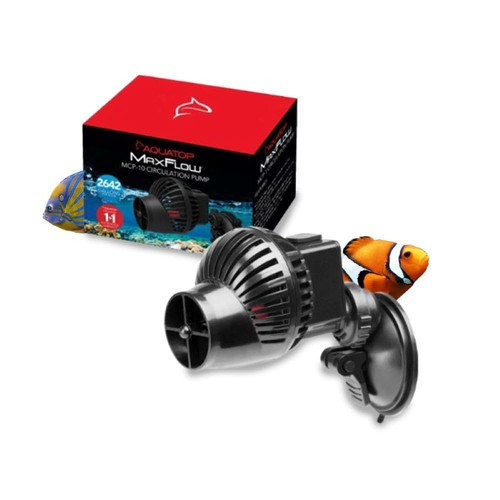
- Aquatop MaxFlow MCP-10 Aquarium Circulation Pump 2,642 GPH — the high-capacity option for large tanks
- Aquatop MaxFlow MCP-1 Aquarium Circulation Pump 660 GPH — the compact pick for small to medium tanks
- Aqueon Circulation Pump 700 — the best-known brand for reliability
- Aqueon Circulation Pump 500 — the entry-level brand-name option
How to Match a Circulation Pump to Your Aquarium
Start by calculating the total water volume of your tank and consider the types of plants and livestock you keep. Most planted tanks benefit from a turnover rate of 5-10x per hour; for example, a 40-gallon aquarium typically needs 200–400 GPH of gentle, distributed flow. Too much current can stress fish and uproot plants, while too little allows detritus to accumulate. Placement also matters: pumps with adjustable heads or compact footprints are easier to position for optimal water movement without rearranging your aquascape. For more detail, see Aquarium water movement and circulation.
Comparison Table: Aquarium Circulation Pumps
| Product | Condition | Price | Best For | Flow Rate (GPH) | Tank Size Guidance |
|---|---|---|---|---|---|
 Aquatop MaxFlow MCP-10 Aquarium Circulation Pump 2,642 GPH Aquatop MaxFlow MCP-10 Aquarium Circulation Pump 2,642 GPH |
New | $$$ | High-capacity option for large tanks | 2,642 | 100+ gallons |
 Aquatop MaxFlow MCP-1 Aquarium Circulation Pump 660 GPH Aquatop MaxFlow MCP-1 Aquarium Circulation Pump 660 GPH |
New | $$$ | Compact pick for small to medium tanks | 660 | 20–55 gallons |
 Aqueon Circulation Pump 700 Aqueon Circulation Pump 700 |
New | $$ | Best-known brand for reliability | 700 | 20–55 gallons |
 Aqueon Circulation Pump 500 Aqueon Circulation Pump 500 |
New | $$ | Entry-level brand-name option | 500 | 10–40 gallons |
 Aquaneat Circulation Pump 480 GPH Aquaneat Circulation Pump 480 GPH |
New | $ | Budget pick for small tanks | 480 | 10–30 gallons |
 Aquaneat Circulation Pump 800 GPH Aquaneat Circulation Pump 800 GPH |
New | $ | Budget pick for medium tanks | 800 | 30–55 gallons |
Price tiers ($/$$/$$$) read across this comparison only — they mark each product’s relative position from cheapest to priciest in the set. Actual prices live below.
How the Top Circulation Pumps Compare for Planted Tanks
Choosing between these models comes down to tank size, desired flow, and budget. For high-tech, heavily planted setups or tanks over 100 gallons, the Aquatop MaxFlow MCP-10 Aquarium Circulation Pump 2,642 GPH stands out. Its 2,642 GPH rating provides ample turnover for even the most demanding aquascapes, but it’s overkill for anything under 75 gallons and occupies a premium price tier. This is the type of pump you’d deploy in a 6-foot tank, large cichlid display, or a high-bioload planted system where debris needs to be kept in suspension for efficient filtration. The trade-off is size—it takes up more space than any other option here, so plan your scape accordingly.
For most home aquarists with tanks between 20 and 55 gallons, the Aquatop MaxFlow MCP-1 Aquarium Circulation Pump 660 GPH and Aqueon Circulation Pump 700 sit at the sweet spot for flow and flexibility. The MCP-1 commands a higher price, reflecting its robust build and compact design—useful for tanks with intricate hardscape or limited mounting space. The Aqueon 700, meanwhile, is widely known for reliability and easy mounting, with a slightly broader output that helps distribute flow more gently across planted layouts. Both are a match for aquascapes where you want to keep CO2 and nutrients distributed without blasting stems or carpeting plants out of place.
The Aqueon Circulation Pump 500 serves as an entry-level, brand-name solution for smaller tanks (10–40 gallons). It offers a safe, moderate flow that won’t overpower nano or community setups, and it’s a straightforward upgrade if you’re already using Aqueon gear. However, if you’re working with a tight budget, the Aquaneat Circulation Pump 480 GPH delivers similar flow rates at a lower price point. The main trade-off is long-term durability and support—Aqueon’s warranty and service network are more established, while Aquaneat leans on affordability and simplicity.
For medium tanks up to 55 gallons where budget is the main concern, the Aquaneat Circulation Pump 800 GPH is the standout. At 800 GPH, it gives a healthy turnover rate for most planted tanks in this size range. Its no-frills design means you’re getting maximum flow for the dollar, but you won’t find extras like variable speed or advanced mounting hardware. This is the right pick if you want strong circulation without a premium price tag, and you’re comfortable with basic, functional gear.
Related Guides
- Best Liquid Aquarium Test Kits: What to Know Before You Buy
- How to Choose an Aquarium Stand With Fish Tank: A Complete Guide
- Aquarium Cooling Fans That Actually Work: A No-Nonsense Guide
- The Best Aquarium CO2 Regulators, Reviewed for Planted Tanks
- Root Tabs for Aquarium Plants That Actually Work
- The Best Hang-On-Back Aquarium Filters, Reviewed and Compared
- Browse all Filtration Systems →
Which Pump Is Right for Your Setup?
For tanks under 30 gallons, the Aquaneat 480 GPH or Aqueon 500 both deliver gentle, effective flow. Go with the Aquaneat if cost is the top factor, or the Aqueon if you want a brand name and broader retail support. In the 30–55 gallon range, the Aquatop MCP-1, Aqueon 700, and Aquaneat 800 GPH all fit, with the Aquatop offering the most compact premium build, the Aqueon prioritizing reliability, and the Aquaneat maximizing flow per dollar. For tanks above 75 gallons or for reef-style planted displays, the Aquatop MCP-10 is the only model here with the output to match.
Consider your livestock as well: delicate fish like bettas or small tetras can be stressed by high, focused flow, while goldfish, hillstream loaches, and large cichlids typically benefit from more robust currents. For planted tanks, diffuse flow is usually best—position your pump so that it creates a gentle, circular movement rather than a single jet, and use hardscape or plants to break up any strong streams.
Mounting, Noise, and Maintenance: What You Should Know
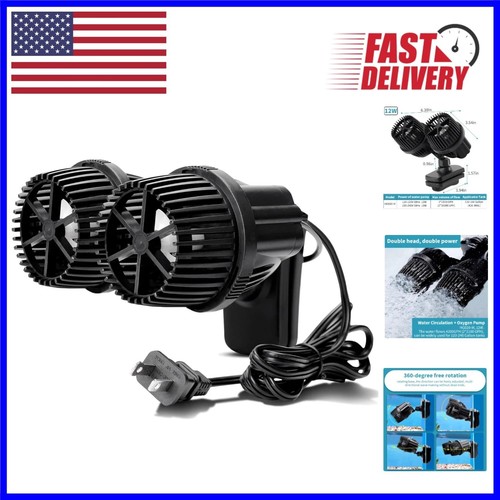
Most pumps in this list use suction cups or magnetic mounts. The Aquatop models generally have sturdy mounting hardware, but always check the tank glass thickness—magnetic clamps may not work well on extra-thick panels. Suction cups (like those on the Aquaneat models) are simple but can lose grip over time, especially in tanks with algae buildup or rough cleaning. Noise is rarely an issue at these flow rates, but if your tank is in a living space, prioritize models with a reputation for quiet running (the Aqueon line is known for this). For all pumps, routine cleaning of the impeller and intake is essential—plan to remove and rinse these parts every few weeks to maintain optimal flow and longevity.
Frequently Asked Questions: Aquarium Circulation Pumps
How much flow do I need for a planted tank?
Aim for a total turnover of 5–10 times your tank volume per hour. For a 30-gallon aquarium, this means a pump rated between 150 and 300 GPH. If you’re running a heavily planted, high-tech tank with CO2 injection, err on the higher end for better nutrient distribution, but avoid blasting plants with direct current.
Can I use more than one circulation pump in a tank?
Yes. Using multiple smaller pumps is often more effective than a single large one, especially in tanks with complex hardscape or dense planting. This allows you to eliminate dead spots and tailor the flow to different areas of the tank, which is ideal for aquascapes with varied plant and fish needs.
Are these pumps safe for shrimp and small fish?
Most pumps have intake guards, but small shrimp and fry can still be at risk if the intake is exposed. Consider adding a pre-filter sponge to the intake of pumps like the Aquaneat 480 GPH or Aqueon 500 to prevent livestock from being drawn in. Always check for gaps or sharp edges before introducing the pump to a shrimp or fry tank.
How do I reduce noise from a circulation pump?
Vibration and air bubbles are the most common culprits. Make sure the pump is fully submerged and mounted securely. If you notice rattling, check for debris in the impeller or reposition the pump so it’s not touching hard surfaces that can transmit vibrations to the tank or stand.
What’s the difference between a circulation pump and a powerhead?
Circulation pumps are designed to create broad, diffuse flow, while powerheads typically produce a more focused jet. For planted tanks, circulation pumps are usually preferred because they move water gently across the whole tank, improving CO2 and nutrient distribution without disturbing plants or substrate.
How often should I clean my circulation pump?
Plan to clean the impeller and intake every 2–4 weeks, depending on your tank’s bioload and plant density. Debris and algae buildup can significantly reduce pump performance and lifespan. Always unplug the pump before maintenance and follow the manufacturer’s instructions for disassembly and cleaning.
Final Thoughts: Getting the Best Value from Your Circulation Pump
The right circulation pump keeps your planted aquarium healthy, your water clear, and your fish active—all without blowing your budget or wrecking your aquascape. Start with your tank size and flow needs, then weigh brand reputation, mounting options, and price. For most hobbyists, the Aqueon and Aquaneat models offer the best value at their respective price points, while the Aquatop line covers premium needs. Choose the model that matches your setup, and you’ll avoid common mistakes like over-circulation or dead zones—setting your tank up for long-term success.
Last updated: May 2026 · How we put guides together